
 Eng
Eng  English
 русский
 عربى
عربىCutting fluid pump performance is not usually the thing operators discuss when surface quality starts changing.
In many workshops, the initial suspicion falls on the cutting tool. Someone checks insert wear. Another reviews spindle settings. Feed rates and cutting speeds are examined again.
Yet experienced machinists know that surface finish problems do not always begin at the cutting edge.
Sometimes the clue appears in the coolant system.
The Parts May Look Nice
A common situation occurs during longer production runs.
The batch of components leaves the machine with a clean surface finish. Dimensions remain stable, and everything appears normal.
Several hours later, operators begin noticing subtle differences.
The material still meets specifications, but the surface no longer looks exactly the same. Fine marks become more visible. Heat discoloration may appear in certain areas. Tool life may start changing unexpectedly.
At this stage, some technicians begin checking whether the cutting fluid pump is delivering coolant as consistently as it was earlier in the shift.
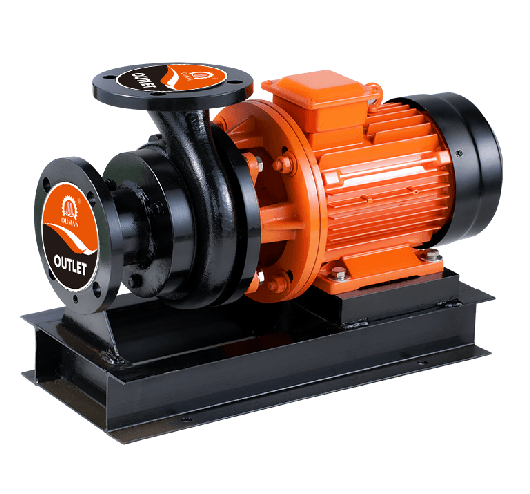
Coolant Flow Is About More Than Cooling
Many people associate cutting fluid primarily with temperature control.
In reality, coolant performs several tasks at the same time.
It helps carry heat away from the cutting zone, assists chip evacuation, and reduces the chance of material remaining where it should not.
When a cutting fluid pump delivers uneven flow, the effect may not be immediately obvious. The machine continues running. The tool continues cutting.
However, small changes near the cutting zone can gradually influence machining results over time.
Chips Often Tell The Story
Experienced operators frequently pay attention to chips before inspecting finished parts.
Why?
Because chip behavior often changes before visible quality issues appear.
When coolant circulation becomes less effective, chips may begin accumulating in areas that normally stay clear. Certain materials become more likely to produce chip clusters around the cutting area.
In some workshops, unusual chip movement prompts an inspection of the cutting fluid pump long before anyone notices a problem on the finished component.
The chips become an early warning signal.
Long Production Cycles Reveal Small Changes
Short machining jobs do not always expose coolant-related issues.
Extended production runs are different.
A cutting fluid pump may operate for hours while handling fluid that contains fine metal particles, varying temperatures, and continuous circulation demands. Small fluctuations that seem insignificant at first can become more noticeable as operating time increases.
This is one reason maintenance teams often review coolant systems during routine machine inspections, even when no obvious failure has occurred.
Operators Often Listen Before They Measure
An interesting habit among experienced machinists is how much attention they pay to sound.
A change in coolant flow may create subtle differences in machine behavior. The sound near the cutting area may shift. Fluid returning to the tank may appear different. Splash patterns may not look exactly as they did earlier.
These observations are rarely recorded on a specification sheet.
Yet they often influence when an operator decides to inspect a cutting fluid pump or the surrounding coolant system.
In many cases, the machine starts communicating before the finished part does.
Surface Quality Is Usually A System Result
When machining quality changes, it is tempting to focus on a single component.
Reality is often more complicated.
Tool condition, material properties, machine stability, coolant delivery, and operating conditions all interact with one another. The finished surface reflects the behavior of the entire process rather than one individual part.
That is why discussions about a cutting fluid pump often arise during troubleshooting sessions. The pump may not always be the source of the issue, but coolant circulation remains one of the factors experienced technicians evaluate early.
Sometimes a small change in fluid delivery explains a larger change in machining results. And in production environments, those details rarely stay hidden for long.