
 Eng
Eng  English
 русский
 عربى
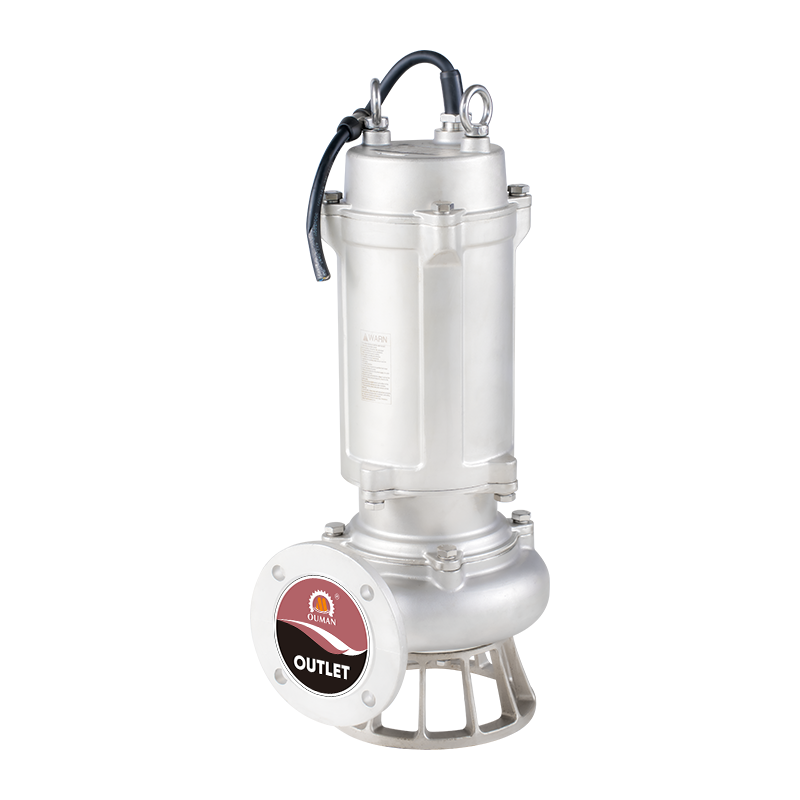
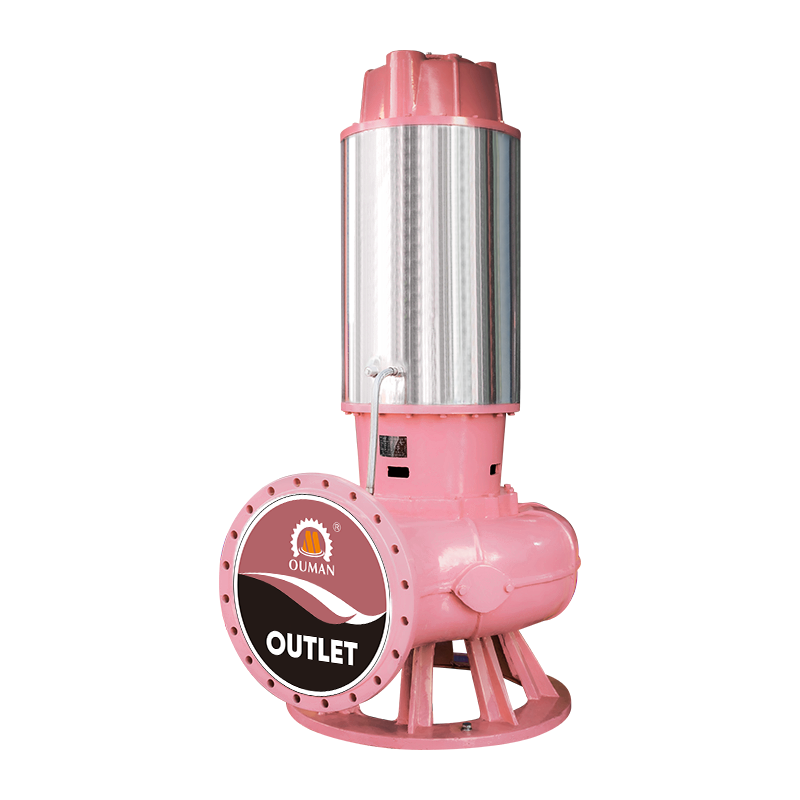
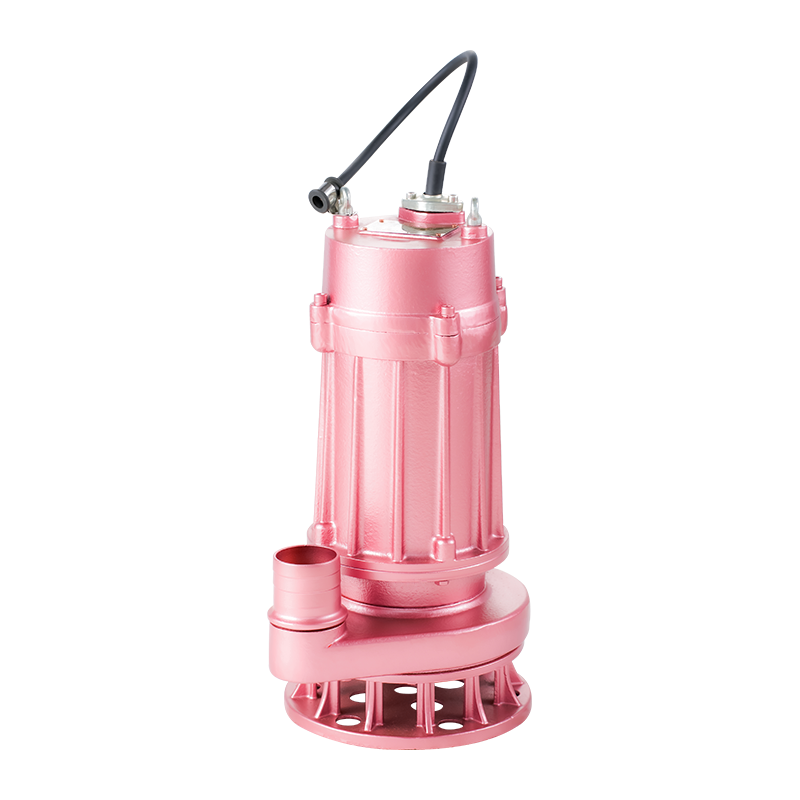
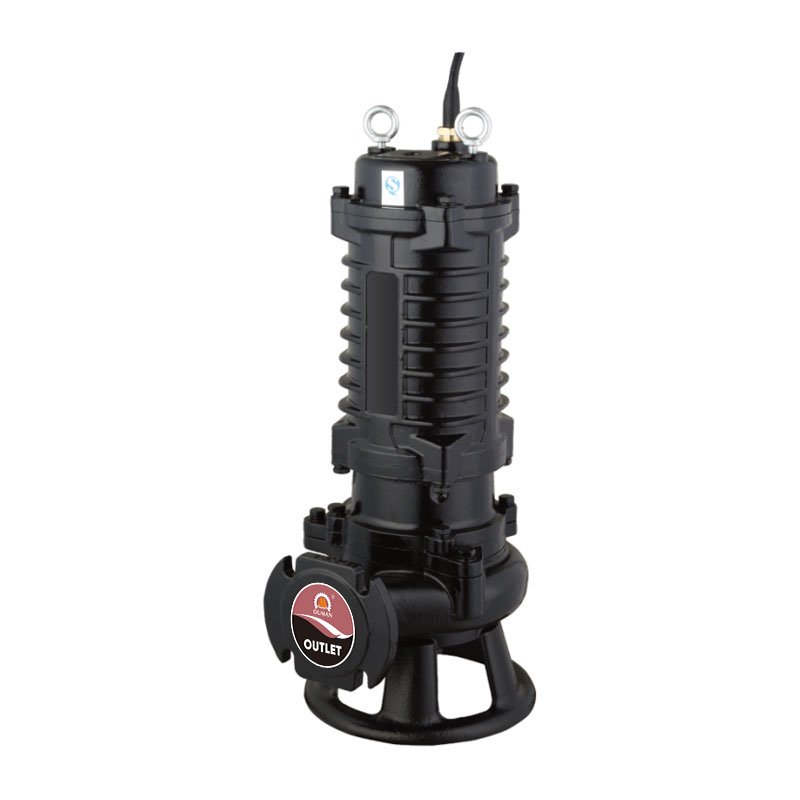
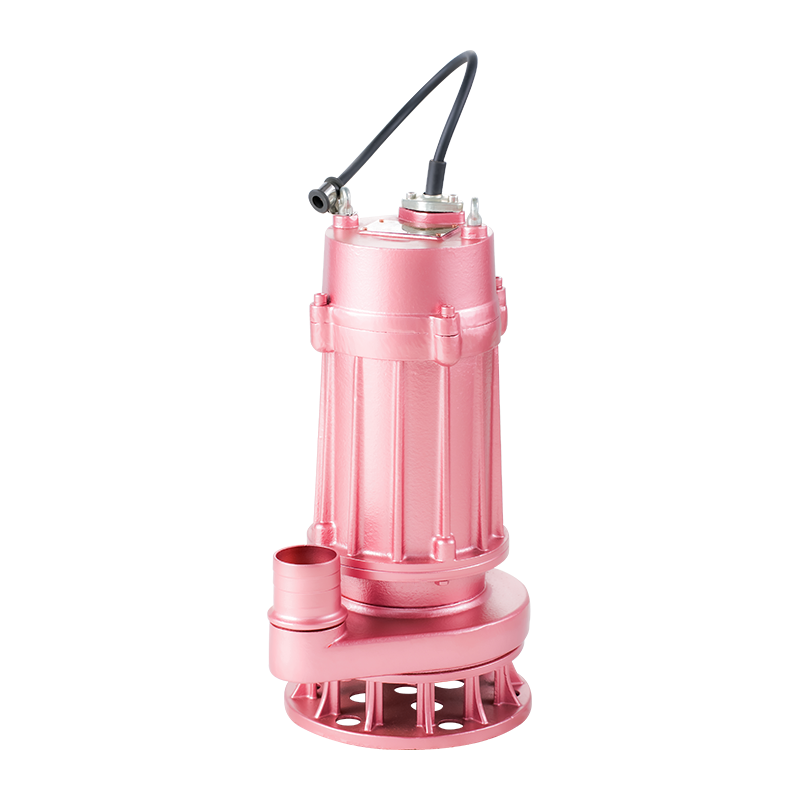
عربىThe stainless steel submersible pump is increasingly appearing in fluid handling systems where long-term submersion and material stability are required. In many industrial layouts, the stainless steel submersible pump is installed directly inside tanks, wells, or collection pits, where continuous contact with water or mixed fluids is unavoidable.
In recent project configurations, the stainless steel submersible pump is not only used for basic drainage, but also for environments where corrosion risk, fluid variation, and intermittent operation are all present in the same system.
Unlike traditional pump materials, the stainless steel submersible pump is selected when operating conditions cannot remain constant over time.
Operating environments and fluid conditions
In field applications, the stainless steel submersible pump is often placed in environments where water composition is not stable. These include groundwater systems, rainwater collection pits, wastewater pits, and industrial liquid transfer points.
The stainless steel submersible pump performs in submerged conditions where oxygen exposure, sediment presence, and chemical variation may occur simultaneously. This combination is what differentiates it from standard surface pump installations.
Material behavior in submerged operation
A stainless steel submersible pump is designed for continuous contact with liquid media. In real installations, it is often exposed to chlorides, minerals, and temperature changes that influence long-term performance behavior.
The stainless steel submersible pump structure typically includes wetted components such as casing, impeller, and shaft sections, all operating under constant immersion conditions. This reduces exposure fluctuation but increases material demand over time.
Typical application breakdown
|
Application environment |
Fluid condition |
Operating behavior |
Role of stainless steel submersible pump |
|
Groundwater wells |
Low sediment, variable minerals |
Continuous or intermittent pumping |
Stable deep-water lifting |
|
Industrial pits |
Mixed chemical wastewater |
Irregular discharge cycles |
Corrosion exposure control |
|
Construction sites |
Mud, sand, rainwater mix |
High debris fluctuation |
Drainage under unstable load |
|
Coastal installations |
Saline water |
Continuous corrosion stress |
Chloride resistance operation |
|
Municipal systems |
Sewage and runoff |
Cyclic operation |
Long-term submerged drainage |
In all these scenarios, the stainless steel submersible pump operates under different stress combinations rather than a single fixed condition.
Installation and system integration
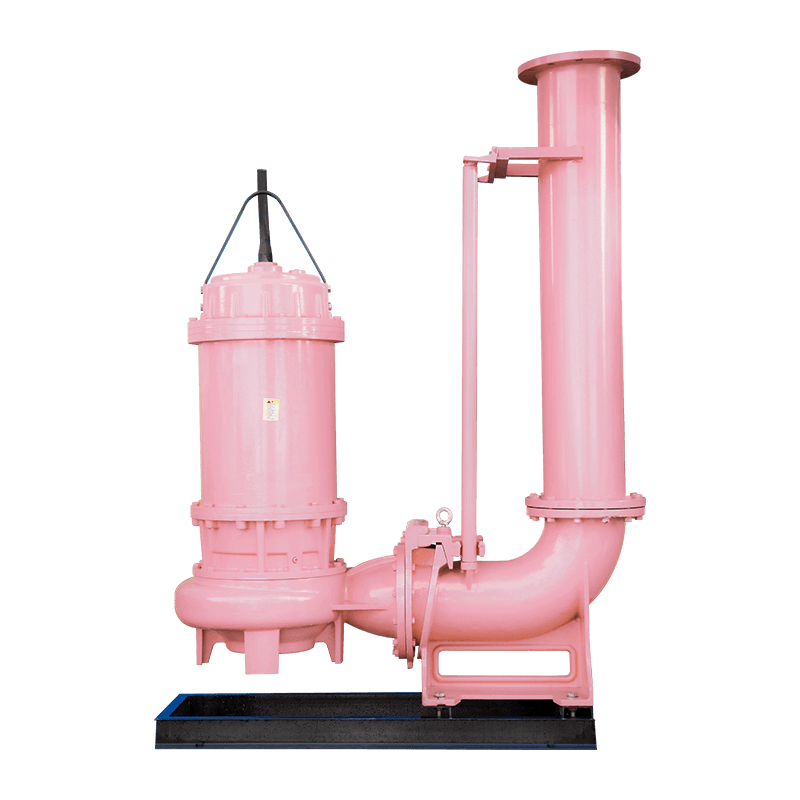
The stainless steel submersible pump is typically installed directly into liquid storage zones without requiring additional pump rooms. This configuration reduces external piping complexity and allows the pump to operate closer to the fluid source.
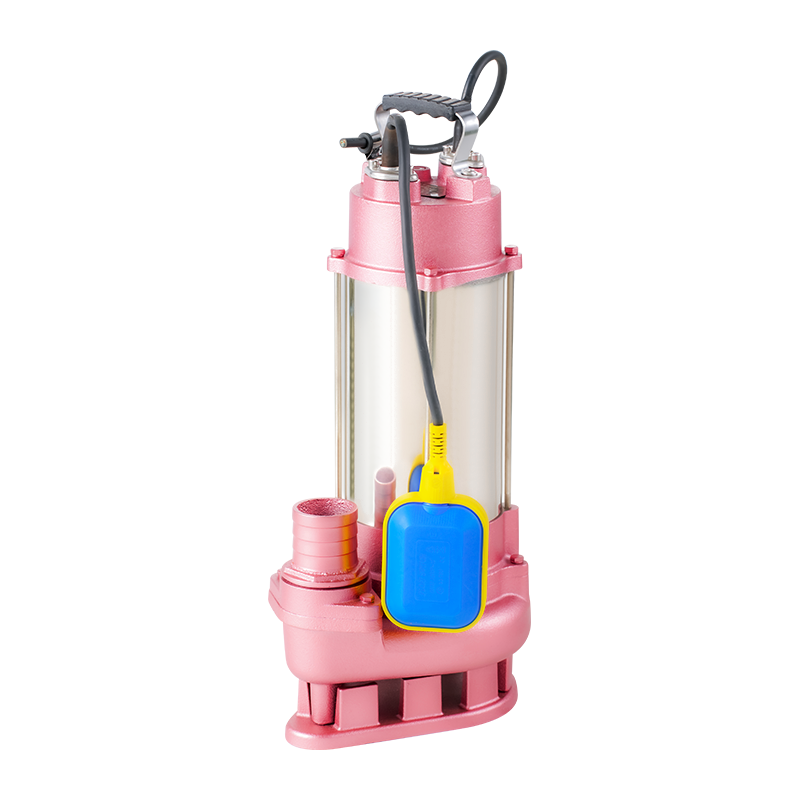
In system integration, the stainless steel submersible pump is often connected with level control systems or automated switching devices. These configurations allow operation based on liquid height rather than manual activation.
Operational behavior over time
During long-term use, the stainless steel submersible pump does not operate in a uniform cycle pattern. Instead, it reacts to system demand, which may vary daily depending on inflow and discharge conditions.
In some installations, the stainless steel submersible pump runs continuously during high inflow periods, while in others it remains idle for long intervals before reactivation.
The operational pattern is therefore defined by system demand rather than fixed scheduling.
Material selection logic in real systems
In engineering practice, the stainless steel submersible pump is selected when multiple conditions overlap, rather than when a single factor dominates. These may include corrosion exposure, submerged operation depth, and inconsistent fluid composition.
The stainless steel submersible pump becomes part of system planning where long-term maintenance reduction and operational stability are prioritized in unstable environments.