
 Eng
Eng  English
 русский
 عربى
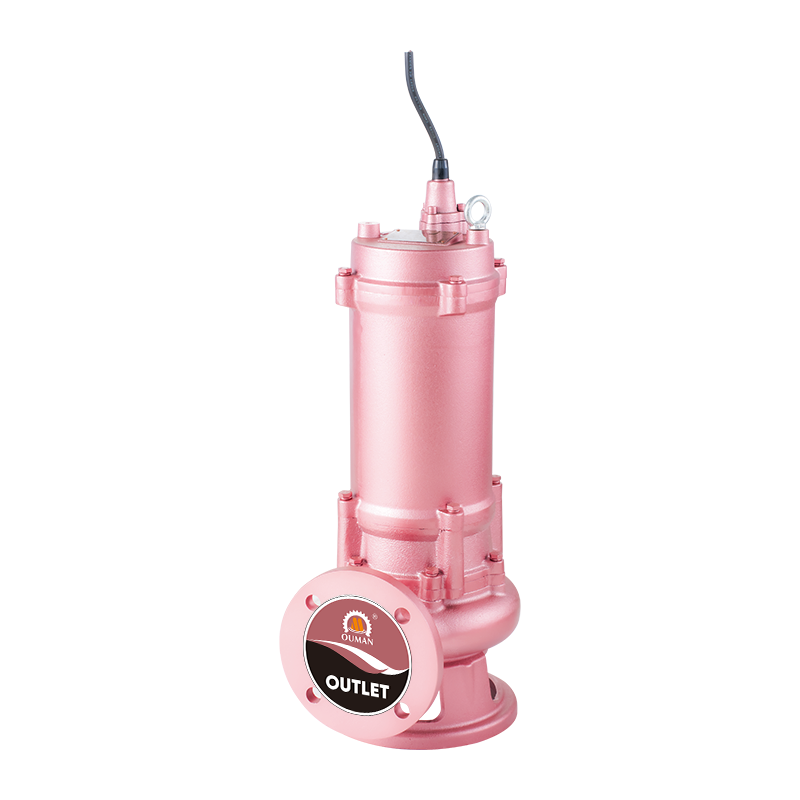
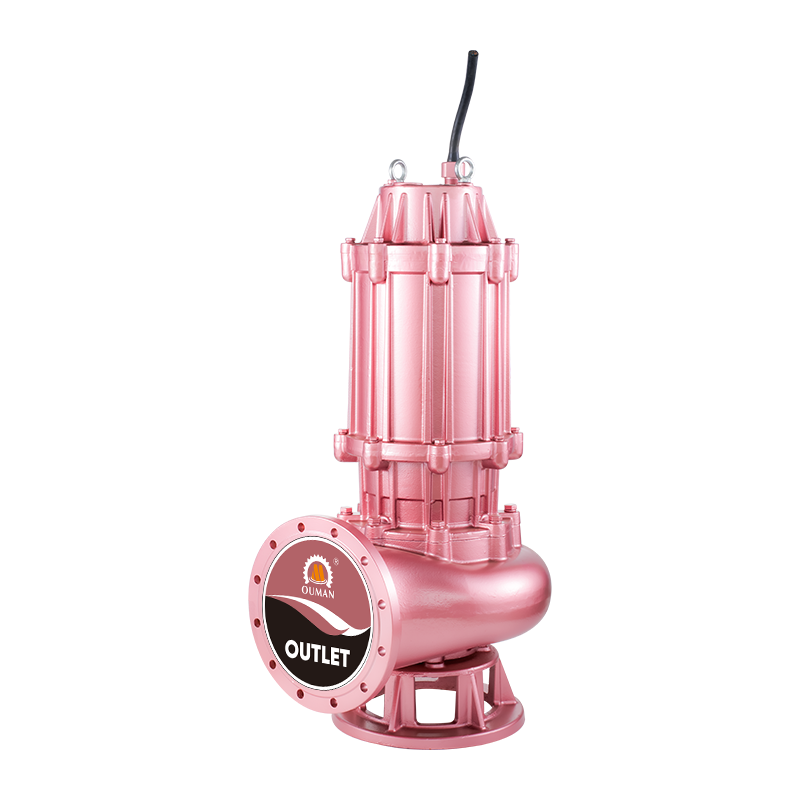
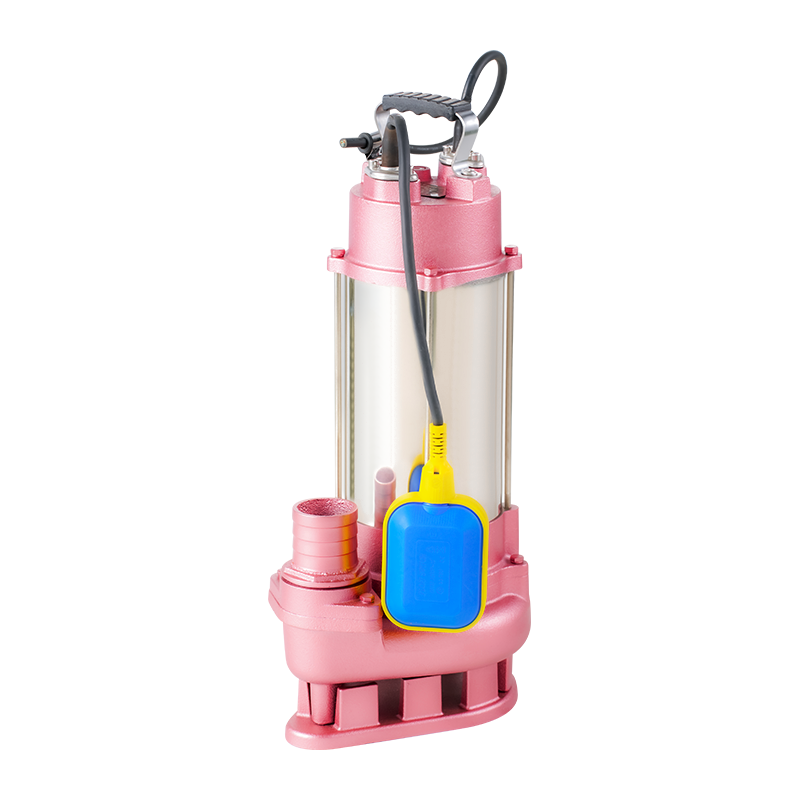
عربىA submersible pump for seawater works in one of the more demanding environments in water handling. Unlike ordinary water applications, seawater contains salt and other elements that can gradually affect metal components, seals, and internal structures. Because of this, pump design for marine environments requires more consideration than simply providing water movement.
From coastal projects to aquaculture systems and other marine-related applications, the working environment often determines the design requirements before production even begins.
Seawater Changes The Design Approach
Freshwater and seawater create different challenges.
Salt content increases the risk of corrosion.
Continuous immersion places pressure on sealing structures.
Outdoor marine environments add humidity and temperature changes.
For a submersible pump for sea water, these conditions influence decisions about materials, motor protection, and internal construction.
A pump that performs well in normal water may require additional consideration before being used in a marine environment.
Submerged condition and material exposure
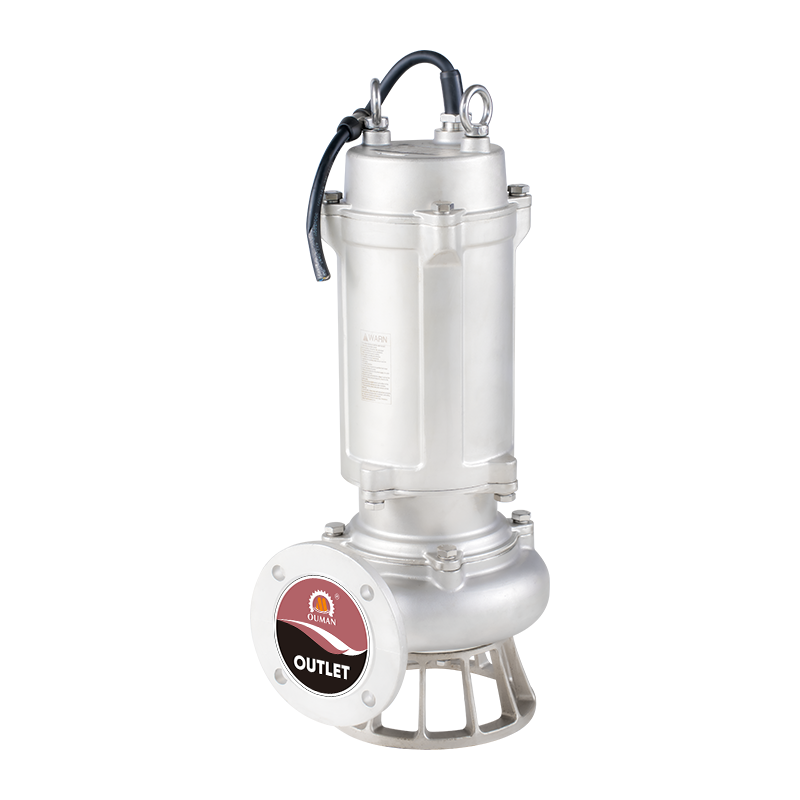
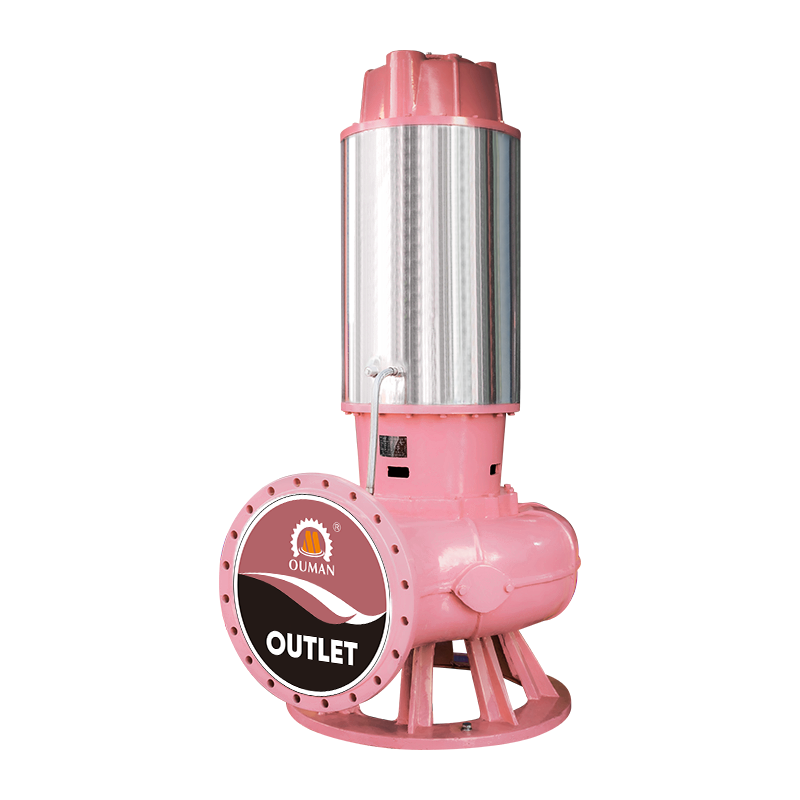
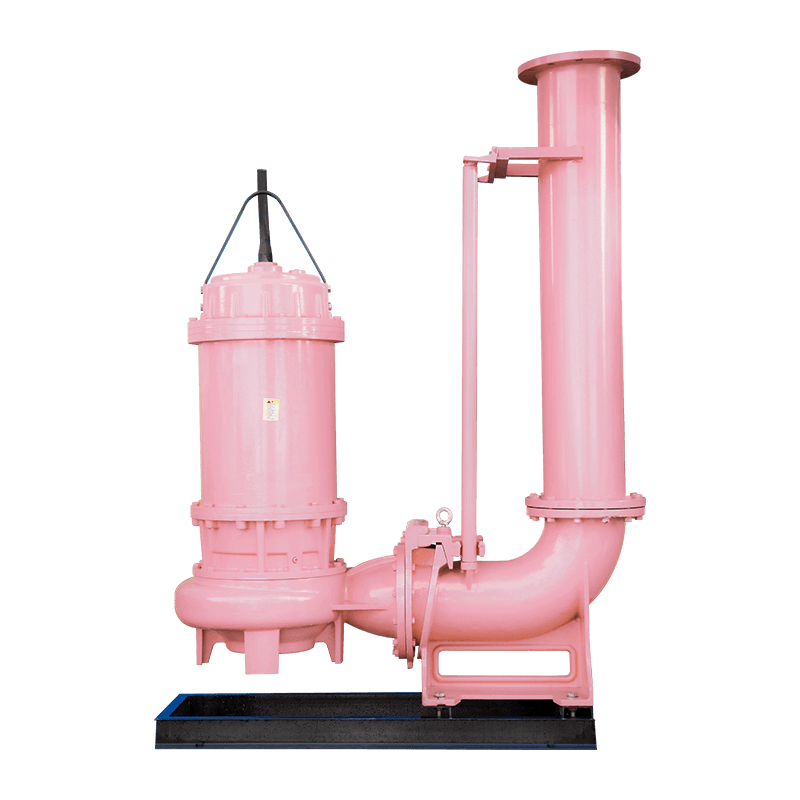
The stainless steel submersible pump is often installed in environments where it remains underwater for long periods. In wastewater pits or mixed fluid tanks, it stays in contact with changing liquid conditions without interruption.
In corrosion-sensitive applications, it is categorized under corrosion-resistant water pump systems, although actual exposure varies depending on how often the system activates.
Some installations show long idle submerged periods where the stainless steel submersible pump is physically in liquid but not operating.
Corrosion Protection Starts Inside The Pump
Many users notice the external housing, but corrosion resistance involves more than the outside surface.
Internal parts also contact water during operation.
The shaft.
The impeller.
The sealing area.
These components need suitable protection because they directly influence long-term operation.
Manufacturers working on seawater pump solutions often consider corrosion-resistant materials and protective structures to reduce the impact of saltwater exposure.
Sealing Structure Supports Underwater Operation
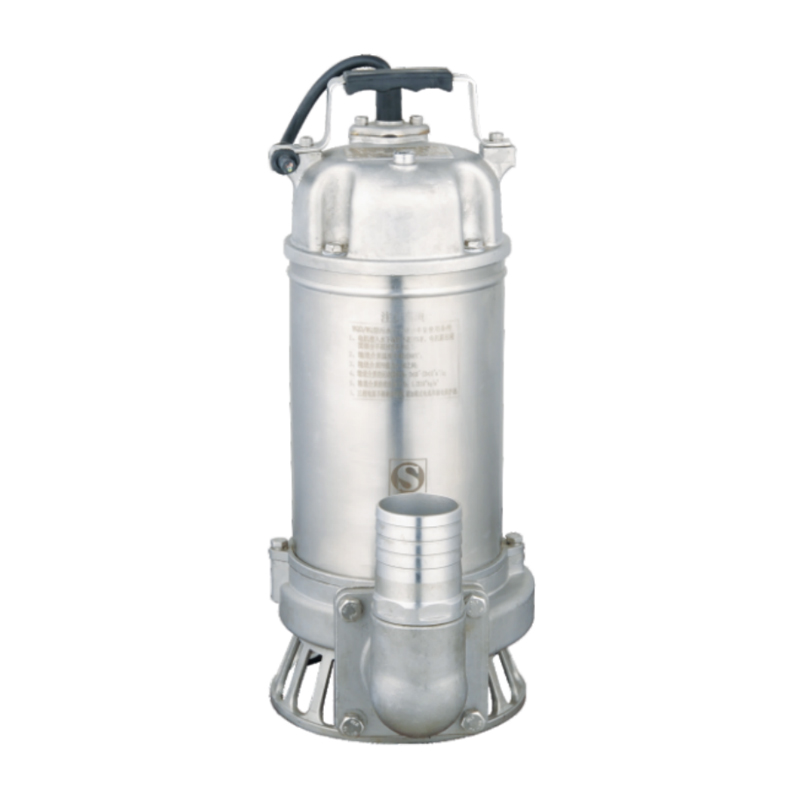
A submersible pump operates while surrounded by water, which creates different requirements compared with surface-mounted equipment.
The motor area needs protection.
Electrical parts need isolation.
The internal structure needs to prevent unwanted water entry.
For a submersible pump for sea water, the sealing design becomes one of the important parts of the overall structure.
A suitable sealing system helps the pump maintain normal operation during continuous underwater use.
Hydraulic Parts Need Practical Design
Water movement depends on more than motor power.
The impeller design.
The internal flow path.
The relationship between different components.
All influence how water passes through the pump.
In seawater applications, engineers also consider possible particles or changing operating conditions.
A balanced hydraulic structure helps the pump handle real working environments instead of only ideal test conditions.
Production Details Influence Final Performance
Marine equipment often faces long operating periods, which means small manufacturing details can become important over time.
During production, teams usually pay attention to areas such as:
component assembly accuracy
sealing installation
surface condition
operating test results
These steps help identify possible issues before the equipment enters actual application environments.
For a submersible pump for sea water, production experience plays an important role because marine conditions leave less room for unexpected problems.
Different Applications Create Different Requirements
Seawater pumps are used in various fields.
Coastal water systems.
Aquaculture facilities.
Marine equipment.
Industrial water handling.
Each application may have different flow, installation, and operation requirements.
Because of this, pump design often needs to consider the actual working environment instead of following one fixed solution.
Marine Pump Design Follows Environmental Demands
The development of a submersible pump for sea water reflects how equipment design changes according to application conditions.
The challenge is not only moving water.
It is creating a system that can continue working when exposed to saltwater, moisture, and long-term underwater conditions.
From corrosion-resistant structures to sealing methods and hydraulic design, every part contributes to the final performance.
For pump manufacturers, understanding seawater conditions is the foundation for developing equipment suitable for marine applications.