
 Eng
Eng  English
 русский
 عربى
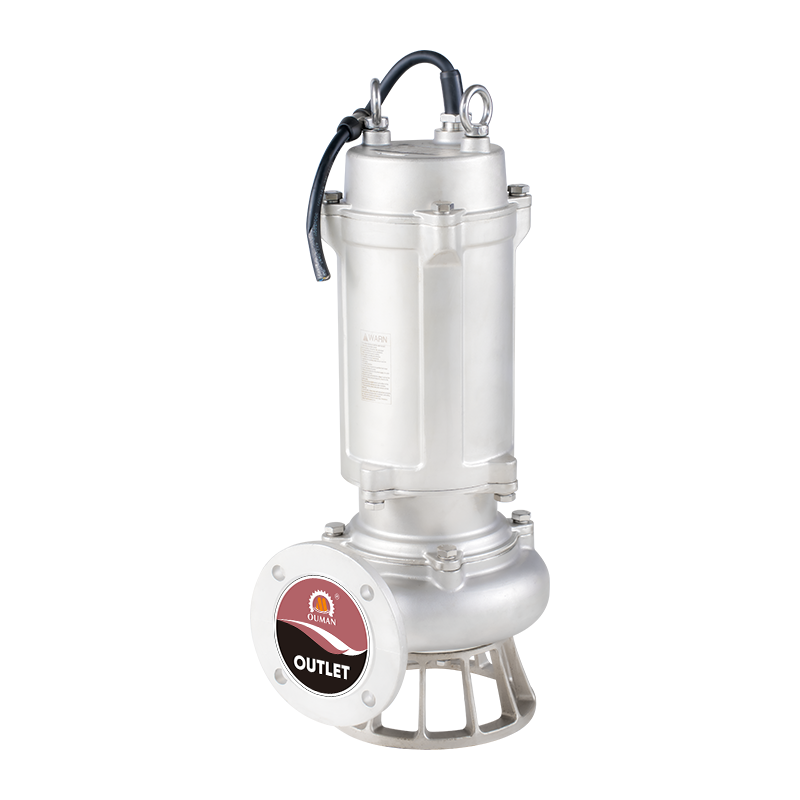
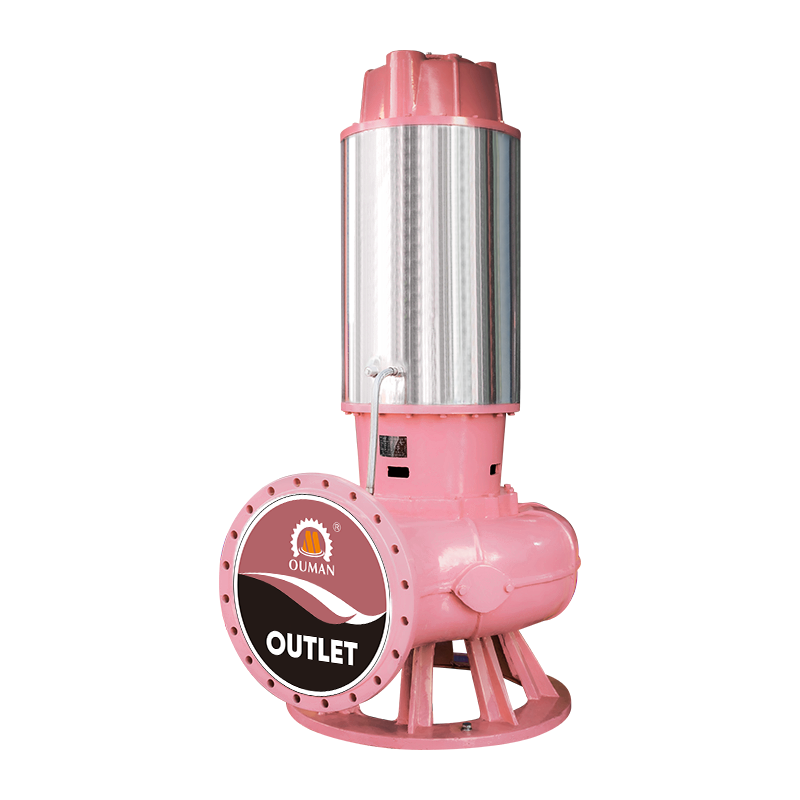
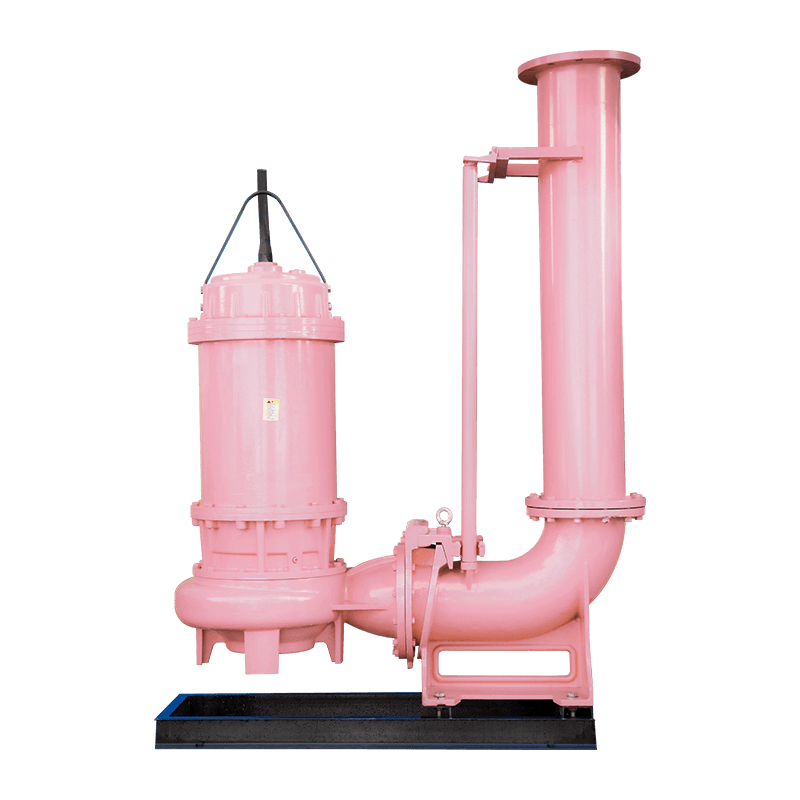
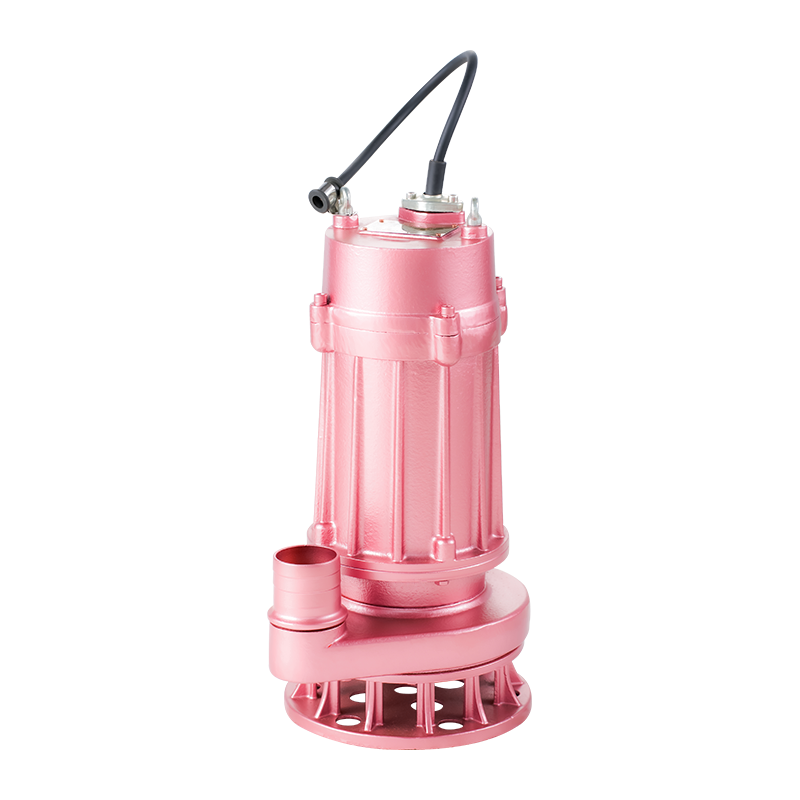
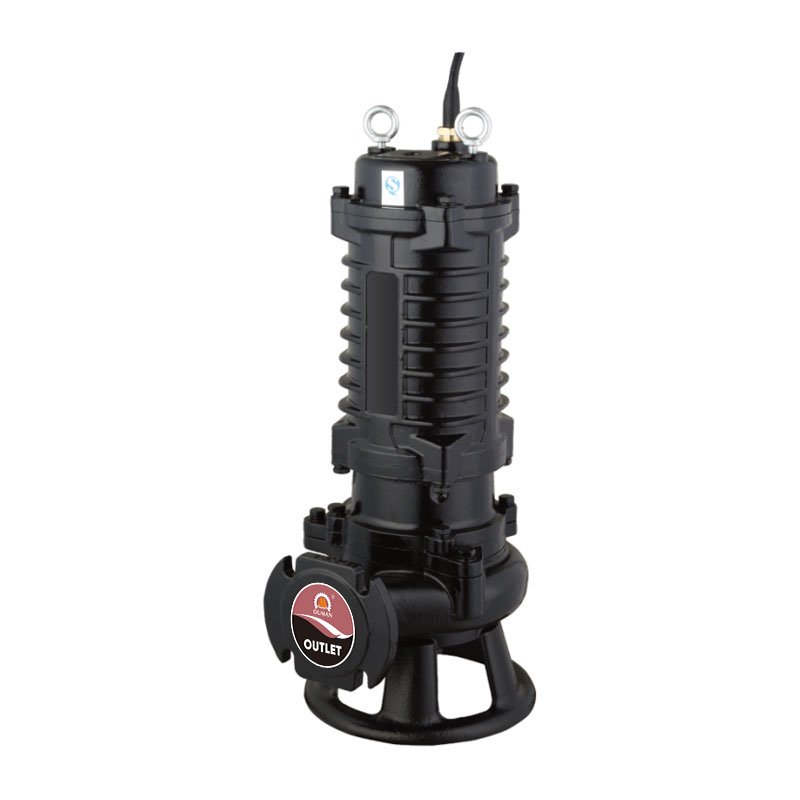
عربىIn recent municipal and industrial drainage updates, the stainless steel submersible sewage pump has been listed in multiple system revisions where underground wastewater handling is required. Some documents reference it directly in pump station layouts, while others only mention it in equipment grouping tables without a detailed description.
On-site installation records show that the stainless steel submersible sewage pump is often placed inside wet wells or sealed pits where water level changes are not constant. In some cases, it is already installed but not activated until inflow reaches a certain threshold.
There are also projects where the same stainless steel submersible sewage pump appears in both temporary drainage setups and permanent wastewater systems, depending on how the site is expanded over time.
Installation conditions in field systems
In practical engineering layouts, the stainless steel submersible sewage pump is not always positioned in a uniform way. Some stations place it at the lower collection point, while others install it slightly offset depending on sediment flow direction.
In deeper sewage pits, the equipment is sometimes treated as part of a stainless steel deep well pump configuration, especially when vertical lifting height becomes more relevant than discharge frequency. In surface drainage structures, the stainless steel submersible sewage pump behaves more like a standard submersible drainage pump responding to irregular inflow.
These differences are not always reflected in final drawings, but appear in construction adjustment notes.
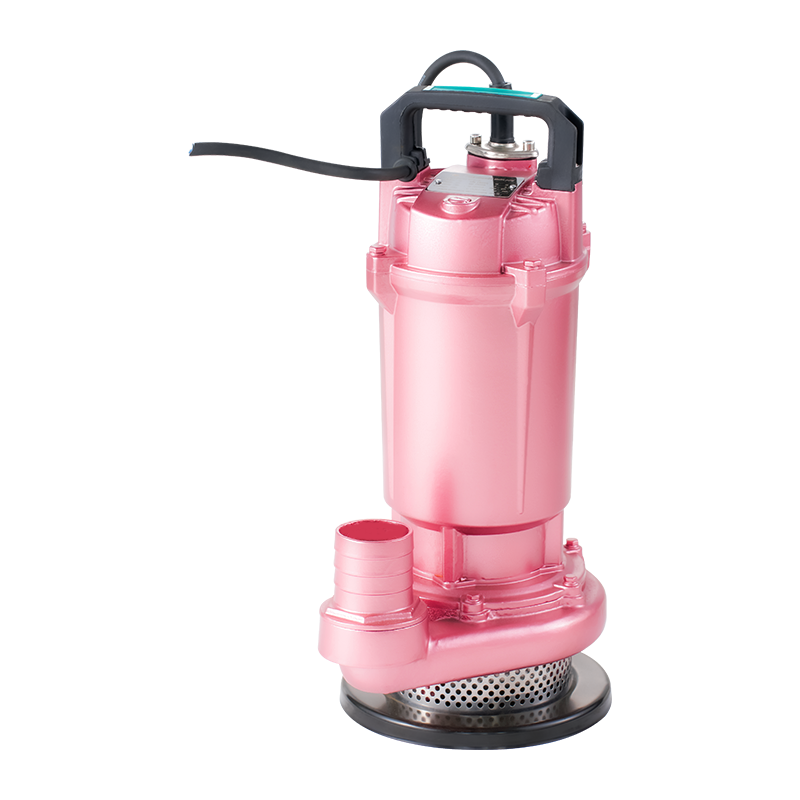
Operation timing and real system behavior
Field logs from drainage systems show that the stainless steel submersible sewage pump does not follow a fixed activation rhythm. Some units run multiple times during heavy inflow periods, while others remain inactive for long cycles when water levels stay stable.
In rainfall-driven systems, the stainless steel submersible sewage pump is triggered more frequently, sometimes in short repeated cycles. In industrial wastewater tanks, activation depends more on sensor thresholds and internal storage conditions.
There are also cases where the operation is intermittent enough that only brief activation records appear in monitoring logs.
Material and submerged condition exposure
The stainless steel submersible sewage pump operates fully submerged in wastewater environments where liquid composition is not constant. In mixed sewage pits, the pump casing is exposed to suspended particles and varying water quality over long periods.
In corrosion-sensitive systems, it is categorized under corrosion-resistant water pump systems, although actual exposure depends on how frequently the system switches between active and idle states.
Some installations show long idle submerged conditions where the stainless steel submersible sewage pump remains in liquid without continuous operation.
System control and multi-pump layout
Modern drainage stations rarely rely on a single unit. In many configurations, multiple pumps are installed in parallel, and the stainless steel submersible sewage pump operates in rotation with other units depending on load conditions.
Control panels, float switches, and level sensors determine when each stainless steel submersible sewage pump starts or stops. In some systems, only one unit operates while others remain on standby until flow increases.
This switching pattern is not always visible from external system design drawings.
Field maintenance observations
Maintenance records sometimes note that the stainless steel submersible sewage pump behaves differently when switching between dry-start and continuous wet operation cycles. These differences are usually observed over time rather than immediately after installation.
In deeper sewage systems, installation depth adjustments across seasons can also affect how often the stainless steel submersible sewage pump is triggered during different periods of the year.
Deployment across infrastructure projects
Across municipal drainage, industrial wastewater handling, and temporary construction dewatering systems, the stainless steel submersible sewage pump appears in updated project lists where submerged operation and variable flow conditions coexist.
In many of these cases, the stainless steel submersible sewage pump is not treated as a fixed-capacity device but as part of a responsive drainage network where operating frequency depends entirely on site conditions.