
 Eng
Eng  English
 русский
 عربى
عربىManufacturing Approach For Commercial Ejector Pump Systems
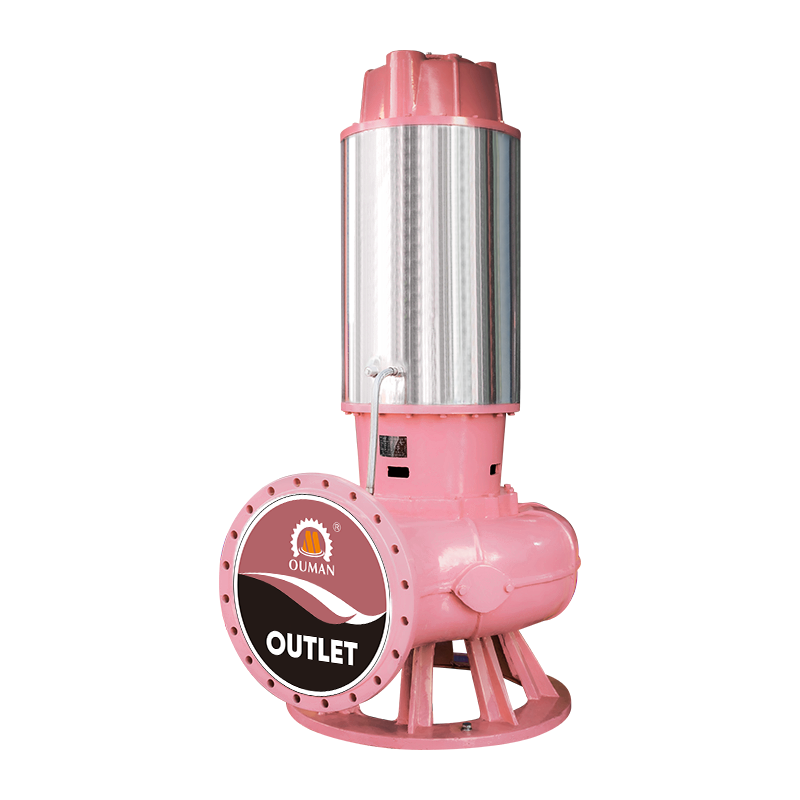
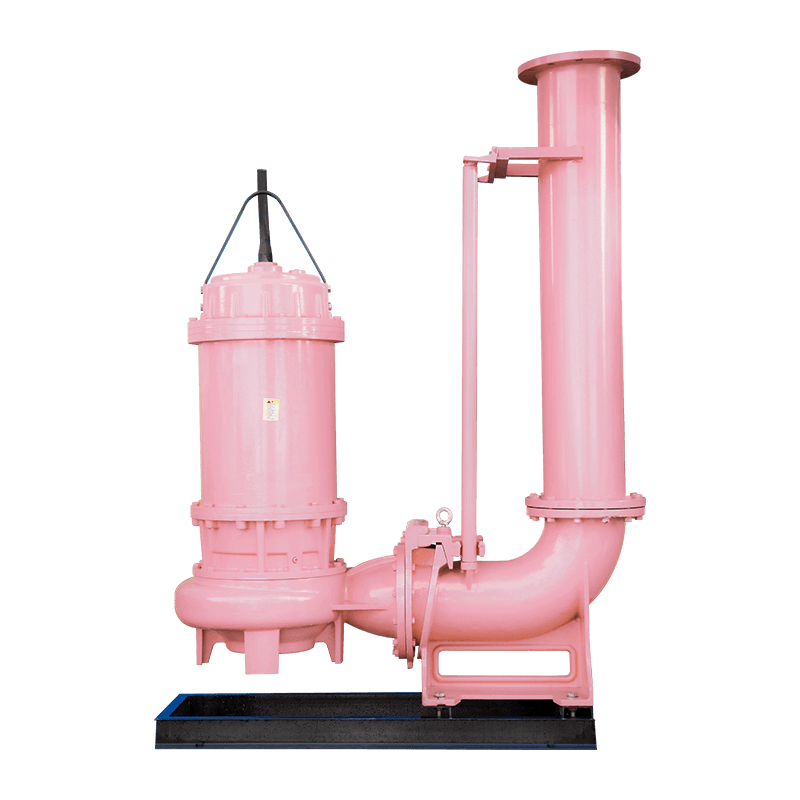
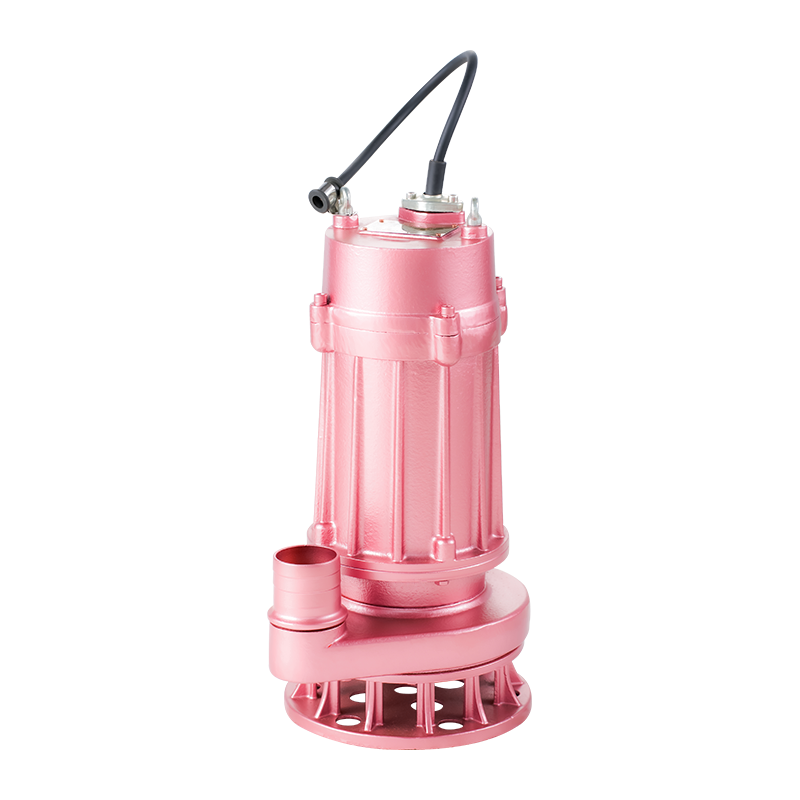
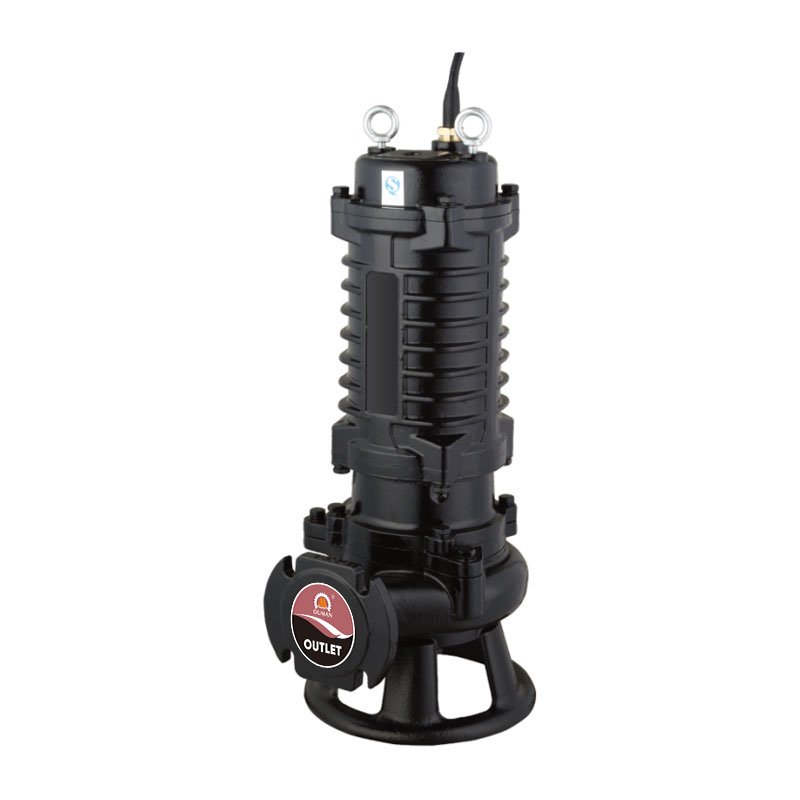
Fluid transfer projects in commercial and industrial environments require pumping equipment that can maintain stable operation under different working conditions. A commercial ejector pump is designed to support water movement through jet-assisted suction technology, making it suitable for applications where reliable flow performance and flexible installation are required. OUMAN Mechanical & Electrical Co., Ltd. develops jet pump solutions for global customers across water supply, agriculture, construction, and industrial fields.
For B2B buyers, pump selection is closely connected with manufacturing capability rather than product specifications alone. Factors such as material control, production processes, testing procedures, and customization support influence long-term cooperation with a supplier. A professional pump manufacturer needs to understand how different operating environments affect pump structure and performance.
The working principle of jet pump equipment is based on fluid pressure conversion. A high-speed water flow creates suction through the Venturi effect, allowing the pump system to transfer liquids efficiently in various applications. This design approach provides flexibility when customers require equipment for different installation conditions.
Production Process And Quality Management
Producing a commercial ejector pump requires coordination between mechanical manufacturing, component assembly, and performance inspection. During production, manufacturers need to control key factors including pump body processing, motor matching, impeller assembly, sealing structure, and electrical safety checks.
OUMAN integrates product development, manufacturing, sales, and service capabilities, offering multiple pump series and specifications for international markets. The factory produces different jet pump models designed for applications including industrial, agricultural, municipal, and water management projects.
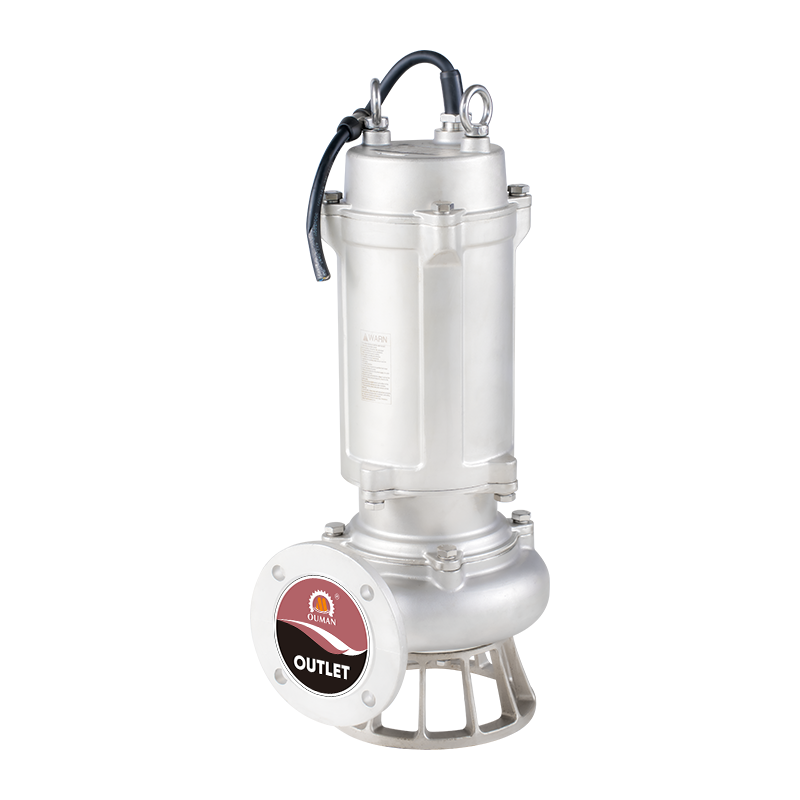
Material selection is an important part of pump manufacturing. Depending on application requirements, suppliers may use different materials for pump housings, internal components, and connection parts. Stainless steel versions, for example, are developed for environments requiring stronger corrosion resistance and durability.
Quality inspection during production helps manufacturers maintain consistency between individual units and larger production batches. Testing procedures may include operational checks, pressure verification, electrical inspection, and performance evaluation before shipment.
|
Manufacturing Factor |
Supplier Evaluation Point |
Buyer Consideration |
|
Pump Body Processing |
Accuracy of casting, machining, and surface treatment |
Influences durability during continuous operation |
|
Internal Component Matching |
Coordination between motor, impeller, and jet structure |
Affects flow stability and system compatibility |
|
Performance Testing |
Inspection before delivery |
Helps reduce installation risks at project sites |
|
Production Flexibility |
Ability to adjust specifications and configurations |
Supports different engineering requirements |
Customization Capability For Different Applications
Commercial pumping projects often involve specific requirements related to flow rate, pressure, installation environment, and operating conditions. Standard products may not always match every project, so manufacturers with engineering support can provide more suitable solutions.
OUMAN supports customized pump solutions based on customer requirements. The factory can adjust product configurations according to different application scenarios, helping distributors, engineering companies, and equipment manufacturers develop suitable fluid handling systems.
For overseas buyers, customization capability also reflects a supplier’s technical communication ability. During product development, clear information exchange regarding operating conditions, installation space, and expected performance helps manufacturers provide appropriate recommendations.
Another important purchasing factor is production capacity. Commercial projects often require stable quantities and consistent product quality over multiple orders. A supplier with organized manufacturing processes can support long-term cooperation with distributors and project contractors.
Selecting A Pump Supplier For Commercial Projects
When sourcing a commercial ejector pump, procurement teams usually evaluate several aspects, including factory experience, quality management, technical support, and delivery capability. The right supplier should provide more than finished equipment; it should also offer manufacturing knowledge that supports project requirements.
Applications for jet pump systems cover areas such as water supply, irrigation, wastewater management, and industrial fluid transfer. These fields often require equipment that can operate under changing conditions while maintaining dependable performance.
A manufacturer’s production system can directly influence supply reliability. Buyers working on international projects often consider whether a factory has complete processes for material sourcing, assembly control, inspection records, and order management.
Industrial Demand And Pump Manufacturing Development
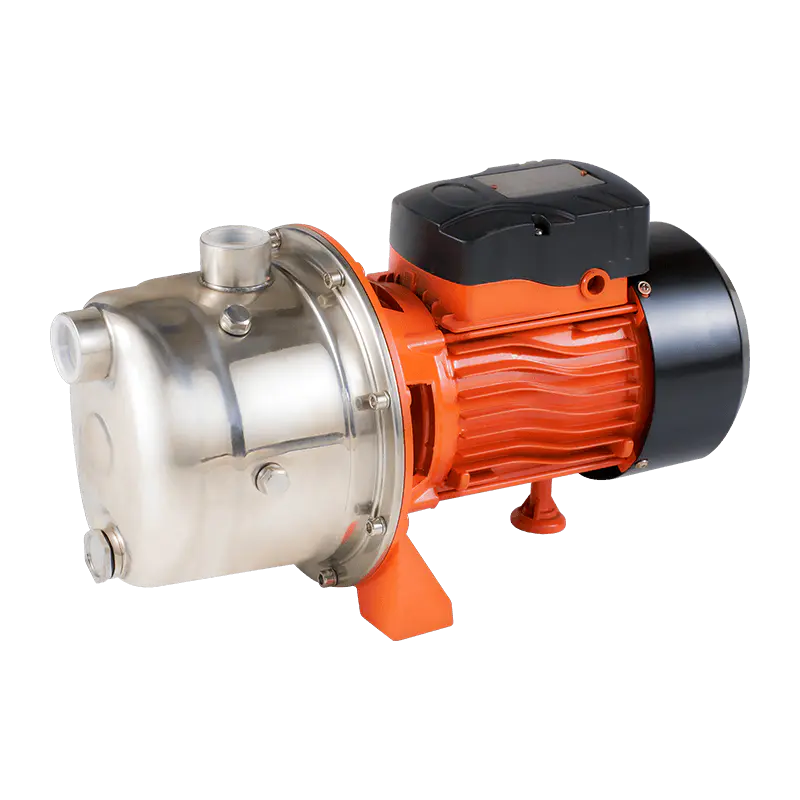
The demand for efficient fluid transfer equipment continues to increase as commercial infrastructure and industrial facilities expand. Pump manufacturers are focusing on improving product reliability, material performance, and production efficiency to meet changing market requirements.
A commercial ejector pump remains an important option for applications requiring suction capability and adaptable installation solutions. Its design provides advantages in systems where fluid transfer conditions require careful engineering consideration.
OUMAN continues to develop pump technologies and manufacturing processes to support customers worldwide. Through product development, quality control, and customized production services, the factory provides pump solutions for businesses seeking dependable partners in global supply chains.
For procurement teams, evaluating manufacturing processes, technical support, and production management provides a clearer understanding of supplier capability. These factors help companies establish stable cooperation for future commercial pumping projects.