
 Eng
Eng  English
 русский
 عربى
عربىIn the vital sectors of agriculture, construction, municipal water management, and residential life, a silent and powerful workhorse operates beneath the surface: the submersible pump. This specialized equipment, designed to operate fully submerged in the fluid it is meant to move, has become indispensable for efficient fluid management across the globe. Its unique design and operational characteristics offer distinct advantages over traditional external pumps, driving its widespread adoption in scenarios ranging from deep-well water extraction to demanding flood control.
What Defines the Core Characteristics of a Submersible Pump?
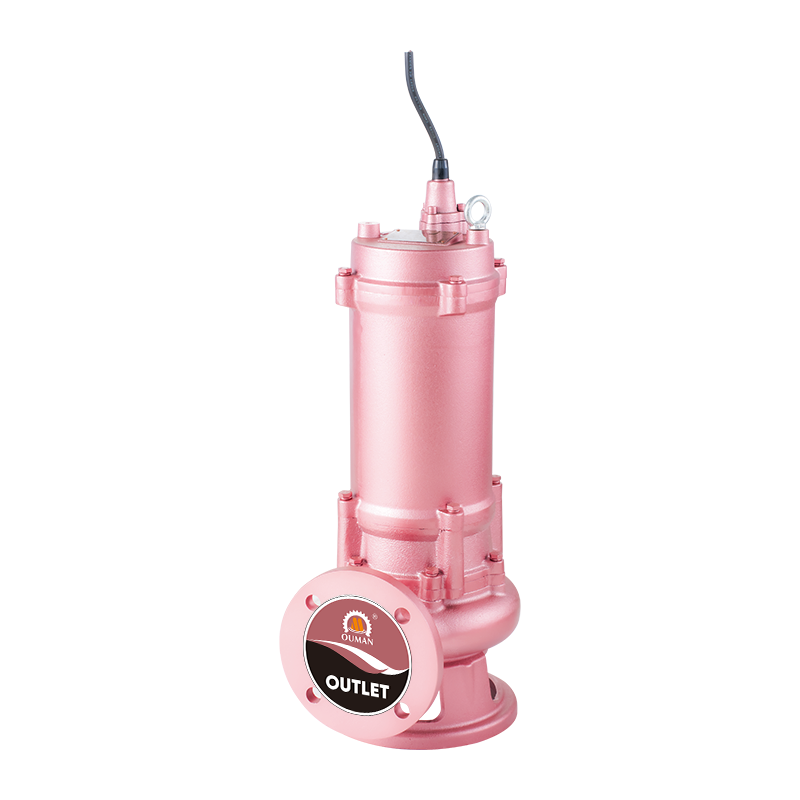
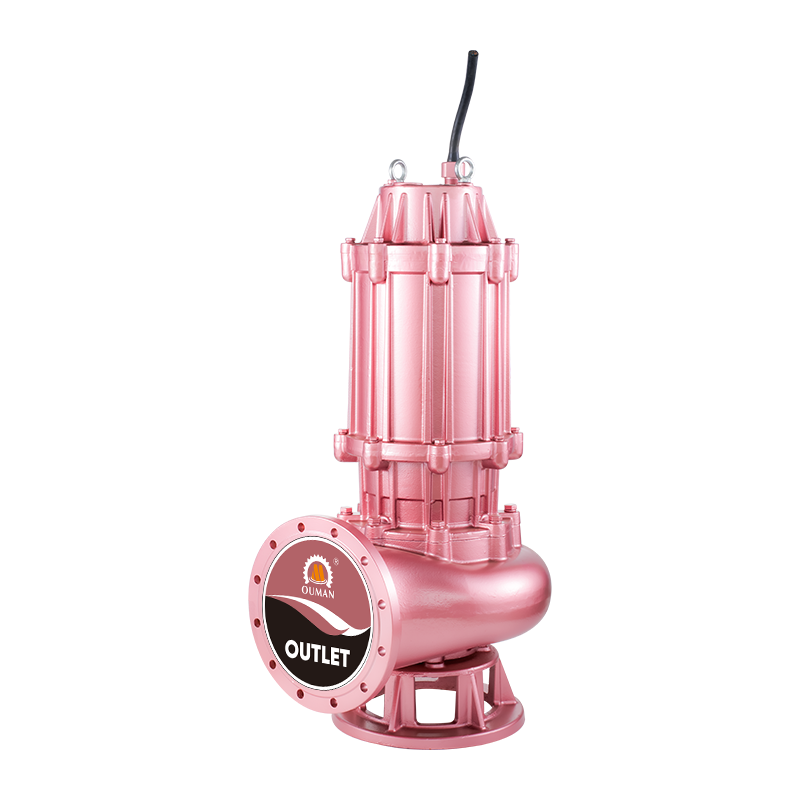
The defining feature of a submersible pump is its hermetically sealed motor, which is coupled directly to the pump body. This integrated assembly is engineered to be completely immersed in liquid, which serves the dual purpose of cooling the motor and eliminating the need for a complex priming system. This design translates into several key operational benefits, notably high energy efficiency, as the pump pushes fluid upward rather than having to create suction from above ground. They are also remarkably quiet during operation and are protected from external weather conditions or accidental physical damage. Modern units often incorporate advanced materials like corrosion-resistant stainless steel or specialized composites, significantly extending their service life even when handling abrasive or mildly corrosive fluids. The global market for these pumps, valued in the billions of dollars, is projected to continue steady growth, driven by infrastructure development and agricultural demands.
What Are the Main Types of Submersible Pumps?
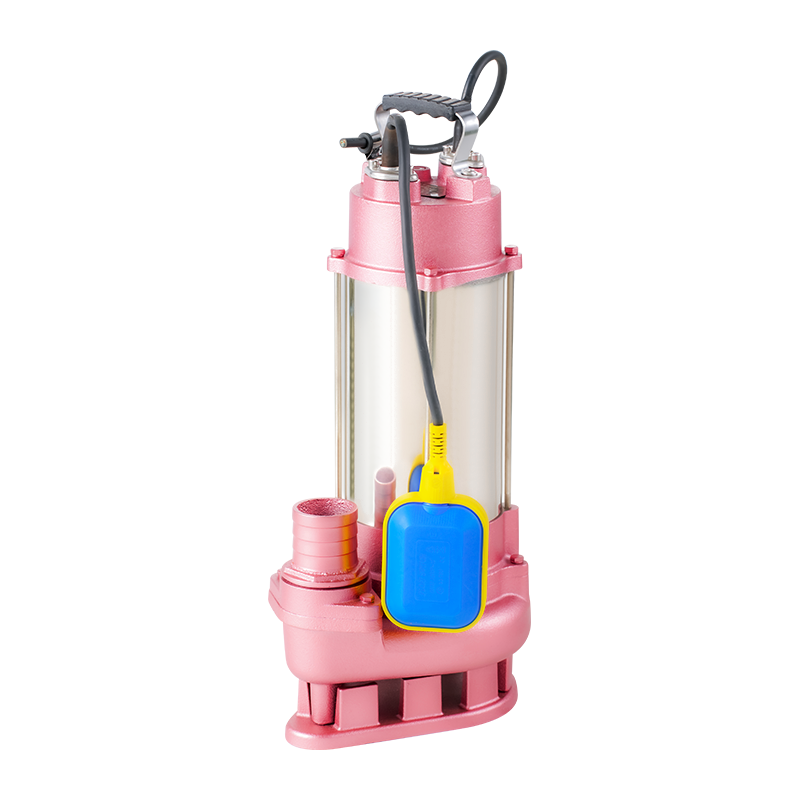
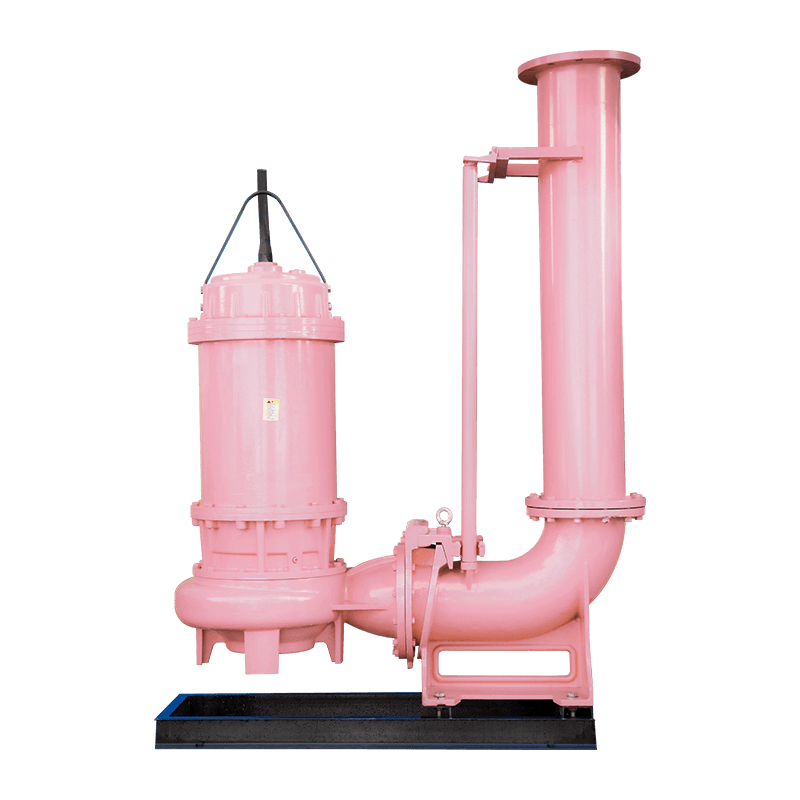
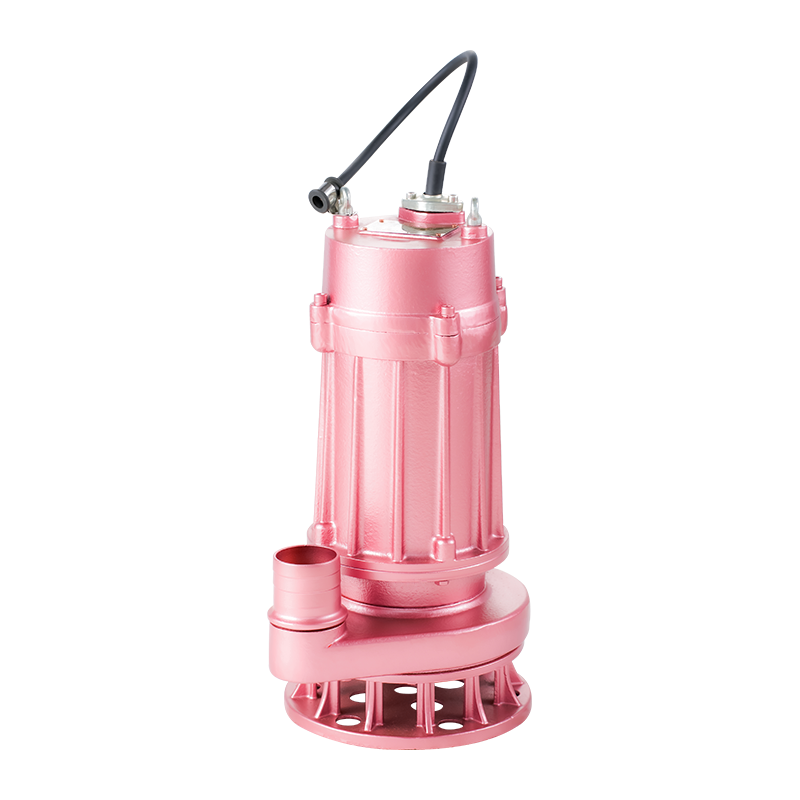
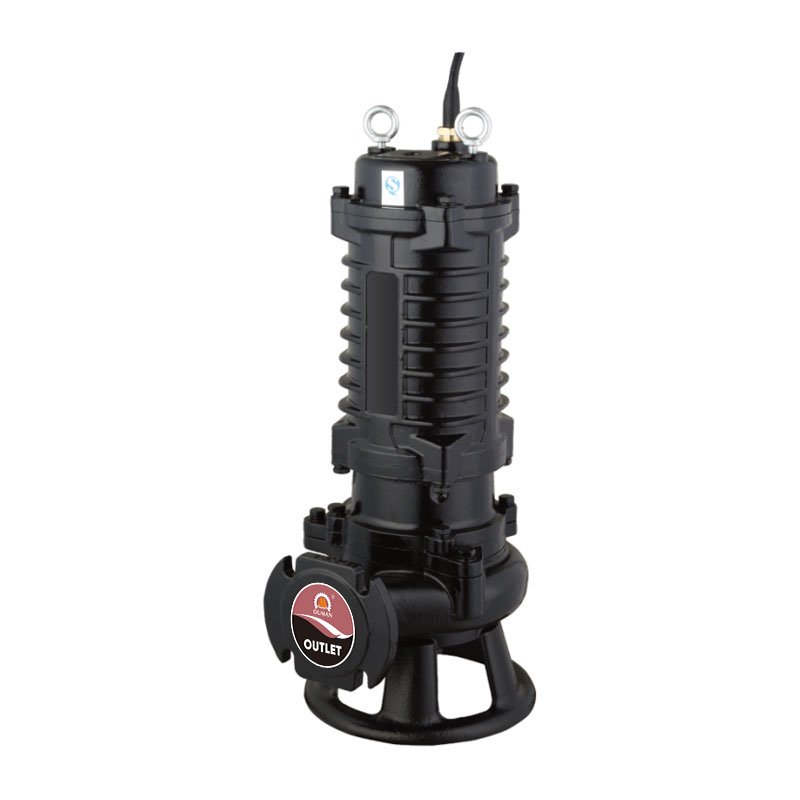
The broad category of submersible pumps encompasses several specialized types, each optimized for different duties. The many common are clean water pumps, designed for groundwater extraction from wells or boreholes for domestic and irrigation use. In contrast, sewage and drainage pumps are built with larger passages and hardened components to handle wastewater containing solids and fibrous materials, crucial for building basements and municipal systems. For the many challenging applications, such as moving thick slurries in mining or industrial settings, heavy-duty sludge pumps are employed. Grinder pumps, often used in pressurized sewer systems, feature cutting mechanisms to macerate solids before pumping. Additionally, submersible utility pumps are the versatile choice for construction site dewatering or emergency flood water removal, capable of handling turbid water with small suspended particles.
Where Are Submersible Pumps Primarily Used?
The primary use of submersible pumps is the reliable and efficient transfer of fluids from one location to another, particularly from depth to surface or from a low point to a drainage system. In agriculture, which accounts for a substantial portion of global freshwater use, these pumps are the backbone of irrigation, drawing water from sources dozens or even hundreds of meters deep to feed crops. In urban and residential settings, they are vital for providing clean drinking water from deep wells, managing basement and wastewater drainage in buildings, and circulating water in decorative fountains or ponds. The construction industry relies on them extensively for site dewatering to keep foundations dry. On a larger civic scale, submersible pumps are critical components in municipal wastewater treatment plants for moving sewage between process stages and are frontline tools in flood control and stormwater management systems, where their fully submerged operation allows for continuous water level control.
The submersible pump’s indispensability lies in its elegant solution to a fundamental challenge: moving fluid efficiently from difficult, submerged locations. Its design converts inherent operational obstacles—such as the need for cooling and the difficulty of suction over height—into advantages, resulting in a device that is both robust and highly effective. This engineering pragmatism has cemented its role as a foundational technology across civilization, quietly supporting everything from individual household water access to the functioning of entire cities and industries. As the world increasingly focuses on sustainable water management and resilient infrastructure, the continued evolution and application of submersible pump technology will remain crucial in shaping our relationship with one of the planet’s many vital resources, proving that some of the many powerful engines are those we seldom see.
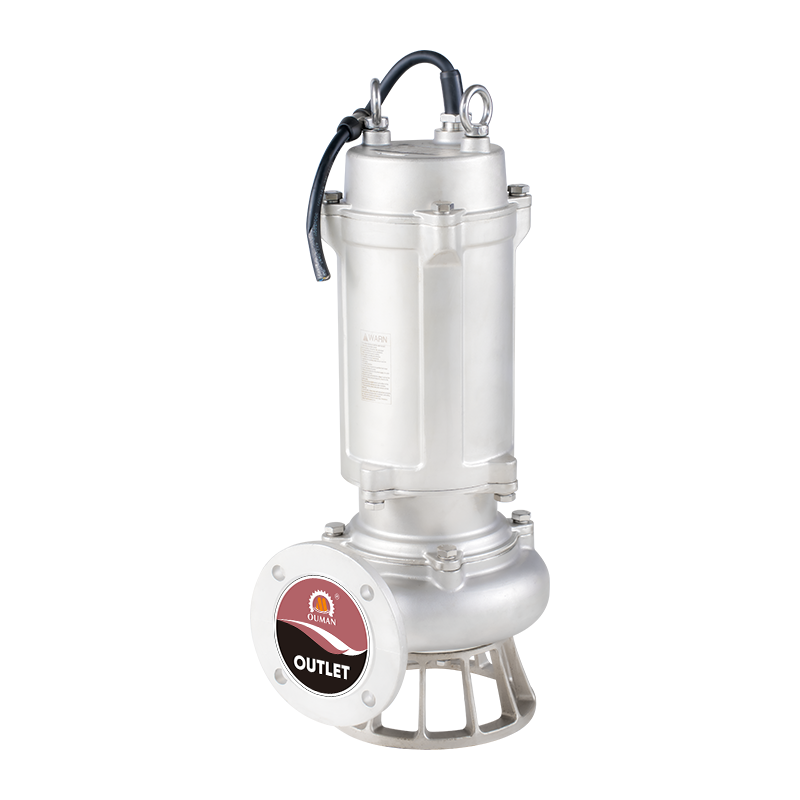
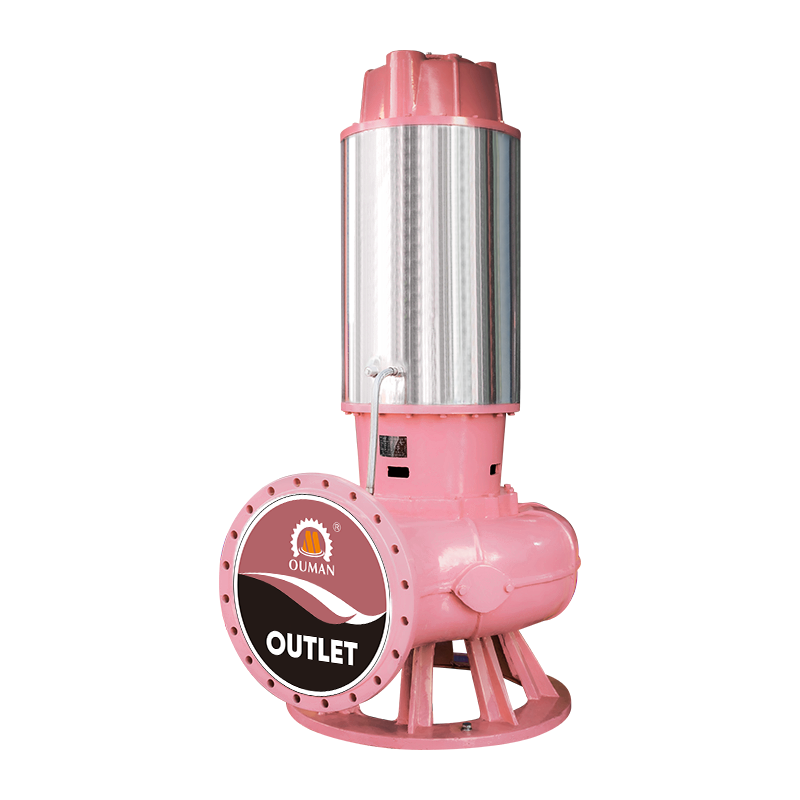
OUMAN Mechanical & Electrical Co., Ltd. offers a premium Oil Immersed All Stainless Steel Submersible Pump, designed for challenging environments where corrosion, abrasion, and continuous operation are primary concerns. Constructed entirely from high-grade stainless steel, this pump ensures exceptional durability and resistance to chemical and acidic conditions. The oil-immersed cooling system provides reliable thermal management, enabling consistent performance even under heavy loads or prolonged use. Ideal for industrial drainage, deep well extraction, wastewater management, and agricultural irrigation, this pump combines robust engineering with low maintenance requirements. For projects demanding resilience and efficiency in submerged applications, this model stands as a highly recommended solution.