
 Eng
Eng  English
 русский
 عربى
عربىFrom residential basements to light industrial sites, the need to move wastewater and other fluids against gravity is a common challenge. The device that reliably meets this need is the ejector pump, a specialized pumping system designed for tasks where standard drainage is impractical. Often installed in a below-floor pit, the ejector pump serves as a critical piece of infrastructure, protecting properties from water damage and enabling functional plumbing in spaces below the main sewer line. Its operation, purpose, and growing range of applications make it a subject of interest for homeowners, contractors, and facility managers alike.
How Does an Ejector Pump Work?
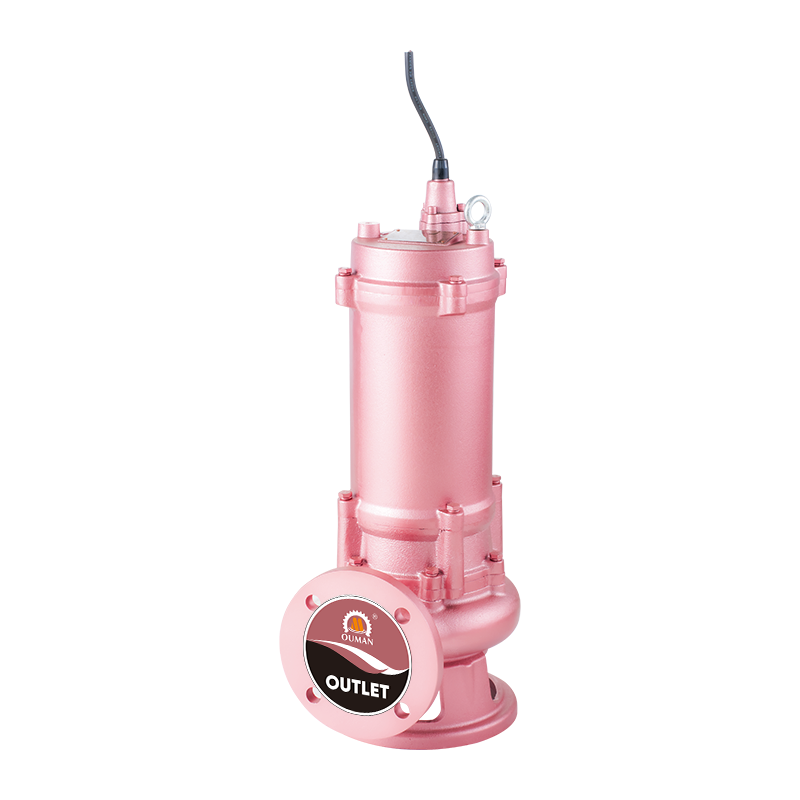
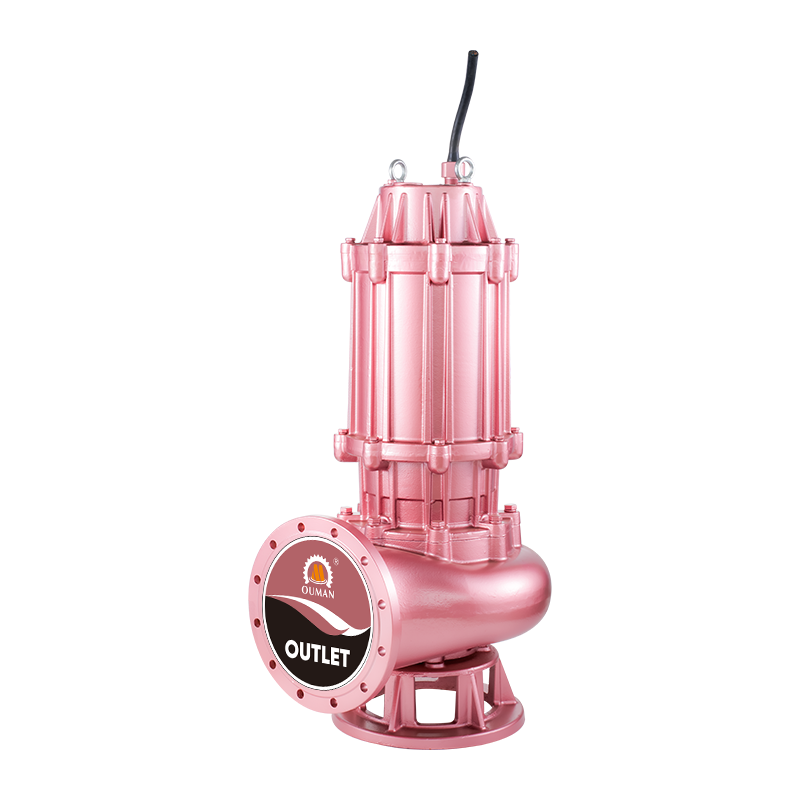
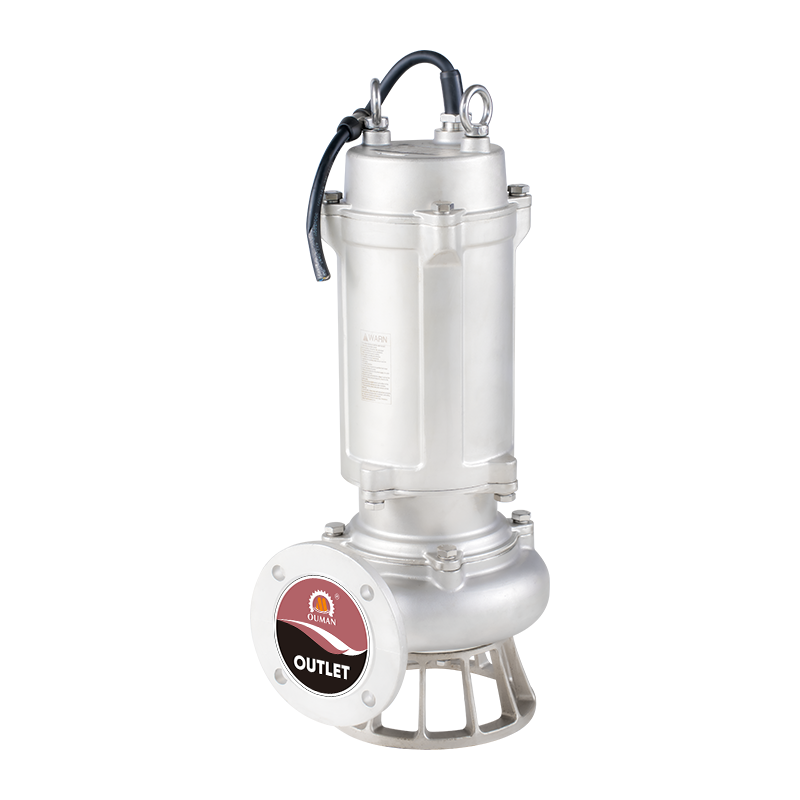
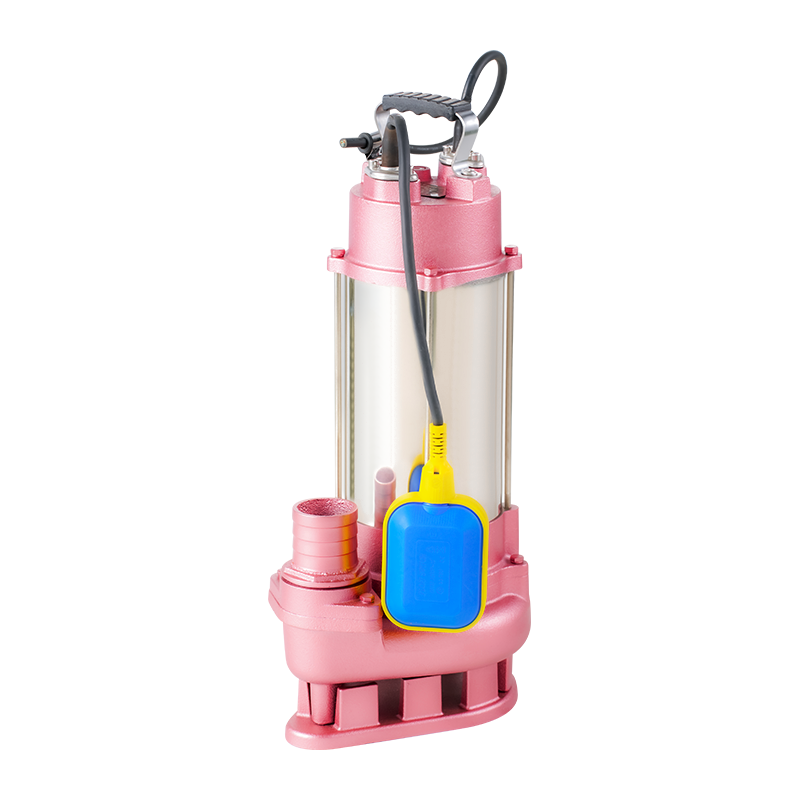
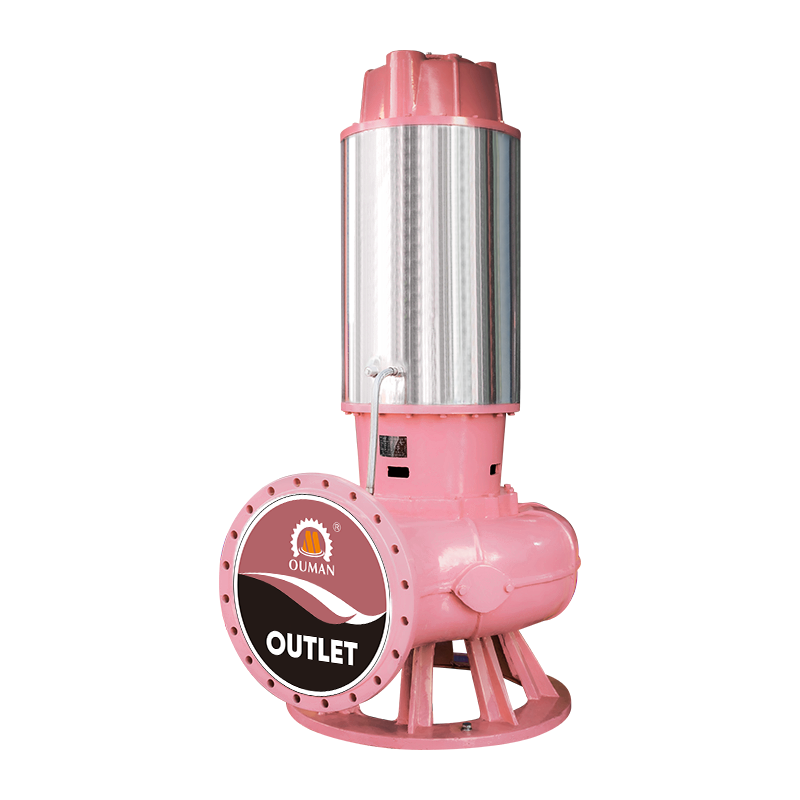
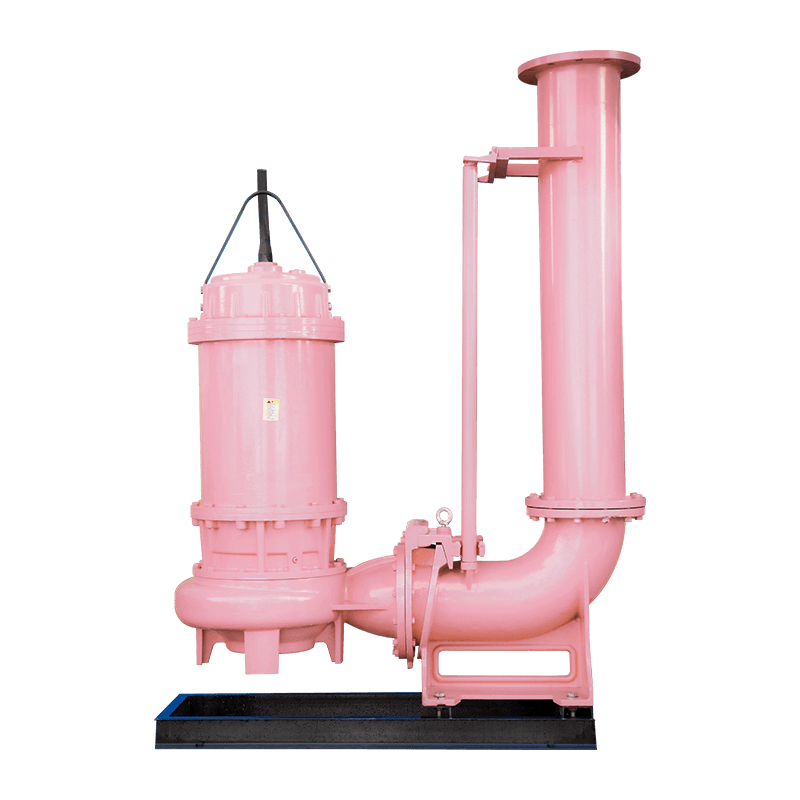
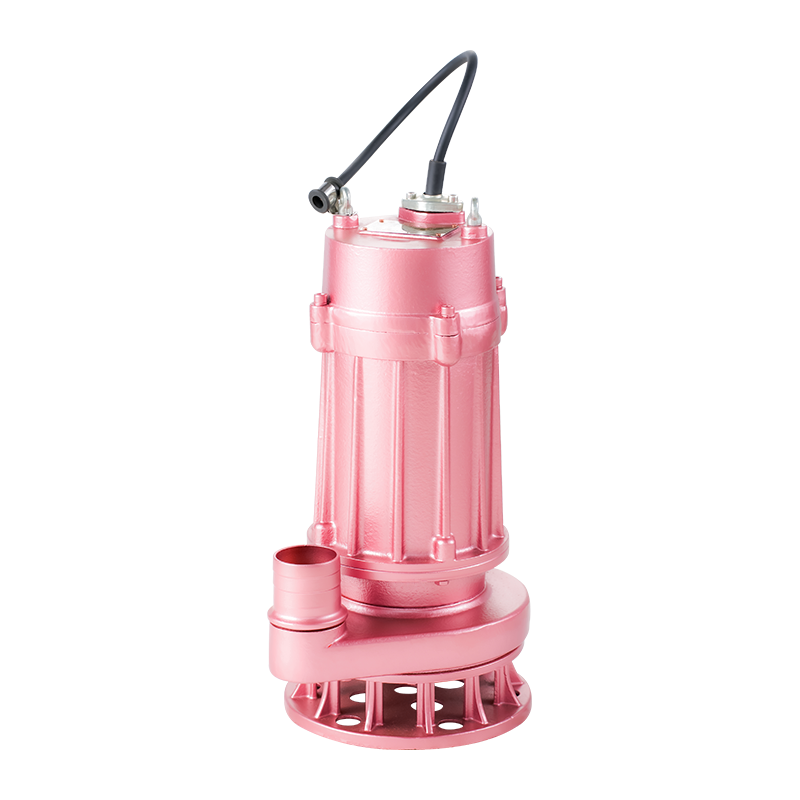
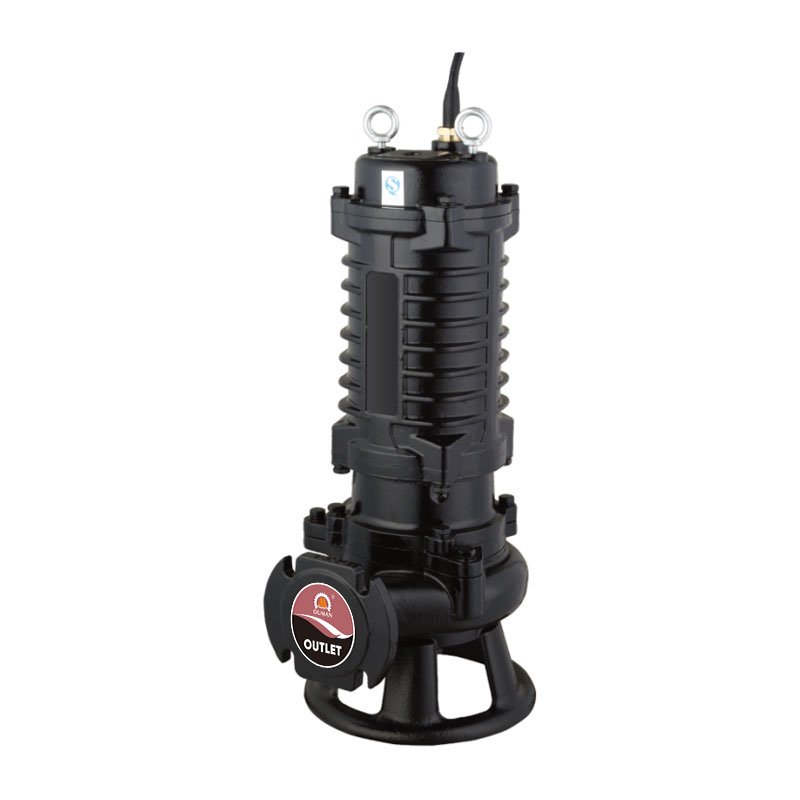
The ejector pump operates on a straightforward yet effective mechanical principle. The core unit is a sealed, submersible electric pump designed to be installed within a basin or sump pit. As wastewater from fixtures like a basement bathroom, laundry sink, or floor drain flows into this pit, the liquid level rises. A key component, typically a float switch, activates the ejector pump once the water reaches a predetermined height. The pump motor then engages, creating centrifugal force that draws the fluid into the impeller and forcibly discharges it under pressure through an outlet pipe. This pipe is equipped with a check valve to prevent backflow. Once the pit is emptied to a lower level, the float switch deactivates the ejector pump, and the cycle is ready to begin anew. This automated, on-demand operation is central to the system's reliability and hands-off functionality in residential settings.
What is the Core Function of an Ejector Pump?
The fundamental function of an ejector pump is to lift fluid from a low point to a higher elevation where it can flow by gravity into a municipal sewer or septic system. This is distinct from simply moving water horizontally. A standard ejector pump in a residential context is engineered to handle what is categorized as sewage or greywater, which contains solids and debris. For more demanding applications, a specialized ejector pump known as a grinder pump may be employed. This variant incorporates cutting blades to macerate solid waste into a fine slurry before pumping, allowing it to be transported efficiently through smaller-diameter pipes over longer distances or to higher vertical lifts, often necessary in decentralized community systems or properties with challenging topography.
Where Are Ejector Pumps Primarily Applied?
The common application for an ejector pump is in residential construction, specifically for adding plumbing fixtures in finished basements or any part of a building situated below the main sewer line. Here, it enables the installation of bathrooms, wet bars, or laundry facilities that would otherwise be impossible. Beyond the home, ejector pump systems are found in a variety of light commercial settings. They are used in small restaurants, school locker rooms, or commercial basements to manage incidental wastewater. Furthermore, they play a role in managing groundwater seepage, where a dedicated ejector pump in a sump pit collects and discharges water to protect a building's foundation. While installation costs can range significantly based on system complexity, a properly installed and maintained residential ejector pump unit can be expected to provide service for a number of years, making it a long-term solution for below-grade drainage.
The ejector pump is an engineered solution to a fundamental problem in fluid dynamics and building design. By providing a reliable means to lift wastewater using automated, submerged pumping action, it expands the usable space within structures and safeguards properties. Its evolution to include grinder technology for tougher duties demonstrates its adaptability. As urban development continues and homeowners seek to improve their property's utility, the role of the dependable ejector pump in both residential and commercial contexts remains firmly established.
The JET Stainless Steel Jet Pump from OUMAN Mechanical & Electrical Co., Ltd. delivers high-performance water pressure boosting and transfer. Its core component is precision-crafted from durable stainless steel, ensuring outstanding corrosion resistance and longevity, even with intermittent use. The advanced jet system efficiently draws and pressurizes water from wells or tanks, making it ideal for residential water supply, garden irrigation, and small-scale agricultural applications. Compact, energy-efficient, and designed for easy installation, this pump is a reliable solution for consistent on-demand water delivery where clean water handling is required.