
 Eng
Eng  English
 русский
 عربى
عربىIn the unseen networks beneath our homes and cities, a critical class of equipment operates tirelessly to maintain public health and prevent property damage: the sewage pump. These specialized devices are fundamental in modern sanitation, moving wastewater from lower to higher elevations where gravity drainage is impossible. As urban infrastructure expands and basement conversions become more common, the reliable function of sewage pumps grows increasingly vital, forming a important line of defense against flooding and contamination.
What Exactly Is a Sewage Pump and What Is Its Core Purpose?
A sewage pump is a type of centrifugal pump engineered explicitly to handle raw sewage and wastewater containing soft solids and fibrous materials. Its core purpose is to lift this effluent vertically or transport it horizontally over distances to connect with the main sewer line or a septic system. This is essential in numerous applications, including residential basements where bathrooms or laundry rooms are installed below the main sewer grade, as well as in commercial buildings and municipal lifting stations. Unlike clear water pumps, a sewage pump is designed with a larger passage and a special impeller to pass solids, typically those up to two inches in diameter, without clogging. It is estimated that a significant portion of new residential constructions with below-grade living spaces now incorporate at least one sewage pump system to ensure proper wastewater egress.
How Does a Sewage Pump Work and What Is Its Key Structure?
The operational principle of a sewage pump revolves around centrifugal force. When activated, an electric motor spins a sealed impeller at high speed. This rotation draws the wastewater into the pump volute and then forcefully expels it through the discharge pipe. The key structural components are built for durability in a harsh environment. The pump housing is commonly cast iron or stainless steel to resist corrosion. The heart of the pump, the impeller, is often a vortex or semi-open style that creates a whirlpool effect, allowing solids to pass through with reduced risk of jamming. For tougher applications, models featuring a cutting mechanism are available to macerate solids before pumping. A critical structural feature is the robust dual mechanical seal, which prevents the contaminated fluid from entering and damaging the motor, ensuring an operational lifespan that can span several years with proper maintenance.
What Are the Key Performance Parameters for a Sewage Pump?
Selecting an appropriate sewage pump requires careful attention to several key performance parameters. The many critical are flow rate and head pressure. Flow rate, measured in gallons per minute or liters per second, indicates the volume of wastewater the pump can move. A typical residential unit may have a flow rate between 30 to 50 GPM to handle fixtures like a toilet and sink. Head pressure, measured in feet or meters, represents the total vertical height and horizontal distance the pump must overcome, factoring in friction losses in the pipe. A pump with a 20-foot head rating is common for many basement applications. Another vital parameter is the pump's horsepower, which generally ranges from 0.5 to 2 HP for many standard duties, dictating its ability to achieve the required flow against the system pressure. Lastly, the specified solids-handling capacity, often noted as the up to spherical solid diameter in inches, is a direct indicator of the pump's intended duty and clog resistance. Understanding these parameters ensures a sewage pump is correctly matched to its specific application, providing reliable and long-term service.
The sewage pump stands as an indispensable yet often overlooked component of modern infrastructure. Its specialized design for handling solids-laden wastewater addresses a fundamental challenge in sanitation where gravity falls short. From residential basements to municipal systems, these pumps perform the vital task of preventing backflow and contamination, directly contributing to public health and property protection. Understanding its core definition, working principle, and key parameters provides essential insight into its selection and function. As urbanization continues and building designs evolve, the reliable operation of sewage pumps will remain a cornerstone of effective and resilient wastewater management, quietly ensuring the smooth and hygienic flow of daily life.
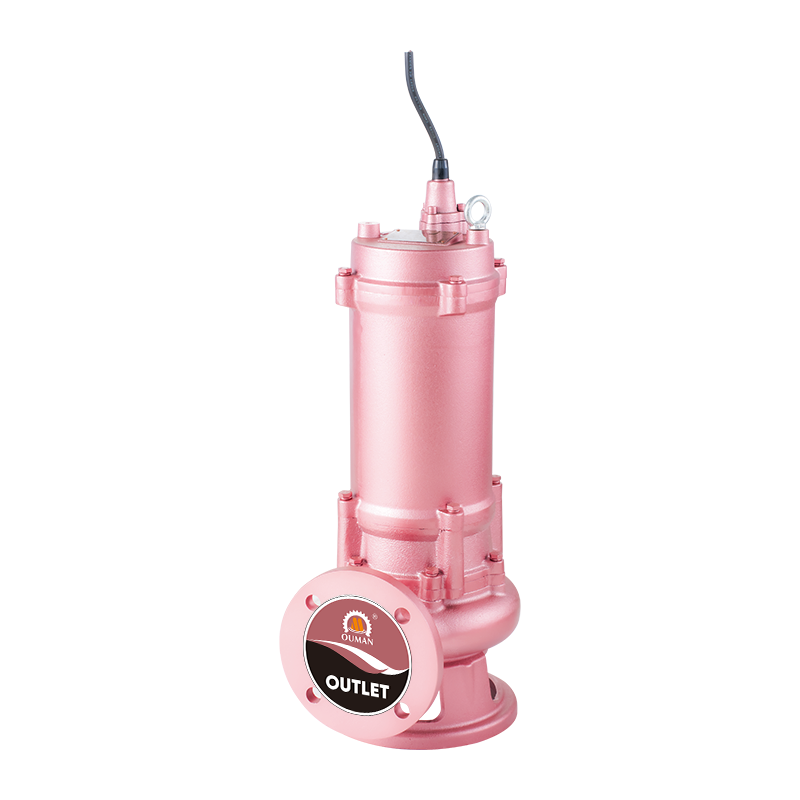
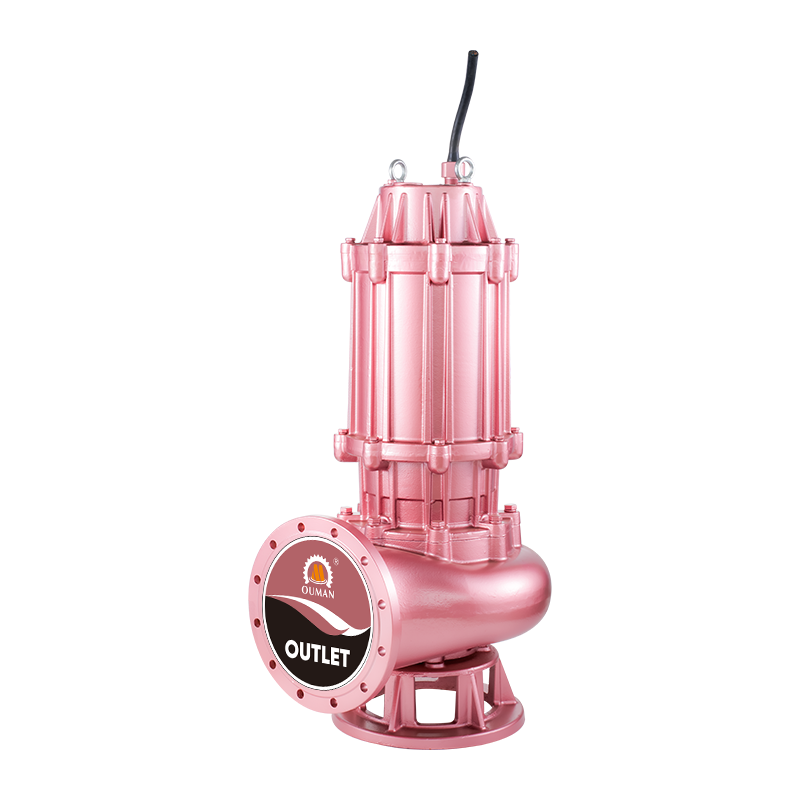
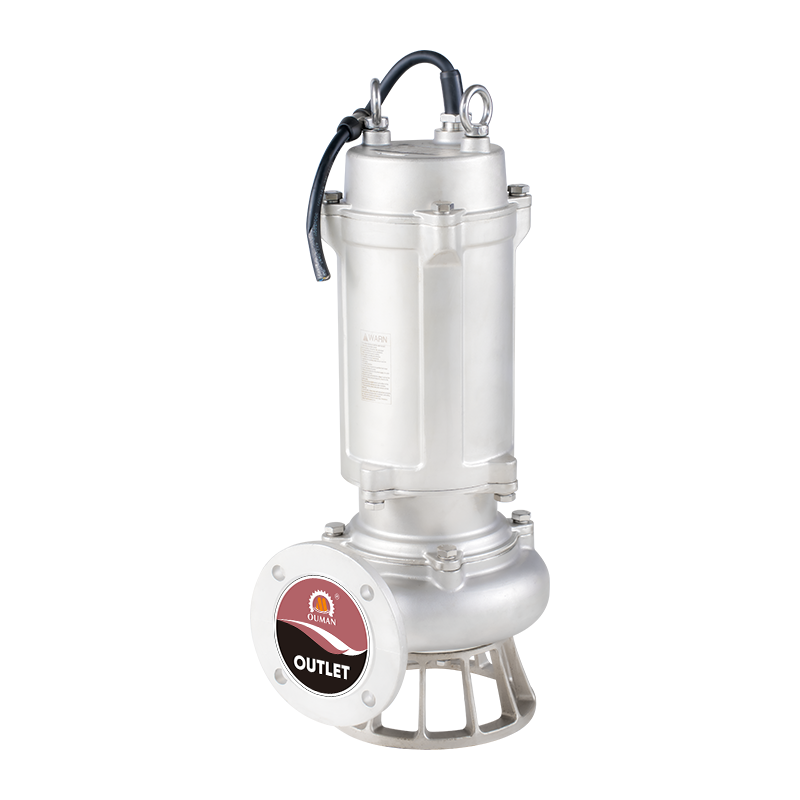
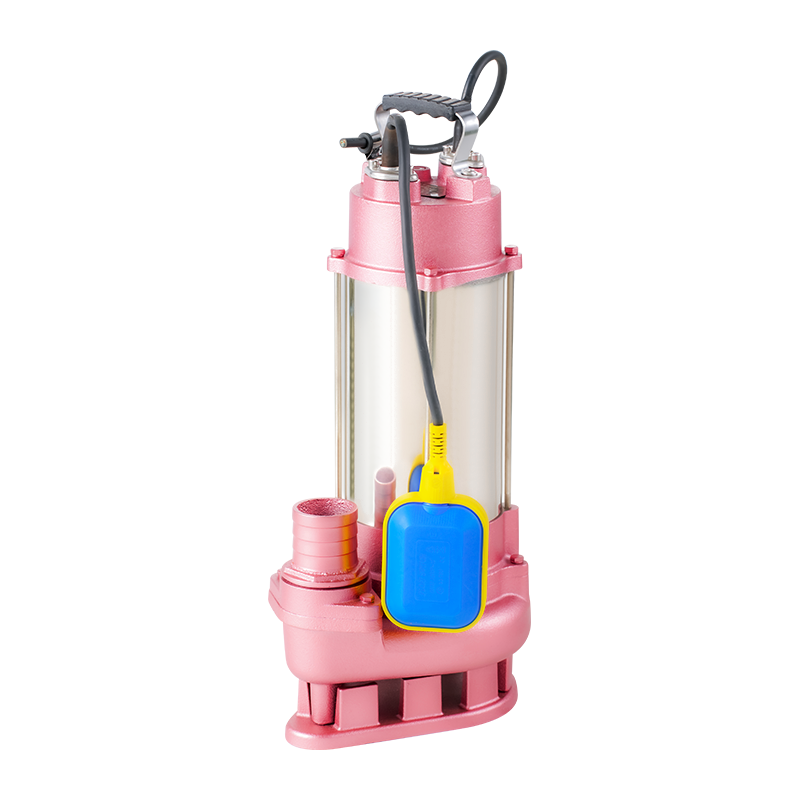
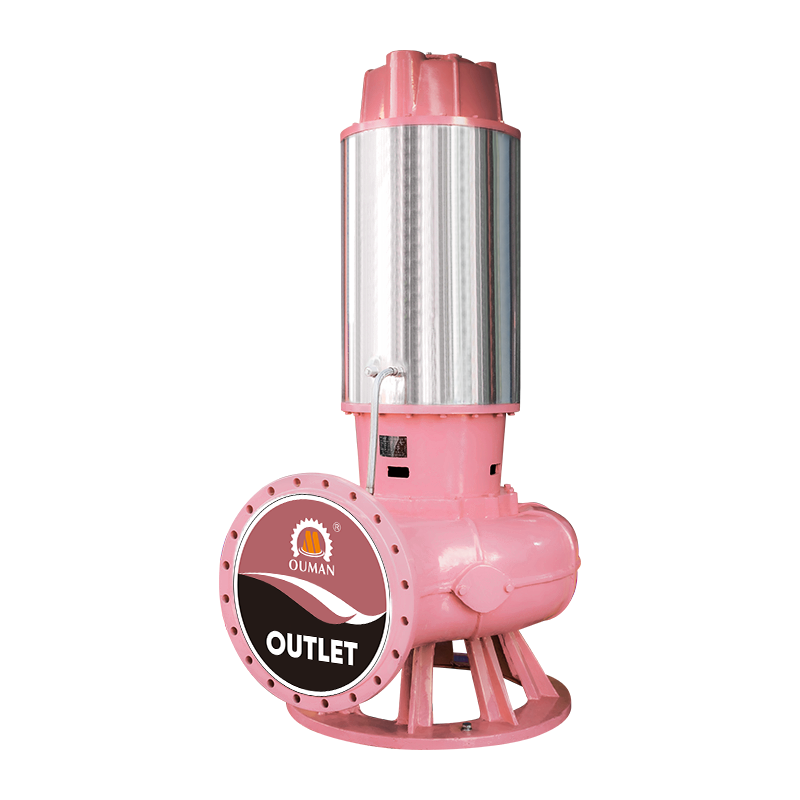
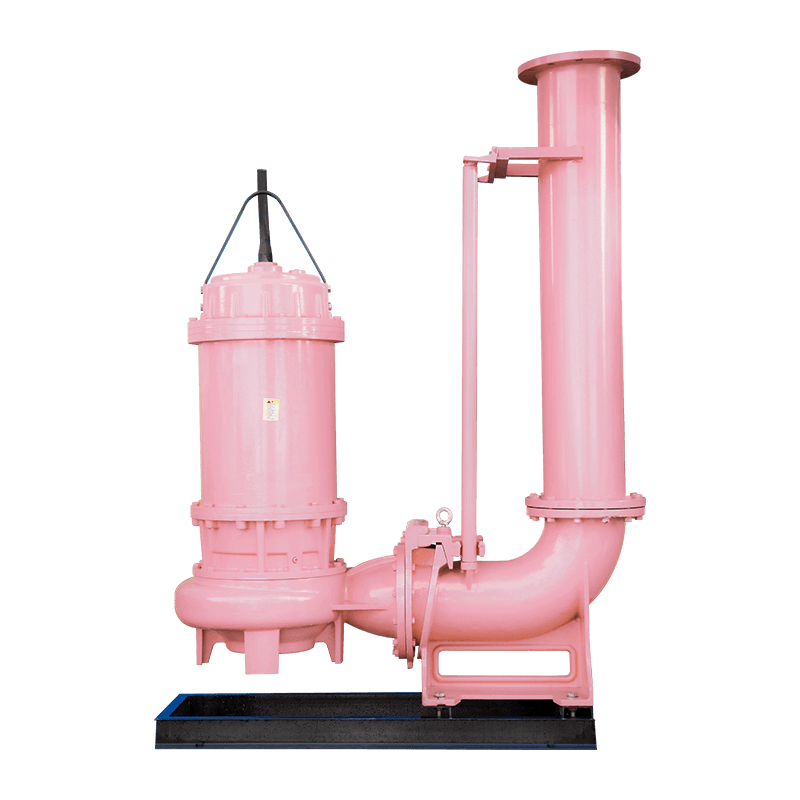
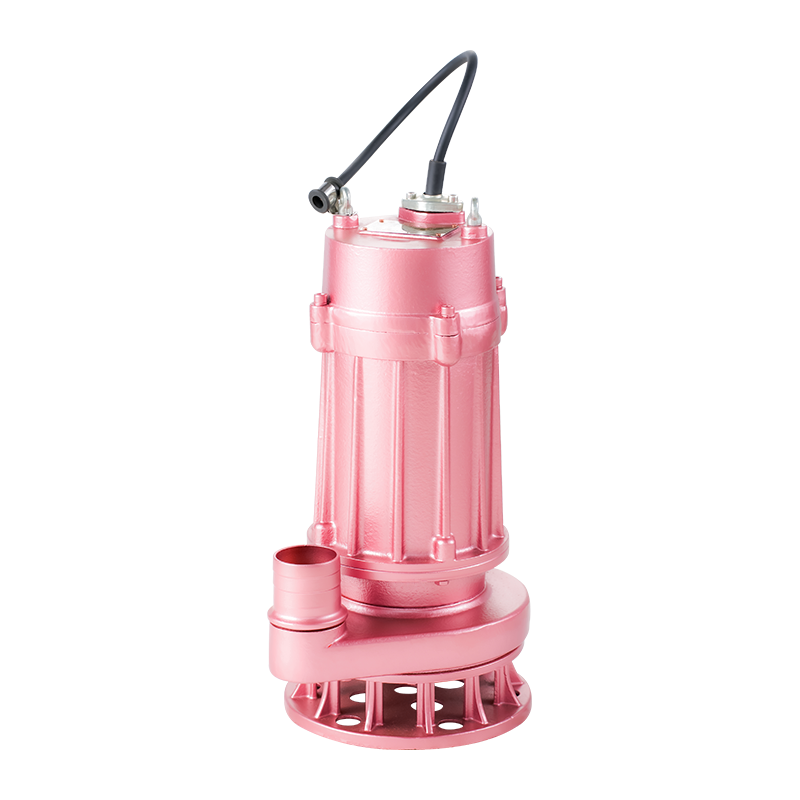
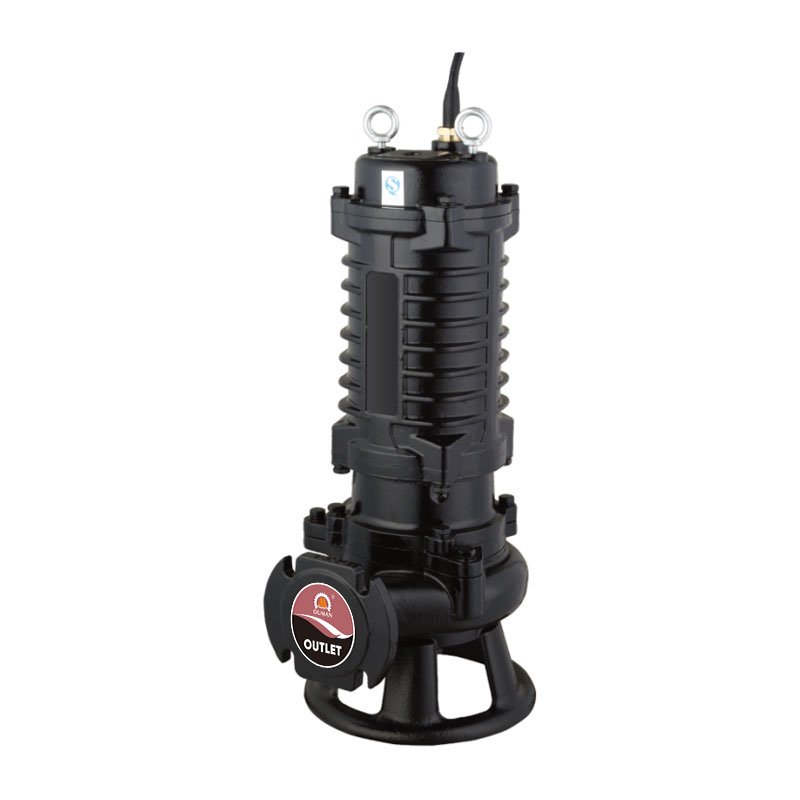
The WQ/WQD Series Submersible Sewage Pump from OUMAN Mechanical & Electrical Co., Ltd. is engineered for demanding wastewater and drainage applications. Constructed with a durable cast iron or stainless-steel casing and a hardened impeller, it is designed to handle fluids containing solids, fibrous materials, and abrasive particles without clogging. The pump features a reliable submersible motor with double mechanical seals for continuous underwater operation, making it suitable for municipal sewage, industrial wastewater, building basements, and flood control. Its robust design ensures efficient, low-maintenance performance in challenging environments where reliable fluid transfer is critical.