
 Eng
Eng  English
 русский
 عربى
عربىThe submersible pump, a device designed to operate fully immersed in the fluid it is moving, is witnessing significant technological evolution. Its market is projected for steady growth, driven by global needs in water management, energy, and infrastructure, with some industry analyses suggesting a consistent annual growth rate in the range of 4% to 6% for the coming years. This outlook is shaped by its fundamental advantages, ongoing innovations, and the challenges it must overcome.
What Are the Core Principles and Main Types of Submersible Pumps?
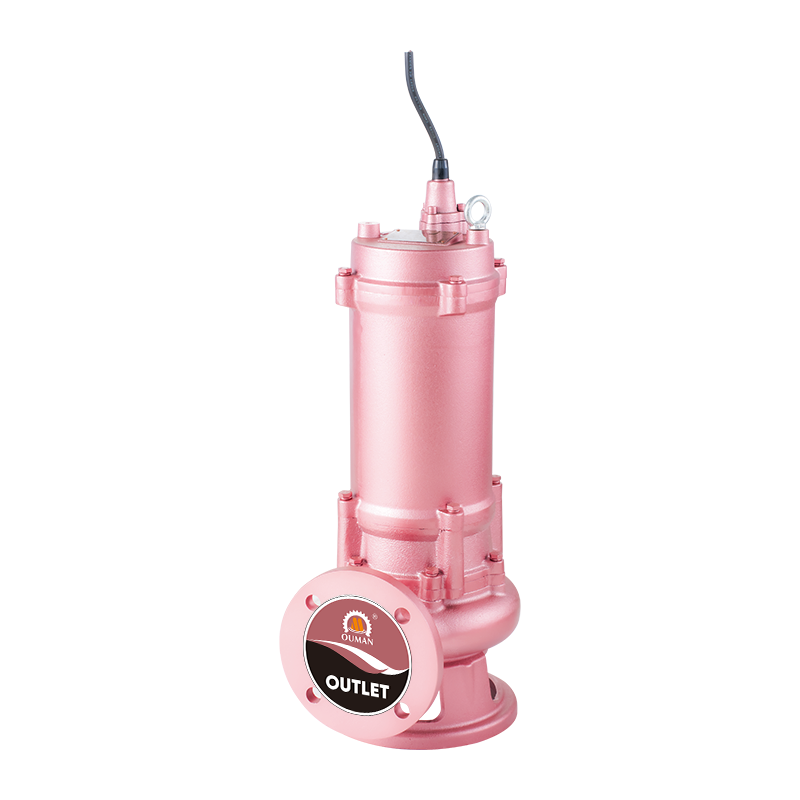
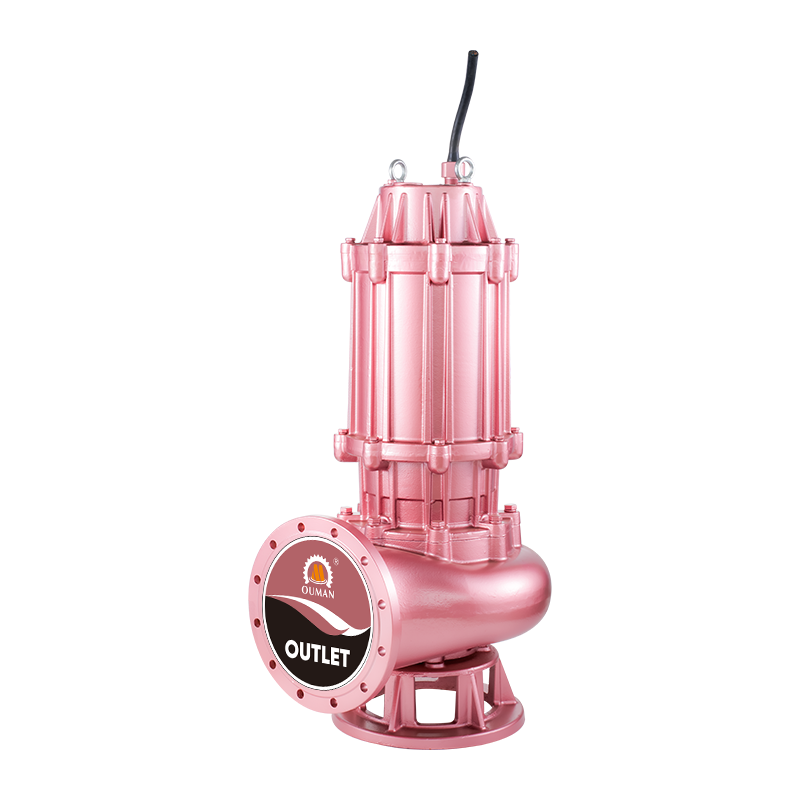
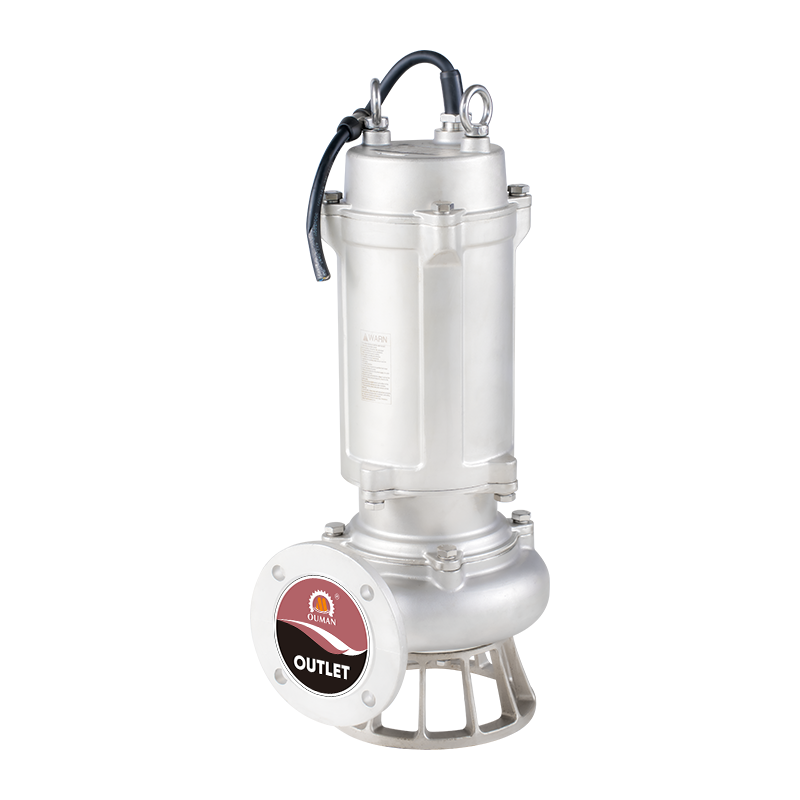
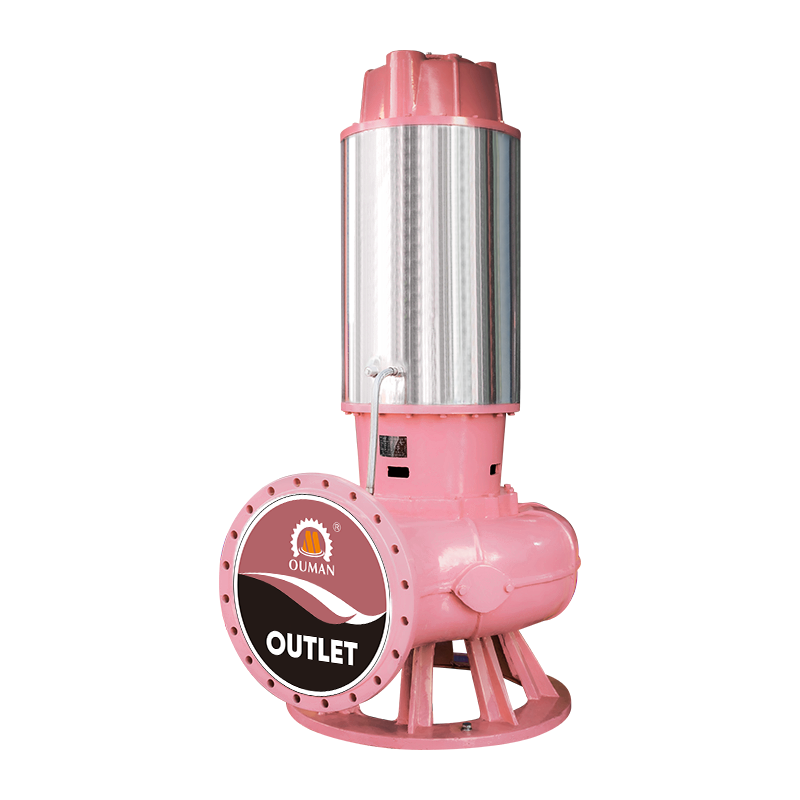
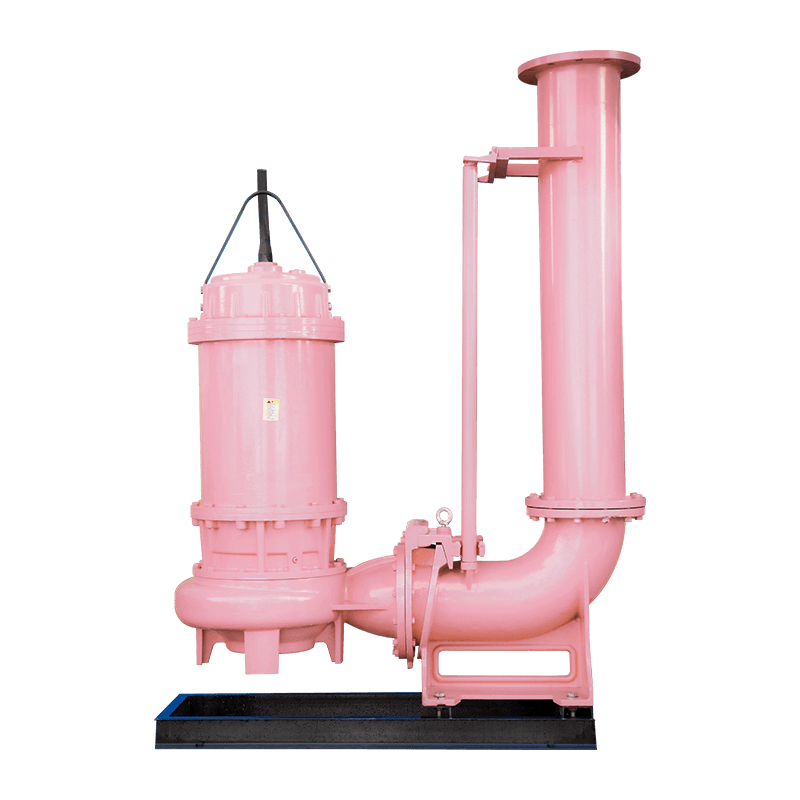
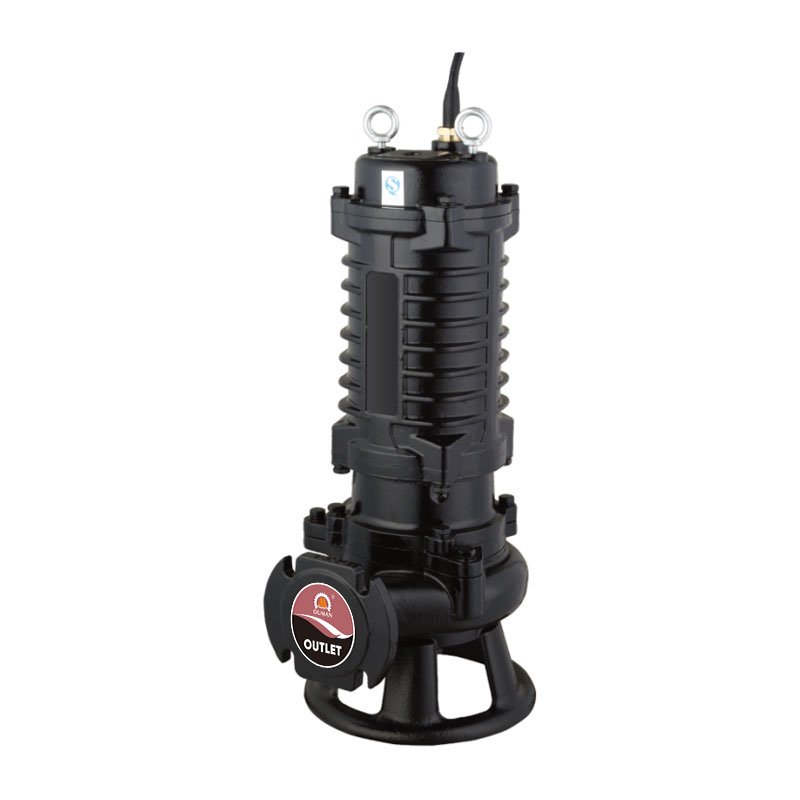
The submersible pump distinguishes itself by its installation and operational method. Unlike standard pumps, it is entirely submerged in the liquid source, which eliminates the need for priming and significantly reduces the risk of cavitation—a major cause of wear in pump systems. The motor is hermetically sealed and coupled directly to the pump body, driving an impeller that creates centrifugal force to move the fluid. This core principle is adapted into various types tailored for specific duties. The many common variants include the borehole or well pump, designed for extracting clean water from deep underground sources. For handling wastewater containing solids, the submersible pump is built as a rugged sewage or grinder pump. In demanding industrial and extraction sectors, multi-stage submersible pumps generate badly high pressure for applications like oil well extraction or mine dewatering, while simpler, smaller models are ubiquitous in domestic sump and utility applications.
How Are Key Technical Parameters Defined for Selection?
Selecting the correct submersible pump requires careful analysis of key technical parameters to ensure efficiency and longevity. The primary specifications are flow rate, typically measured in gallons per minute or cubic meters per hour, and total dynamic head, which accounts for both vertical lift and pipe friction losses. For pumps handling wastewater, the ability to pass solid particles, measured in diameter, is critical. Material construction, such as cast iron, stainless steel, or specialized composites, is chosen based on the fluid's corrosiveness and abrasiveness. The power rating of the motor must be matched to the hydraulic load, and the integrity of the waterproof electrical cable and mechanical seals is paramount. Modern selection processes increasingly utilize software tools that model system curves against pump performance curves to identify the many energy-efficient operating point, a crucial factor as energy costs can represent a majority of a pump's lifecycle expense.
What Are the Main Challenges and Future Developments?
The very feature that defines the submersible pump—its submerged operation—also presents its foremost challenge: accessibility for maintenance and repair. Issues with seal failure, cable integrity, or motor burnout often require the unit to be extracted from great depths or confined, difficult-to-access wet wells, pilot to operational downtime and service costs. Corrosion and abrasion from sandy or chemically aggressive fluids remain persistent threats to component life. In response, the development trajectory is focused on enhancing reliability and intelligence. Advances in materials science are producing more durable seals and corrosion-resistant alloys. The integration of solid-state sensors and IoT connectivity is enabling condition monitoring, allowing for predictive maintenance alerts based on vibration, temperature, or motor insulation integrity. Furthermore, improvements in hydraulic design and the use of variable speed drives are optimizing energy efficiency, which is a major operational priority. These developments are transforming the submersible pump from a simple mechanical tool into a smarter, more connected, and more resilient component within larger systems, securing its vital role in managing the world's water and fluid handling needs for the foreseeable future.
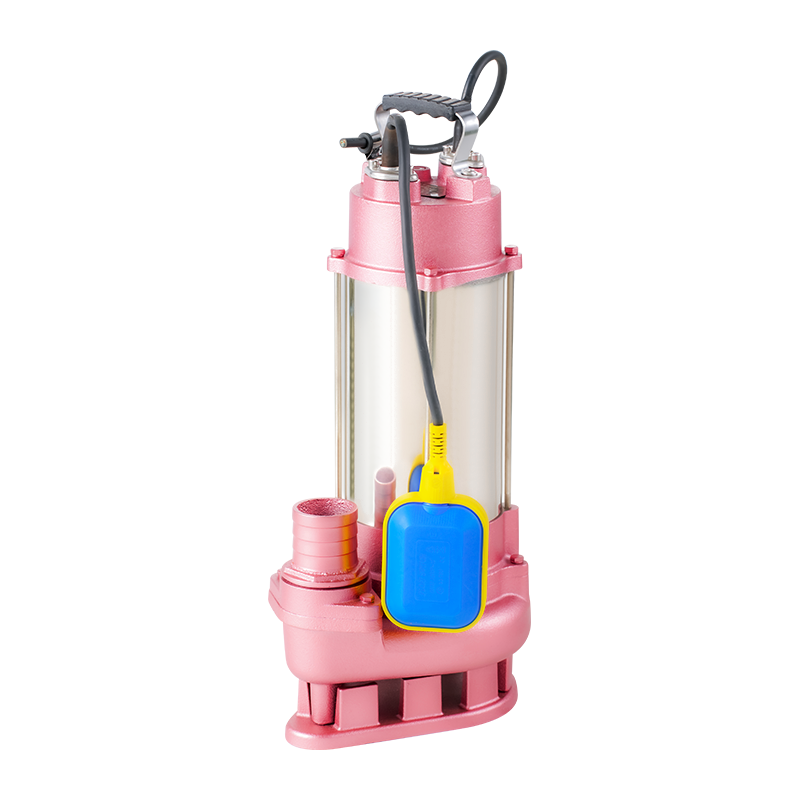
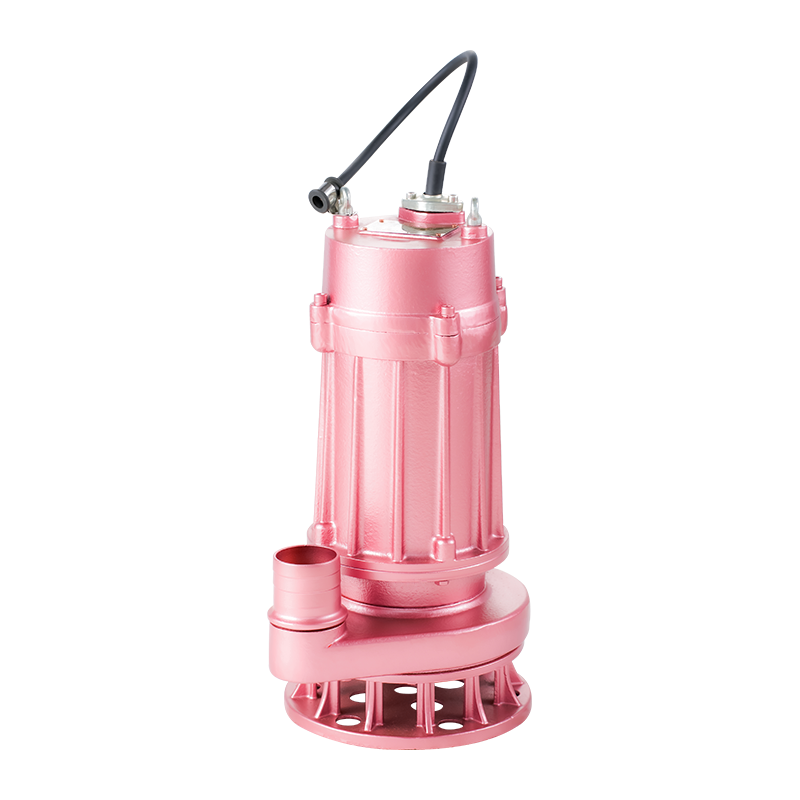
For demanding small-scale water transfer tasks, we recommend the QDX/QX High Power Small Submersible Pump from OUMAN Mechanical & Electrical Co., Ltd. This compact yet powerful unit is engineered to efficiently handle clean water, ideal for applications such as household water supply, garden irrigation, small-scale drainage, and fountain circulation. Despite its small size, it delivers impressive flow performance and head, powered by a reliable motor designed for continuous operation. Its fully submersible design ensures quiet running and ease of use, making it a versatile and practical solution for both domestic and light commercial needs.