
 Eng
Eng  English
 русский
 عربى
عربىThe global market for submersible sewage pumps, a cornerstone of modern wastewater management, is on a path of resilient growth, shaped by urbanization, infrastructure imperatives, and environmental mandates. These specialized pumps, engineered to operate while fully submerged in challenging fluids, are critical for transporting solids-laden sewage where gravity flow is insufficient. The confluence of aging infrastructure in developed regions and rapid urban expansion in emerging economies is driving sustained investment in water and sanitation networks, positioning this market as a vital component of global industrial and public health landscapes.
What is Driving the Current Market Growth for Submersible Sewage Pumps?
Recent industry projections underscore a stable and expanding future for the submersible sewage pump sector. The market's growth is supported by several macroeconomic and regulatory pillars. Accelerated urbanization, particularly in the Asia-Pacific region, is creating exceptional demand for new water infrastructure. Simultaneously, in North America and Europe, significant investments are directed toward rehabilitating and upgrading decades-old sewage systems. Stricter governmental regulations worldwide concerning wastewater treatment standards and environmental discharge are compelling municipalities and industries to adopt more efficient and reliable pumping technologies. Analysts suggest the global market for these pumps could see a compound annual growth rate of around 5% in the coming years, with its total valuation being projected to reach into the tens of billions of dollars, reflecting its fundamental role in municipal and industrial operations.
Where Are Submersible Sewage Pumps Primarily Applied?
The deployment of submersible sewage pumps spans a wide and essential spectrum of sectors, each with distinct requirements. In municipal applications, these pumps are the workhorses of public sanitation. They are indispensable in wastewater treatment plants for internal process flows and are the core component of sewage lifting stations, which transport wastewater from lower to higher elevations within collection networks. Their role in stormwater management and flood control is equally critical. Within the commercial and residential domain, these units provide vital drainage solutions for building basements, parking garages, and elevator pits, and are specifically designed for ejecting wastewater from facilities situated below the main public sewer line. The industrial sector relies on heavy-duty variants to manage complex effluents from food and beverage production, chemical manufacturing, mining, and power generation, where pumps must often handle abrasive, corrosive, or high-temperature fluids.
How is Technology Shaping the Future of These Pumps?
The evolution of submersible sewage pump technology is increasingly defined by a shift toward intelligent, efficient, and sustainable systems. A dominant trend is the integration of digitalization and Internet of Things (IoT) capabilities. The adoption of smart pumps equipped with sensors for real-time monitoring of parameters like vibration, temperature, and performance is accelerating. This data enables predictive maintenance models, transforming operations from reactive to proactive, which lesss unplanned downtime and optimizes lifecycle costs. Energy efficiency remains a paramount focus, driven by both economic and regulatory pressures. The widespread incorporation of variable frequency drives (VFDs), which allow pump speed to be precisely matched to real-time demand, is becoming standard, with potential to reduce energy consumption in pumping systems by significant margins. Concurrently, advancements in materials science, including the use of advanced stainless steels, specialized coatings, and engineered composites, continue to enhance pump durability and resistance to wear in aggressive environments. Looking further ahead, the development of pumping solutions integrated with renewable energy sources, such as solar-powered units for remote applications, aligns with the global push for sustainable infrastructure.
The submersible sewage pump market is not merely growing but is fundamentally evolving. Its trajectory is firmly tied to the global necessities of urbanization, infrastructure resilience, and environmental stewardship. The future of this sector will be characterized by a new generation of pumps that are more connected, more efficient, and more durable. As digital intelligence converges with robust engineering, the submersible sewage pump is transitioning from a simple mechanical device to a smart, integrated node within larger water management ecosystems, ensuring its continued indispensability in building sustainable and livable cities worldwide.
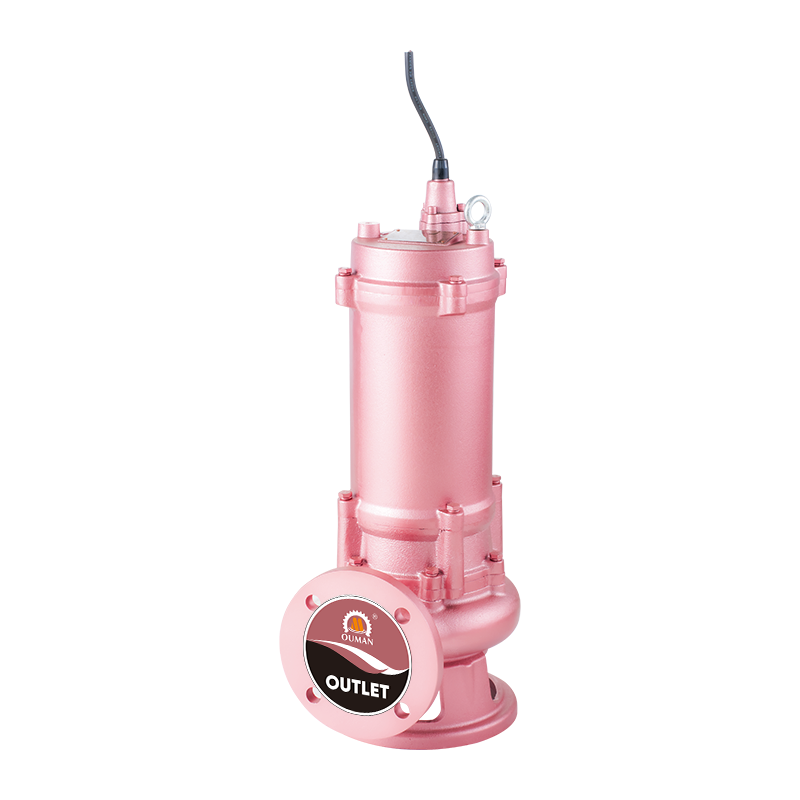
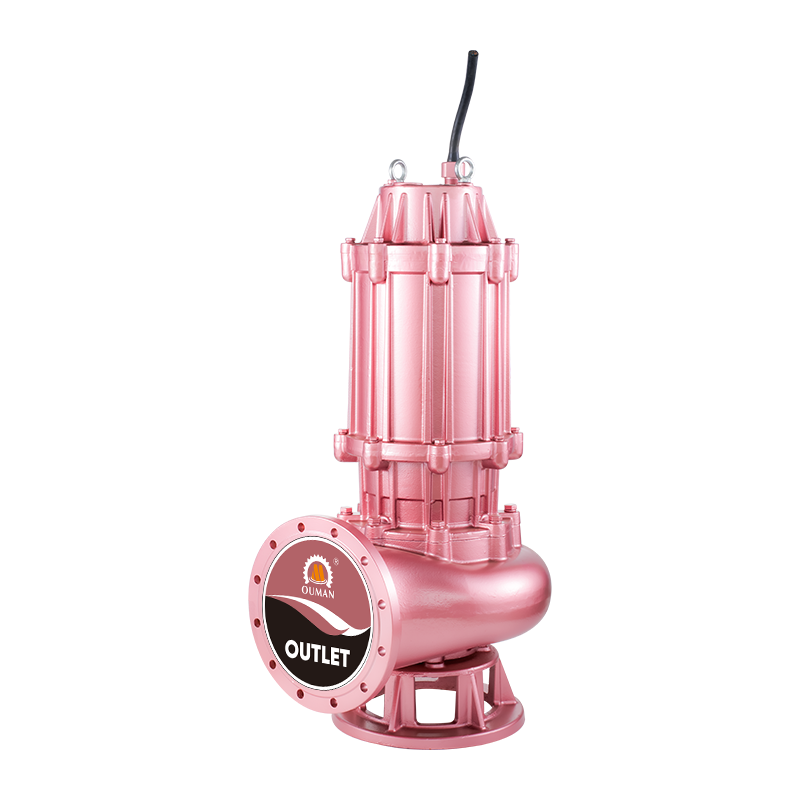
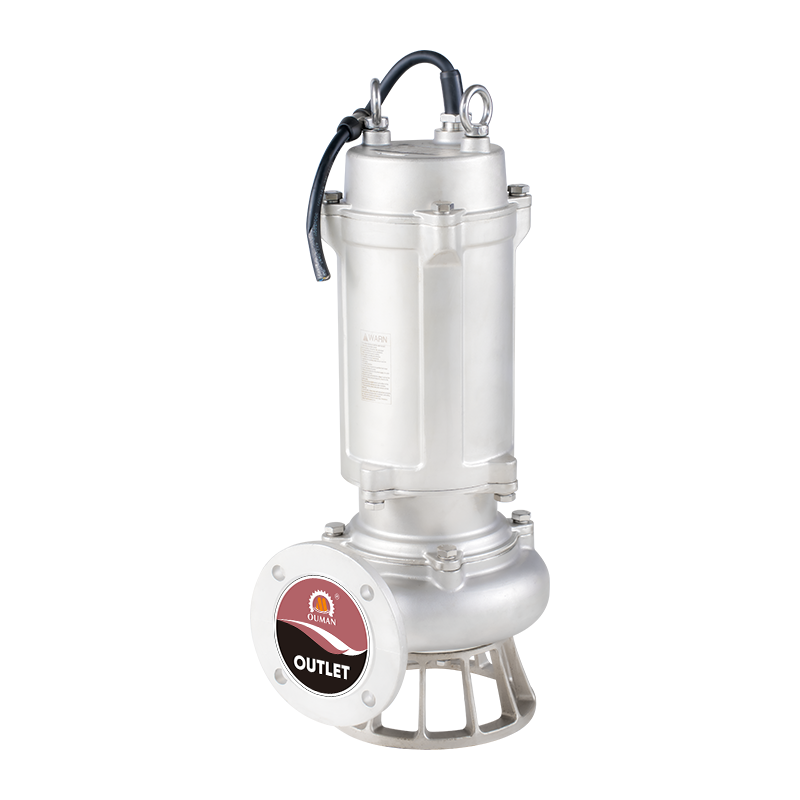
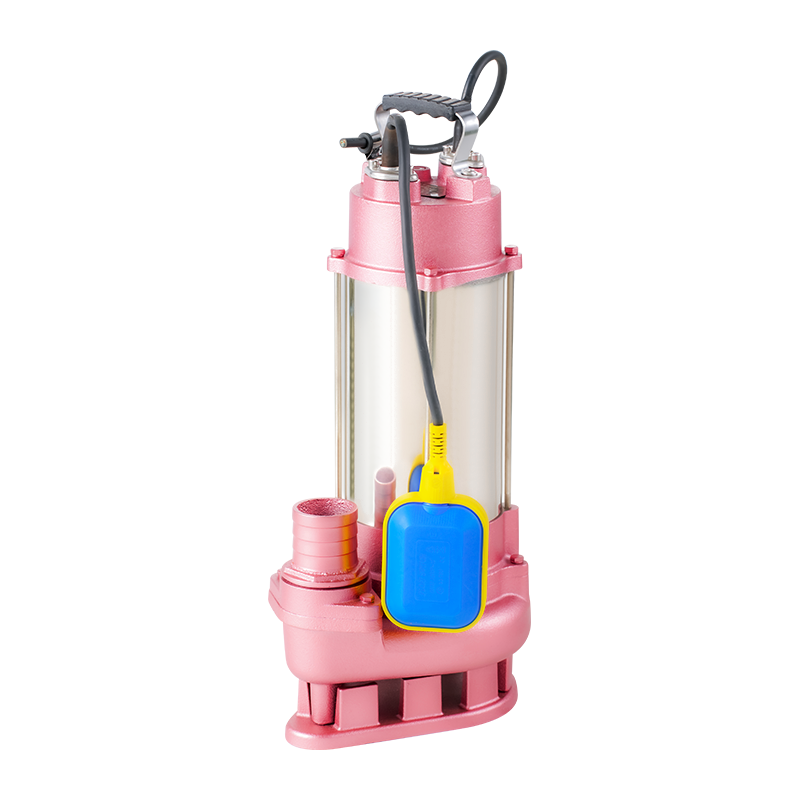
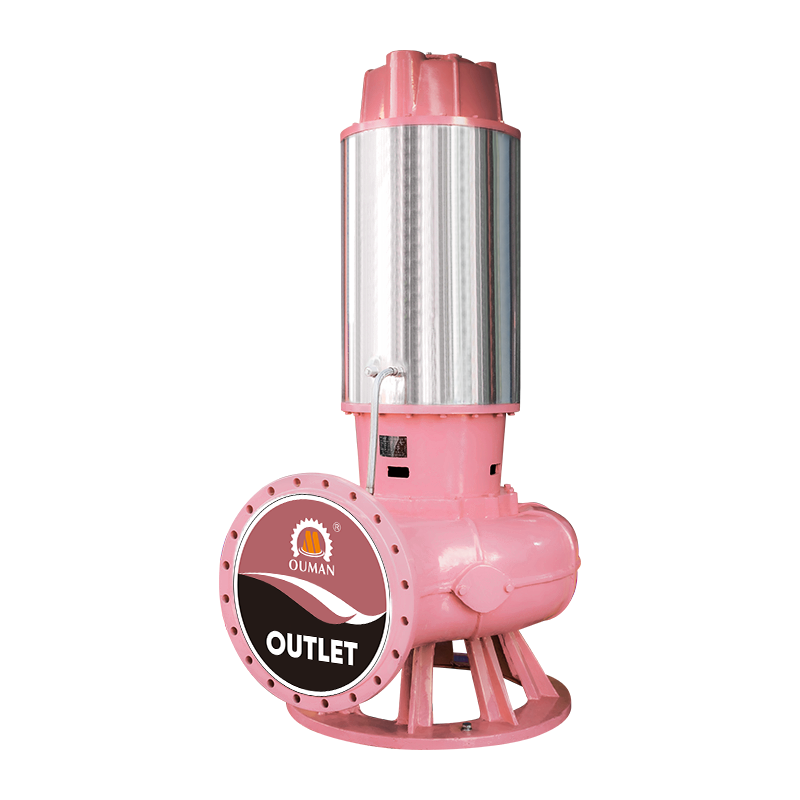
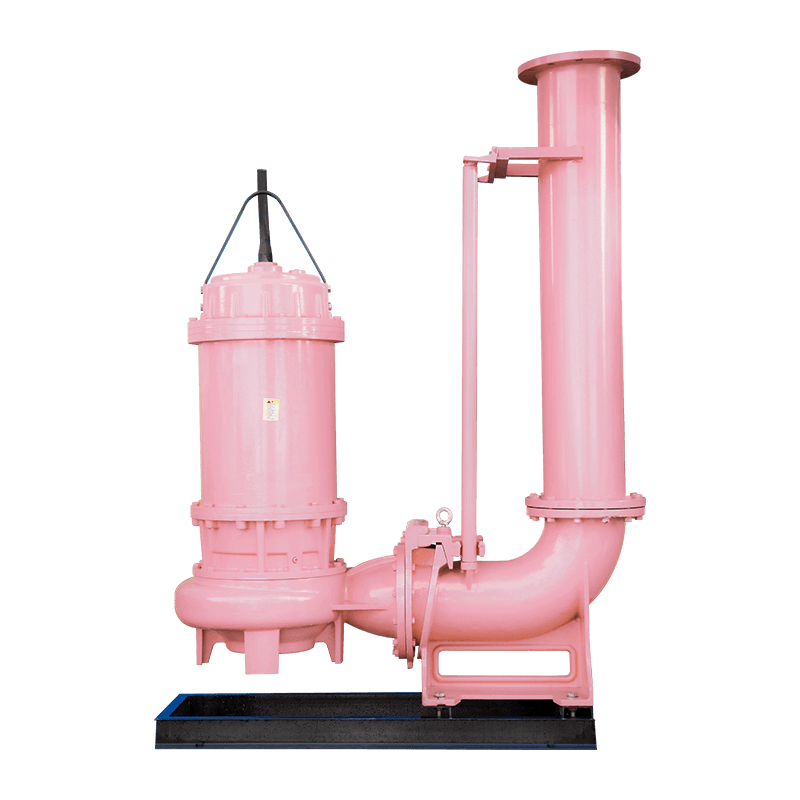
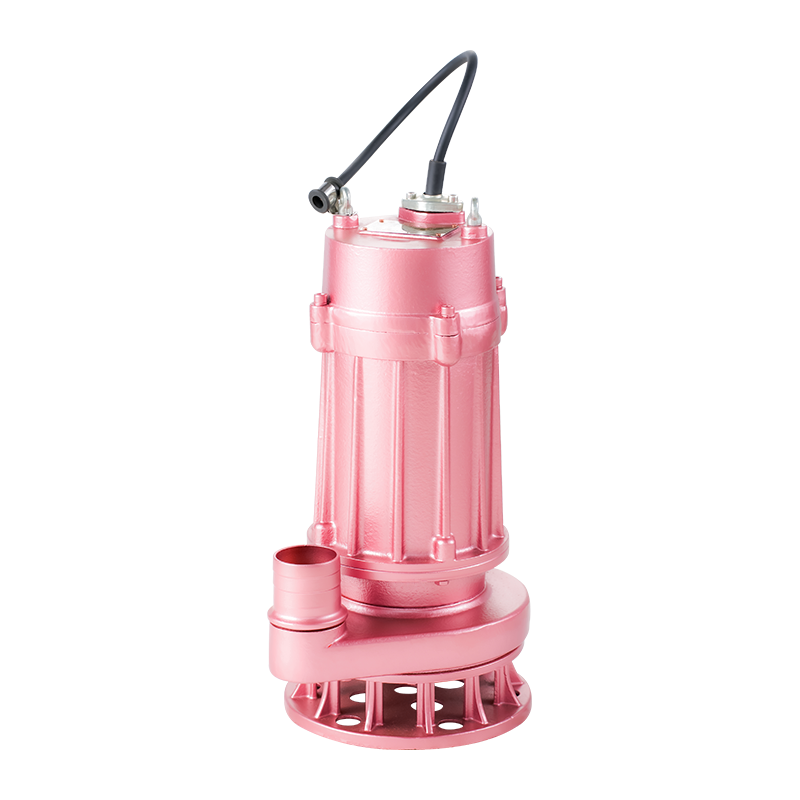
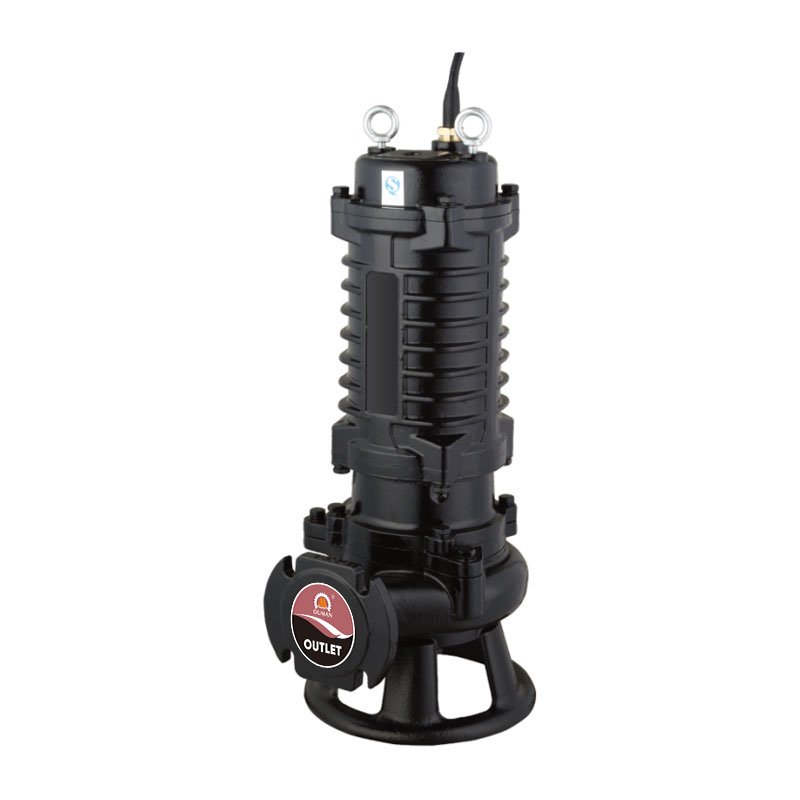
The WQ Corrosion Resistant Sewage Pump from OUMAN Mechanical & Electrical Co., Ltd. is designed for reliable operation in aggressive wastewater environments. It features a pump casing and impeller constructed from corrosion-resistant materials such as stainless steel or specialized alloys, enabling it to handle acidic, alkaline, or saline sewage flows containing solids and abrasive particles. The submersible design with a sealed motor and dual mechanical seals ensures safe and continuous underwater operation. Ideal for industrial plants, chemical processing facilities, marine outfalls, and municipal wastewater applications, this pump delivers durable, clog-resistant performance for demanding drainage and transfer tasks.