
 Eng
Eng  English
 русский
 عربى
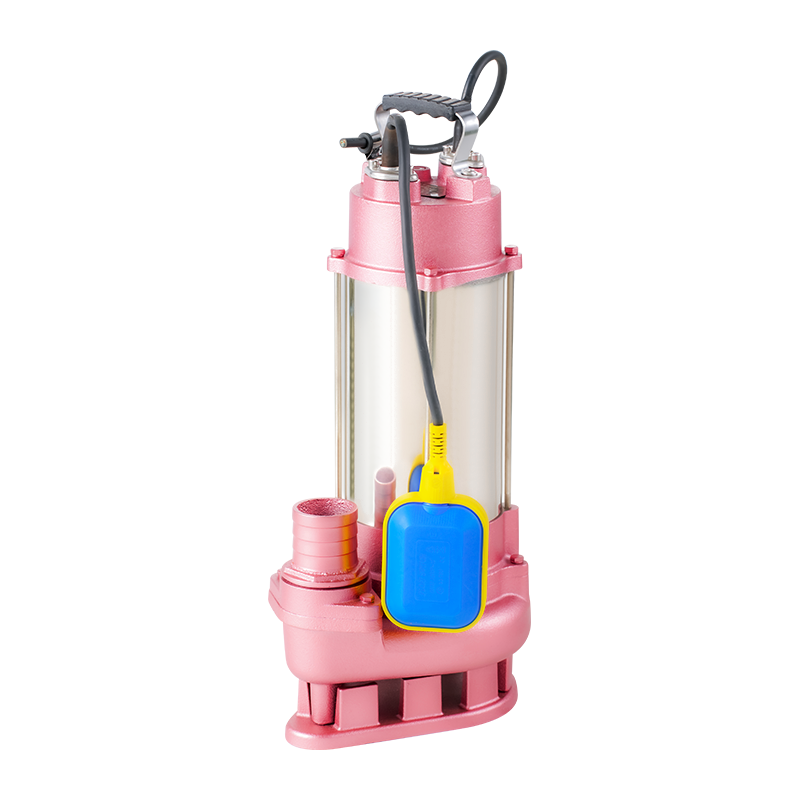
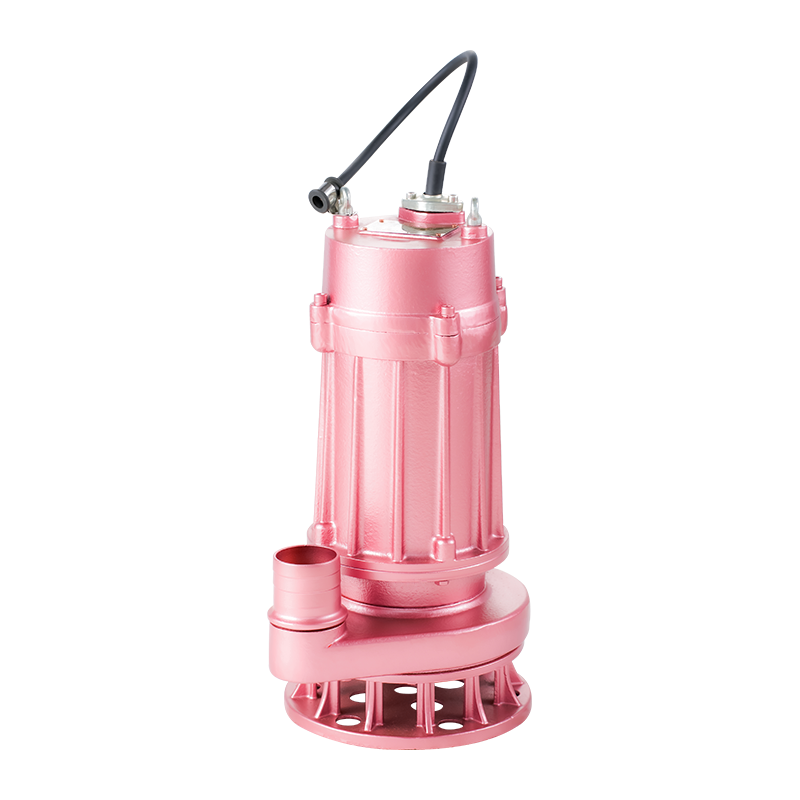
عربىAcross homes, laboratories, and light industrial settings, the demand for reliable, compact solutions for fluid movement is being met by a versatile category of equipment: the small submersible water pump. These compact, immersible devices are engineered to handle a wide range of liquids quietly and efficiently, making them indispensable for tasks where space, noise, and precise control are important considerations. The growing market for these pumps is driven by trends in home automation, aquarium and pond keeping, and small-scale DIY projects, highlighting their role as a fundamental component in both leisure and light-duty professional environments. Understanding the small submersible water pump involves exploring its technical classifications, the key specifications that guide selection, and its broad spectrum of practical uses.
What Are the Different Types and Core Technologies?
The small submersible water pump market is segmented by power source and motor design, each suited to specific needs. A dominant category is the low-voltage direct current (DC) small submersible water pump, commonly operating at 3V, 5V, 12V, or 24V. These models are favored for their safety, energy efficiency, and compatibility with batteries, solar panels, or standard power adapters, making them ideal for portable or off-grid applications. In contrast, alternating current (AC) models plug directly into mains power, often delivering higher flow rates for more demanding continuous-duty tasks. Technologically, motor construction is critical for durability. While many basic pumps use simple sealed units, more robust versions employ oil-filled or resin-encapsulated motors. This design better dissipates heat and protects internal components from moisture ingress, significantly extending the operational life of the small submersible water pump in challenging conditions, an important factor for users requiring dependable, long-term performance.
What Key Performance Parameters Guide Selection?
Selecting the correct small submersible water pump hinges on interpreting a few essential performance metrics. The foremost are flow rate and head pressure. Flow rate, often measured in liters per hour or gallons per minute, indicates how much liquid a small submersible water pump can move. For a typical desktop fountain, a pump with a flow of 200 to 400 liters per hour may be sufficient, while a larger garden pond might require a unit capable of several thousand liters per hour. Head pressure, the up to height a pump can lift water vertically, is equally crucial; a model with a 3-meter head is suitable for a tall indoor water feature, whereas draining a flooded basement may require a pump engineered for a lower head but much higher volume. Other vital parameters include the power input in watts, which correlates to energy consumption, and the construction materials—such as corrosion-resistant plastics or stainless steel—which determine compatibility with water, mild chemicals, or other fluids.
What Are the Primary Application Scenarios?
The application landscape for the small submersible water pump is remarkably diverse, spanning recreational, domestic, and technical fields. In aquatics, they are the lifeblood of home aquariums and decorative ponds, providing essential water circulation, filtration, and aeration. The DIY and maker community frequently integrates these pumps into custom projects like automated plant watering systems, computer coolant loops, or interactive art installations. Around the home, a small submersible water pump proves invaluable for practical tasks: draining water beds, dehumidifier reservoirs, or clogged sinks, and powering compact outdoor fountains. In light commercial and industrial contexts, they serve critical support roles, such as moving condensation from air conditioning systems, providing coolant for low-power machinery, or transferring liquids in small-scale processing. This wide utility underscores the small submersible water pump's role as a flexible and powerful tool for solving countless fluid-handling challenges on a manageable scale.
The small submersible water pump exemplifies how focused engineering can yield a product with extensive utility. By offering a range of technologies to suit different power and durability needs, clear performance parameters for informed selection, and adaptability to scenarios from hobbyist pursuits to essential maintenance, these pumps have secured a permanent place in the toolkit of homeowners, tinkerers, and professionals alike. As the integration of smart controls and energy-efficient designs progresses, the capabilities and applications of the small submersible water pump are likely to expand further, solidifying its importance in our increasingly automated and customized environments.
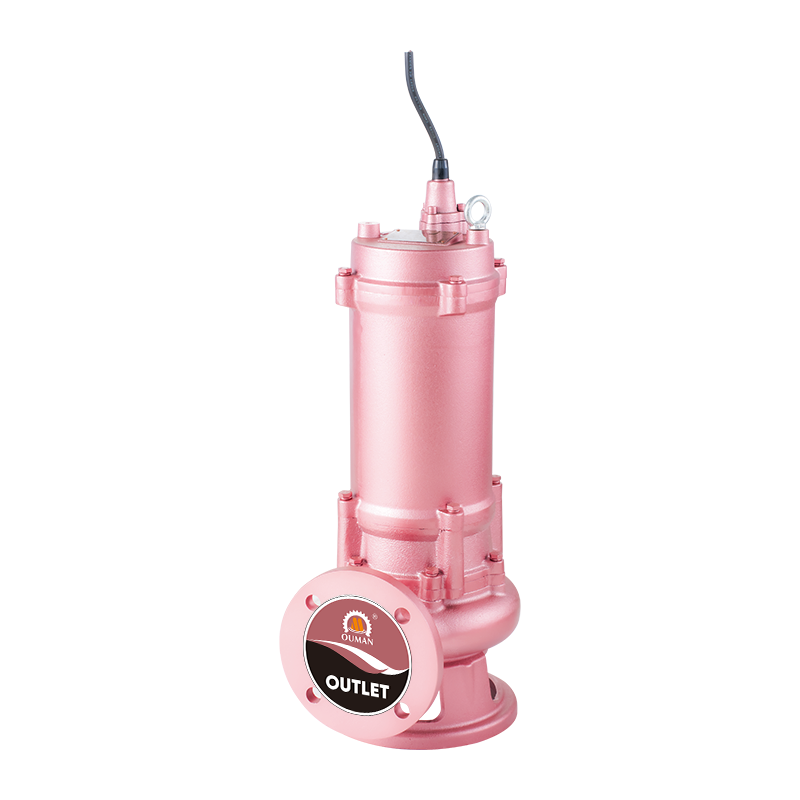
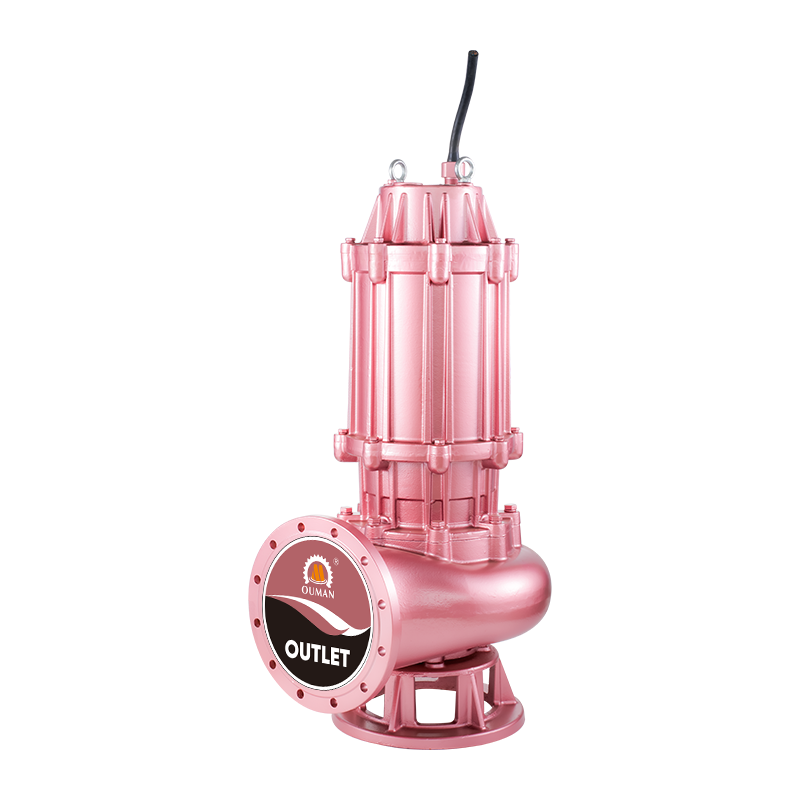
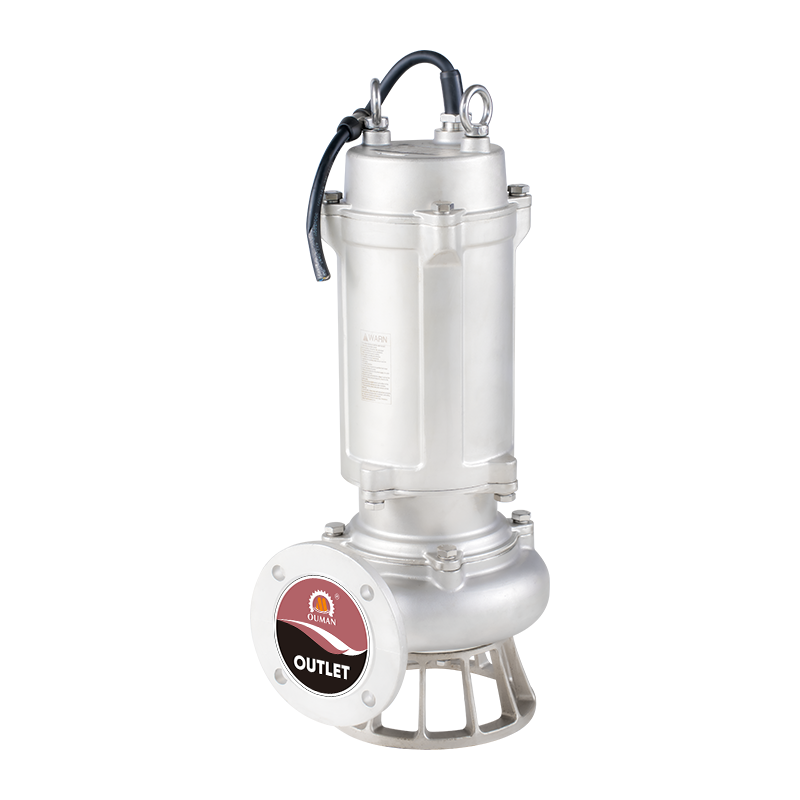
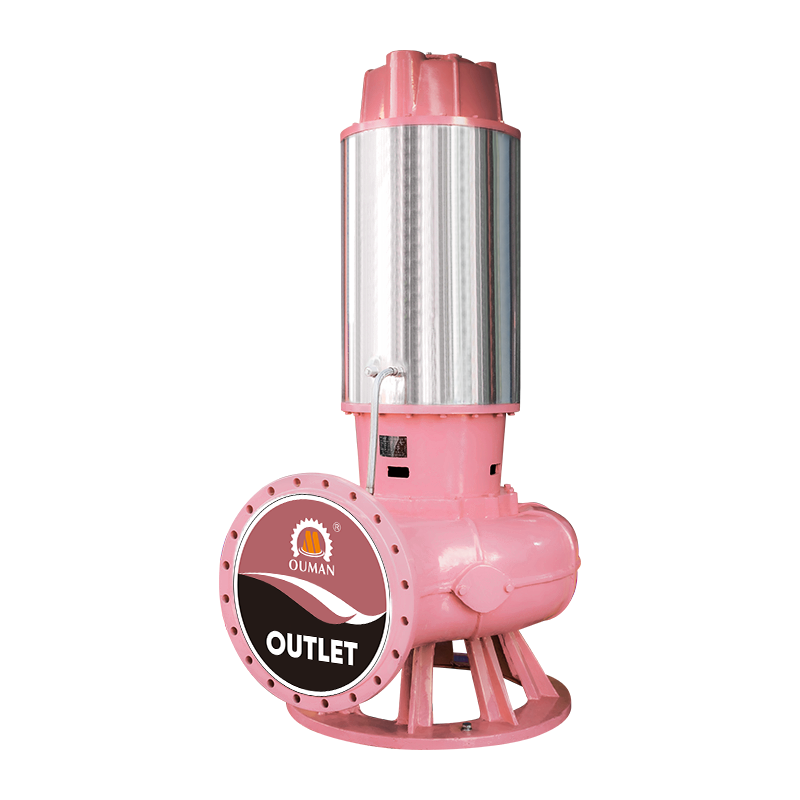
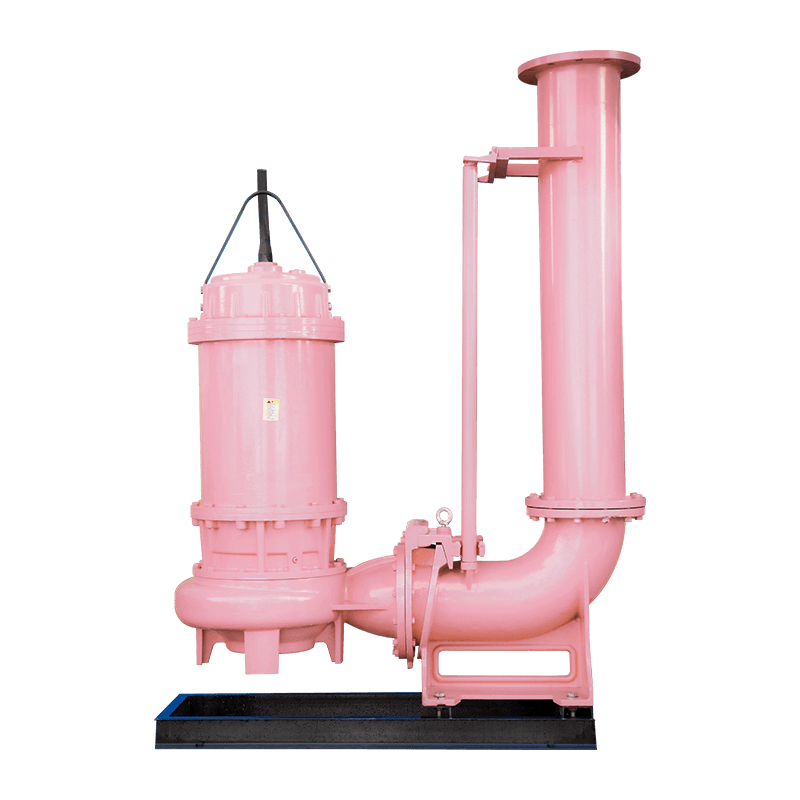
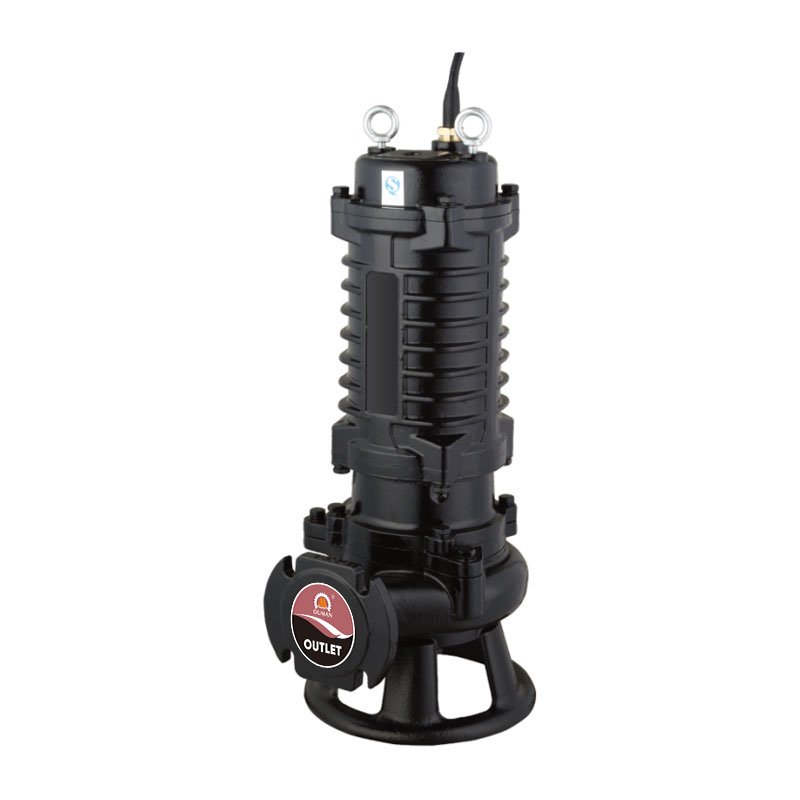
The QY Series Oil-Immersed Submersible Pump from OUMAN Mechanical & Electrical Co., Ltd. is engineered for reliable and efficient fluid handling. Its core motor utilizes a fully oil-immersed system for predominant cooling and lubrication, which effectively dissipates heat, reduces noise and vibration, and significantly enhances operational stability and service life. Featuring a compact, tightly sealed design with outstanding corrosion and leakage resistance, this pump is versatile for various applications, including construction dewatering, agricultural irrigation, municipal projects, and emergency drainage. Renowned for its durability, low maintenance, and strong adaptability, it is a robust choice for demanding, continuous pumping operations.