
 Eng
Eng  English
 русский
 عربى
عربىThe global market for submerged pumps is experiencing a period of significant activity, where the final submerged pump price paid by a consumer or industrial user is far from a simple figure. It is a complex calculation shaped by macroeconomic forces, specific engineering requirements, and the demands of diverse application sectors. Understanding the submerged pump price requires examining the interplay between broad market growth, the core technical drivers of cost, and the unique value propositions across different industries. As demand for efficient fluid management rises, the factors influencing submerged pump price have become increasingly multifaceted.
What Are the Macro Market Trends and Growth Drivers?
The foundational layer influencing the submerged pump price is the health and direction of the global market. Recent industry analyses project a robust growth trajectory, with the market valued in the billions of dollars and expected to expand at a compound annual growth rate in the mid-single digits over the coming decade. This expansion is fueled by several key drivers. Sustained investment in municipal water and wastewater infrastructure, particularly in developing economies, creates steady demand. Furthermore, the recovery of oil and gas brownfield projects and a global construction boom necessitate reliable dewatering solutions, pushing demand for industrial-grade pumps. The agricultural sector's continuous need for efficient irrigation also contributes significantly to market volume. This collective growth underpins research and development investment and production scales, which indirectly affect the baseline submerged pump price across all segments.
What Core Factors Determine the Price?
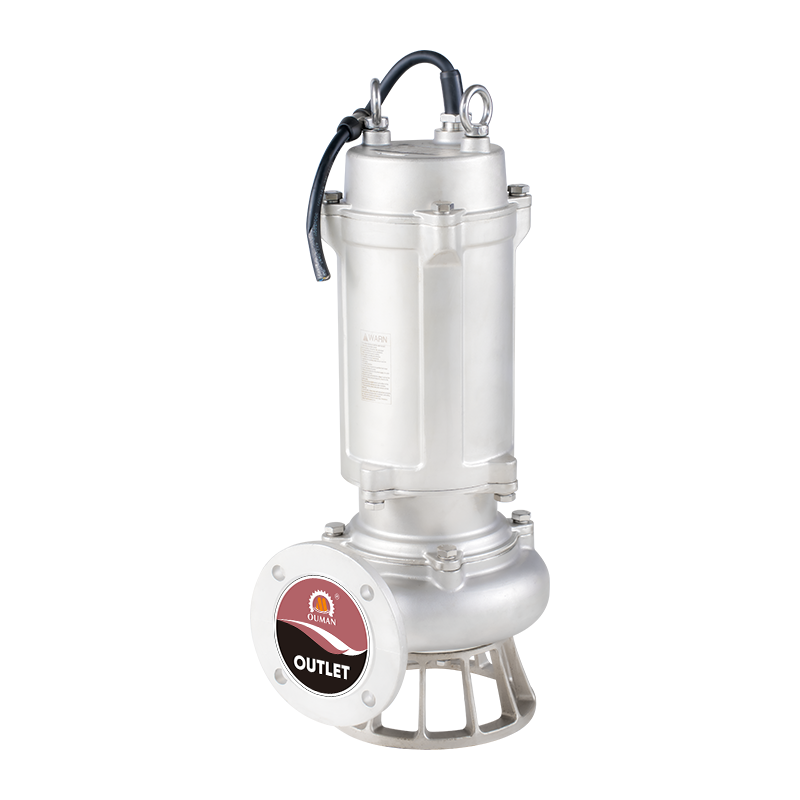
When evaluating a specific unit, the submerged pump price is directly dictated by a set of tangible engineering and material factors. The pump's power rating, measured in horsepower, and its hydraulic capacity for flow and head pressure form the primary cost foundation. A pump engineered for a 200-meter head or for handling 500 liters per minute commands a different submerged pump price than a model for a shallow well. The construction materials are equally critical; pumps built with stainless steel, bronze, or advanced polymers for corrosion and abrasion resistance carry a higher submerged pump price than those using standard cast iron. Additionally, the technological features integrated into the pump, such as advanced seals, thermal protection sensors, and compatibility with variable frequency drives for energy savings, add layers of cost and value. The complexity of manufacturing these high-specification components is a direct input into the final submerged pump price.
How Do Prices Vary Across Different Applications?
The submerged pump price must be contextualized within its intended application, as the cost of ownership and performance expectations vary dramatically. In the residential and domestic water sector, the submerged pump price for a deep-well unit is often evaluated against benchmarks for reliability and lifespan, with quality models designed to operate for over a decade. For agricultural irrigation, the submerged pump price is weighed against the pump's energy efficiency and its ability to deliver consistent output over large areas, where even a small percentage gain in efficiency can offset a higher initial cost over time. The many pronounced submerged pump price differentials are seen in industrial and mining applications. Here, pumps designed to handle abrasive slurries, high temperatures, or corrosive chemicals are engineered with premium materials and robust designs. While their upfront submerged pump price is notably higher, this is justified by the critical need to less downtime and maintenance in continuous, high-stakes operations, making the total cost of ownership the more relevant metric than the purchase price alone.
The submerged pump price is a variable deeply connected to global industrial activity, precise engineering choices, and sector-specific operational demands. A purchaser's focus is gradually shifting from evaluating solely the initial submerged pump price to considering the total lifecycle cost, which includes energy consumption, maintenance intervals, and operational reliability. As the market continues to grow and technology advances with a focus on smart monitoring and energy savings, the factors that determine and justify the submerged pump price will only become more sophisticated, rewarding pumps that deliver long-term value beyond the initial invoice.
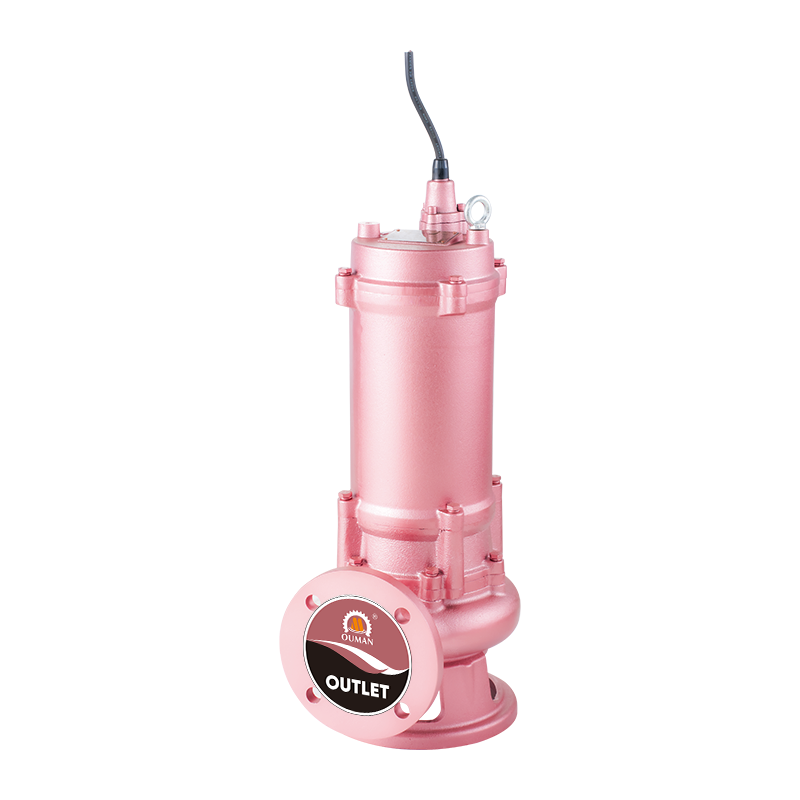
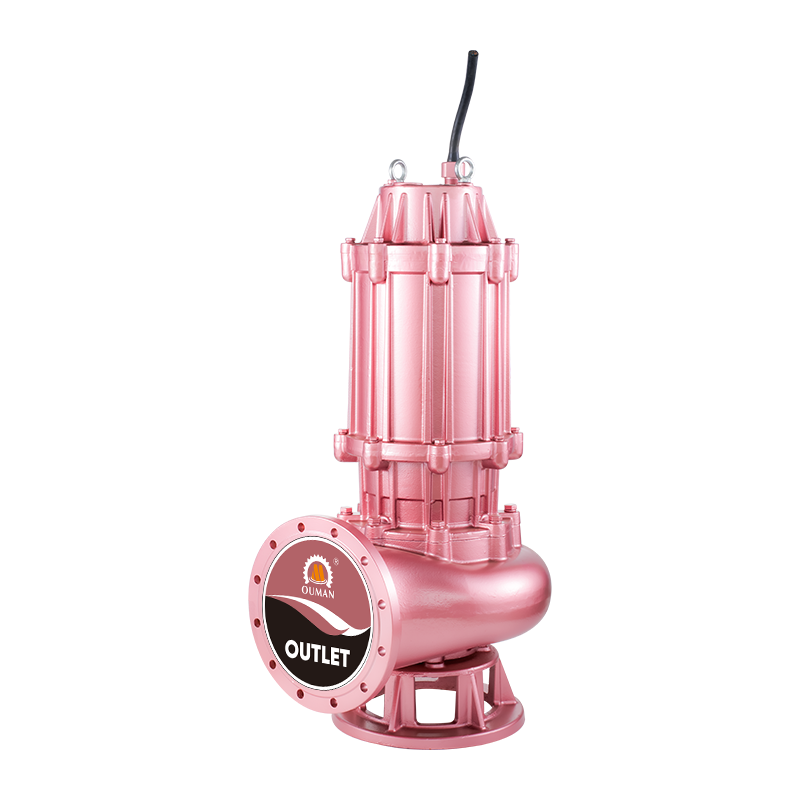
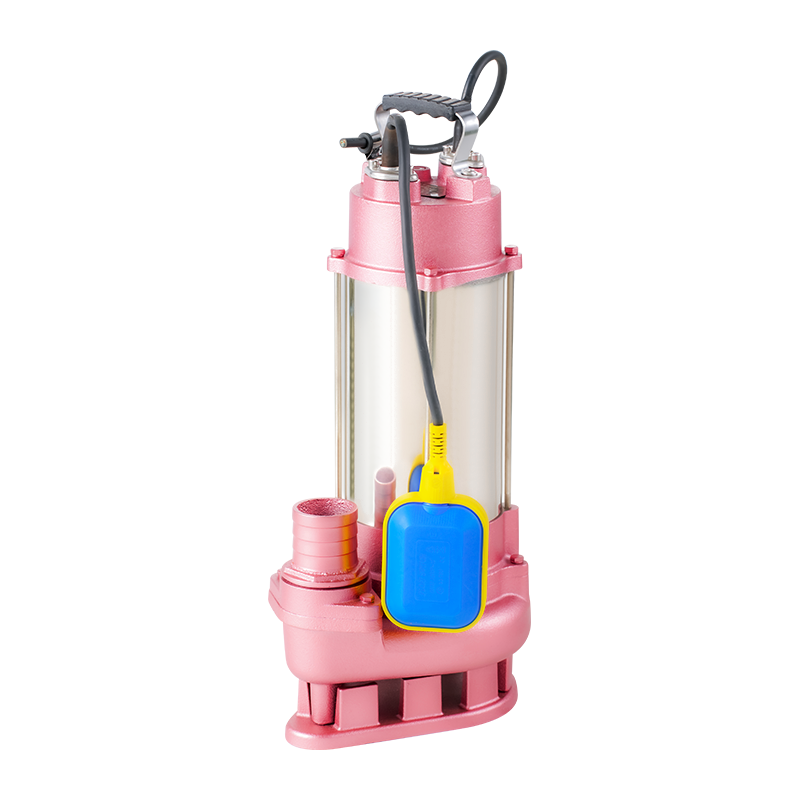
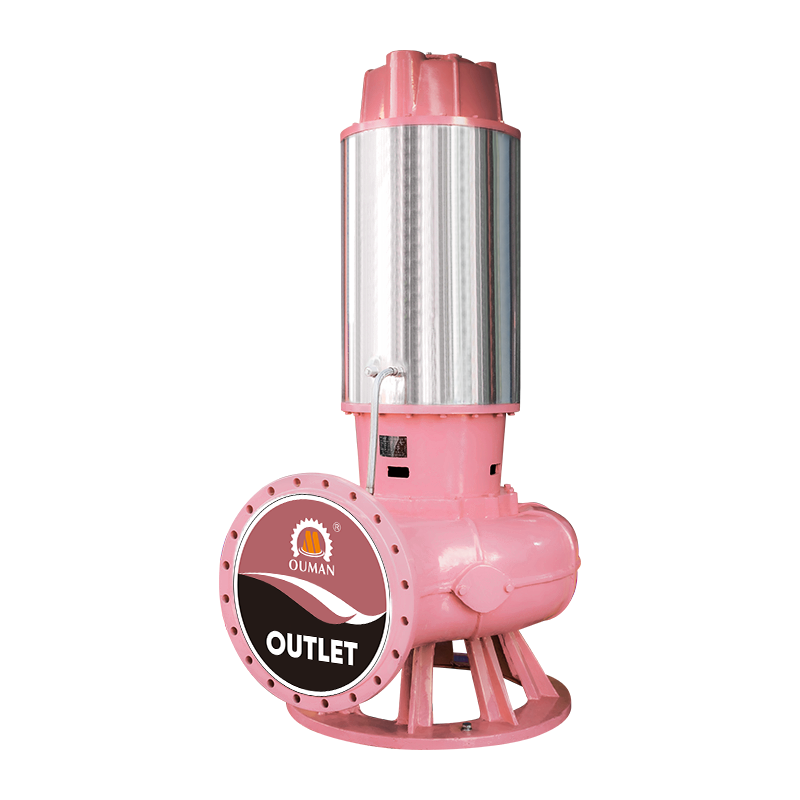
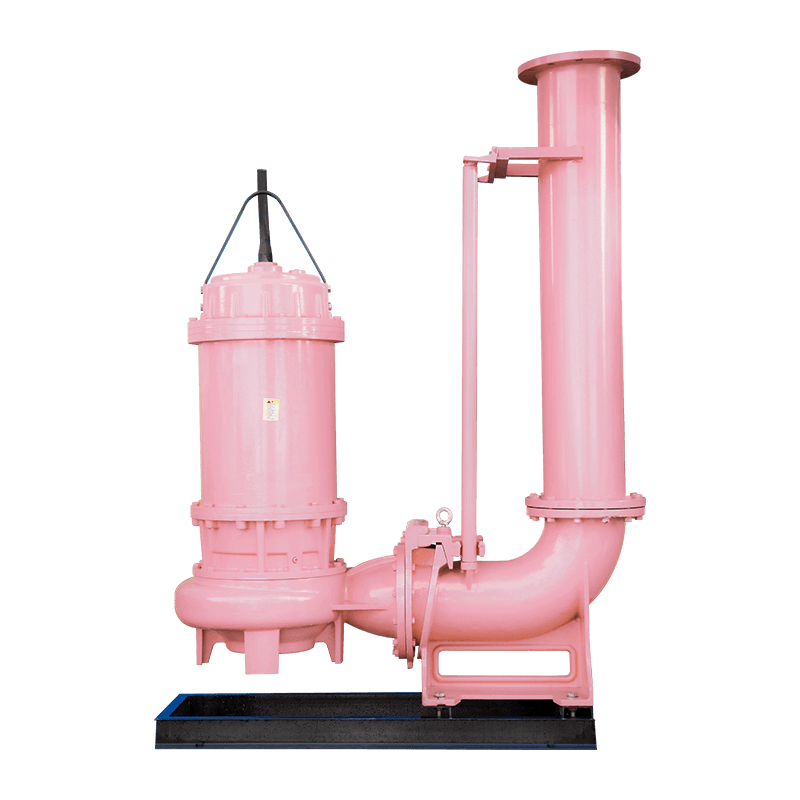
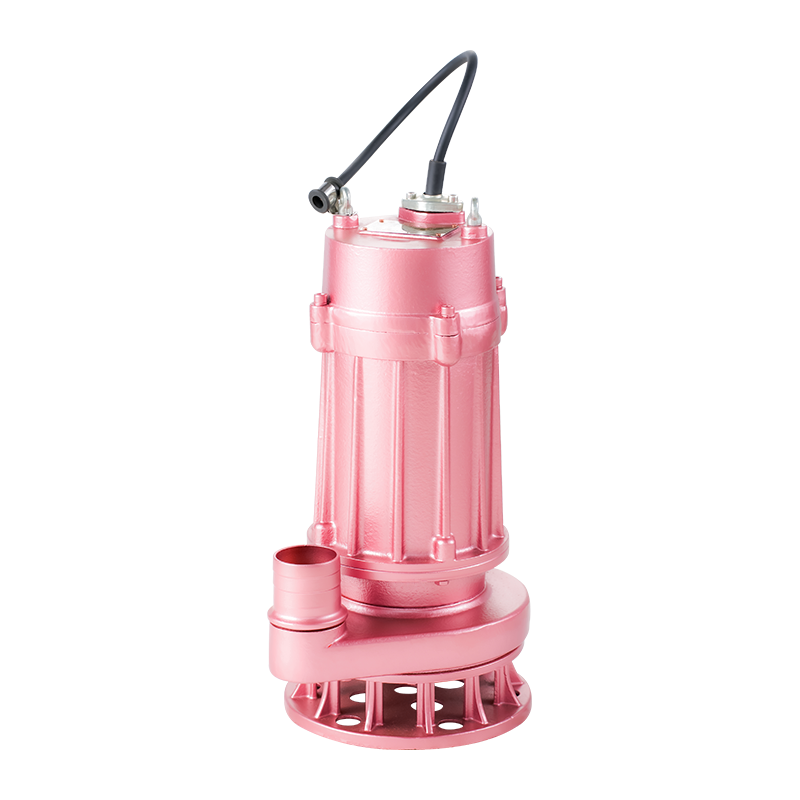
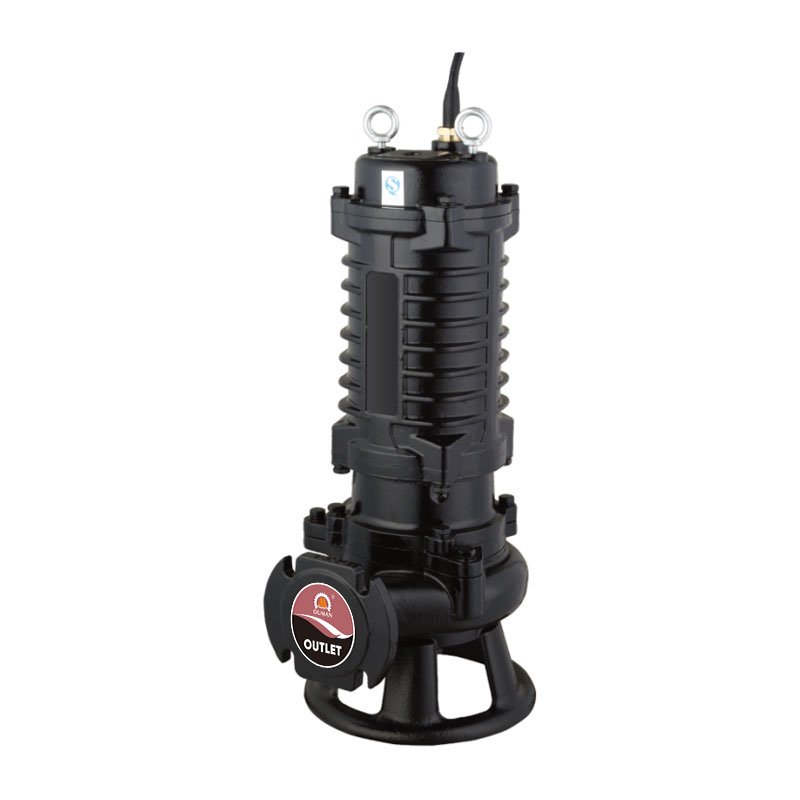
OUMAN Mechanical & Electrical Co., Ltd. offers a highly efficient Permanent Magnet Submersible Pump designed for reliable performance in demanding applications. Utilizing advanced permanent magnet motor technology, this pump achieves greater energy efficiency and a more compact design compared to traditional models. It is engineered for durability in submerged conditions, making it suitable for deep-well water extraction, agricultural irrigation, and industrial fluid transfer. Its robust construction ensures long service life with small maintenance, providing a cost-effective and sustainable pumping solution for various operational needs.