
 Eng
 English
 русский
 عربى
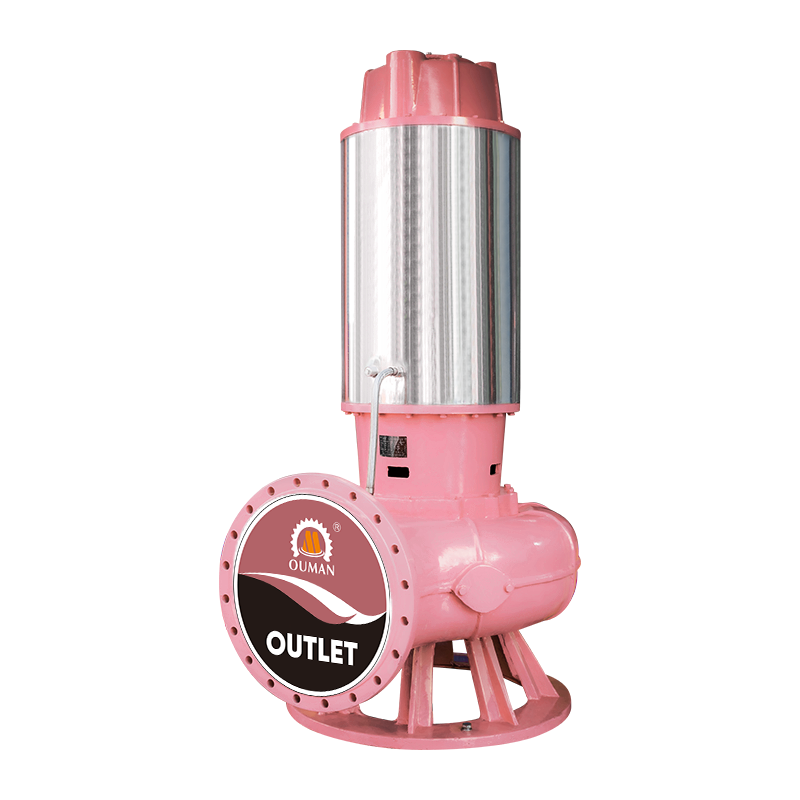
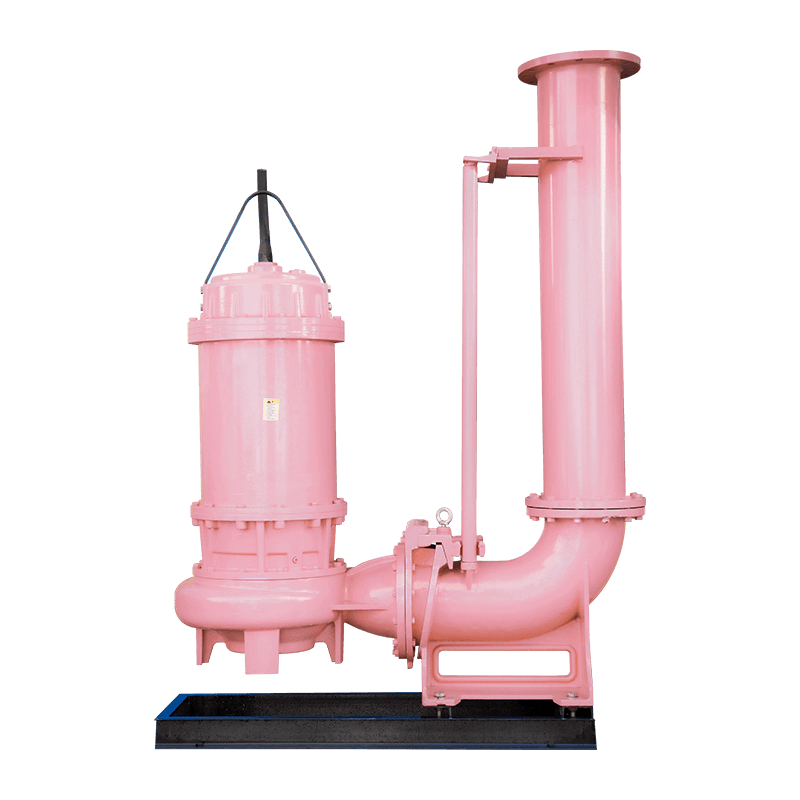
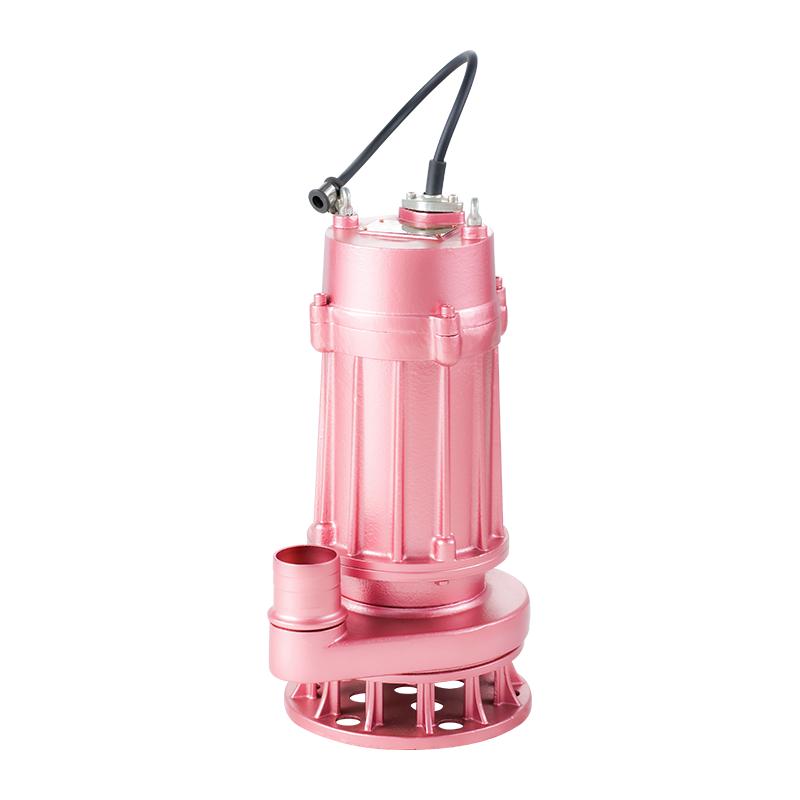
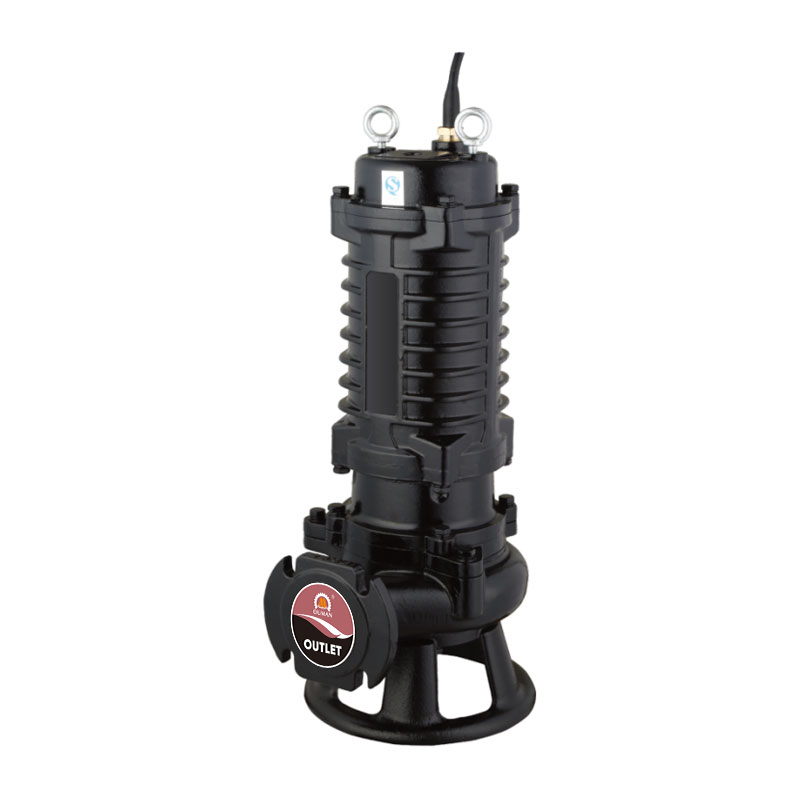
Pump designs often look similar from the outside, but their internal structures determine how they handle different liquids. In wastewater equipment, a cutting mechanism adds a specific function to the pumping assembly. The SMWK Pipeline Cutting Pump combines a centrifugal pump structure with a cutting head, making it suitable for sewage containing certain fibrous and flexible waste materials.
For distributors and engineering companies, understanding the construction of this series helps clarify what distinguishes it from a conventional pump. Its impeller design, cutter material, sealing arrangement, and range of available models are all relevant when reviewing the product for a project.
An Open Single-Blade Impeller
One of the defining features of the SMWK Pipeline Cutting Pump is its open single-blade impeller. Unlike a design intended only to move relatively clean water, this configuration works alongside the cutting mechanism to handle suitable wastewater containing materials such as long fibers, plastic strips, and toilet paper.
These materials can become troublesome when they remain intact and interfere with the flow passage. The cutting assembly is designed to cut or tear suitable waste, helping the pump maintain a clear passage during operation within its intended conditions.
The cutter head uses an alloy steel knife, according to the product documentation. This component is central to the cutting function and distinguishes the series from pump designs that rely on fluid movement alone. The exact performance still depends on the material entering the pump and the specified operating conditions; the cutting structure should not be interpreted as suitable for every kind of solid waste.
Three Main Parts in One Assembly
The SMWK Pipeline Cutting Pump consists of three main parts: the water pump, the sealing arrangement, and the electric motor. The motor connects directly to the pump, forming a compact assembly driven by a three-phase asynchronous motor.
The product uses a single-end mechanical seal between the pump and motor. An oil-resistant O-shaped rubber ring provides static sealing at the joint between the pump body and cover. These components serve different sealing functions within the assembly and are part of the product's overall construction.
For equipment suppliers, identifying these details is useful when reviewing technical documents or comparing pump configurations. A complete assessment should consider the pump structure and its stated operating conditions rather than relying on the cutting feature alone.
A Range of Flow, Head, and Power Combinations
The SMWK series is available in multiple configurations rather than one fixed specification. Published models include outlet sizes from 50 mm to 200 mm, with different combinations of rated flow, head, and motor power.
For example, the listed range includes the 50SMWK10-10-0.75 model, rated at 10 m³/h flow and 10 m head with a 0.75 kW motor. At the larger end of the range, the 200SMWK350-45-75 model is listed at 350 m³/h, 45 m head, and 75 kW. These examples illustrate the breadth of the series; they are not interchangeable operating points.
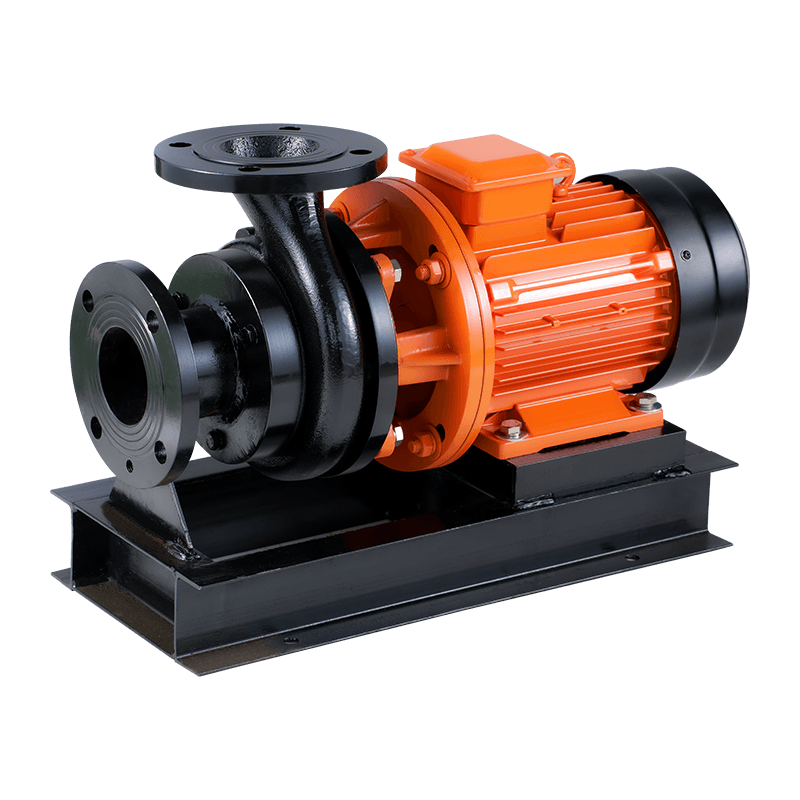
The SMWK Pipeline Cutting Pump range allows a project to be reviewed against its required performance rather than assuming that every unit has the same capacity. The model designation and technical table should be checked together to confirm the relevant outlet size, flow, head, and power.
When preparing quotations for overseas projects, distributors can use these published specifications to narrow down suitable configurations before confirming the final model with the manufacturer.
Operating Conditions Remain Important
Although the cutting mechanism is designed to handle selected solids, the pump must still operate within its specified limits. The product documentation sets the solid-impurity volume ratio at no more than 2%, the medium temperature at no more than 40°C, and the pH range at 4–10. It also specifies a three-phase, 50 Hz, 380 V power supply, with allowable voltage fluctuation between 0.9 and 1.1 times the rated voltage.
These conditions form part of the technical definition of the SMWK Pipeline Cutting Pump. Wastewater with a different chemical composition, a higher solid content, or an incompatible temperature should be reviewed with the manufacturer before the equipment is selected.
The stated operating head also matters. A cutting mechanism does not eliminate the need to match the pump's performance to the installation. Checking the complete technical specification helps prevent the product from being selected on the basis of outlet diameter or motor power alone.
Reviewing the Product for a Project
The SMWK Pipeline Cutting Pump is a specialized option for sewage transfer where suitable fibrous or flexible materials may create blockage concerns. Its open single-blade impeller, alloy steel cutter head, direct motor connection, and defined sealing arrangement provide a clear picture of its basic design.
The series also offers multiple rated configurations, allowing project requirements to be compared with published technical data. Before confirming an order, the intended medium, required performance, outlet size, and power supply should be checked against the relevant model specification.
For pump distributors and engineering contractors, a clear understanding of the SMWK design makes product evaluation more precise. The appropriate configuration is the one that combines the required cutting function with the correct operating parameters for the intended application.