
 Eng
Eng  English
 русский
 عربى
عربىA pump housing that rusts from the inside out rarely announces itself until output starts dropping, and by then the mineral buildup and internal pitting have usually already reduced efficiency for months. A JET Stainless Steel Jet Pump avoids this failure mode by using corrosion-resistant material on the components that stay in constant contact with well water, rainwater, or tank water, rather than relying on a coating that wears through over years of continuous cycling. Buyers replacing an older pump after repeated seal failures are frequently dealing with exactly this kind of internal corrosion, even when the original symptom looked like a simple mechanical wear issue.
Why Stainless Construction Matters on a Jet Pump Specifically
A jet pump draws water through suction rather than being submerged like a well pump, which means its internal components are exposed to whatever minerals, sediment, or acidity the source water carries every time it runs. A JET stainless steel jet pump built with stainless internals holds up against this exposure far longer than a pump using painted cast iron or standard steel, since stainless steel resists the pitting corrosion that gradually erodes pump efficiency and eventually causes leaks at pump housing seams. Buyers sourcing pumps for well water with higher mineral content or slightly acidic pH should treat stainless construction as a requirement rather than an upgrade option.
Quiet Operation Matters More Than Buyers Expect
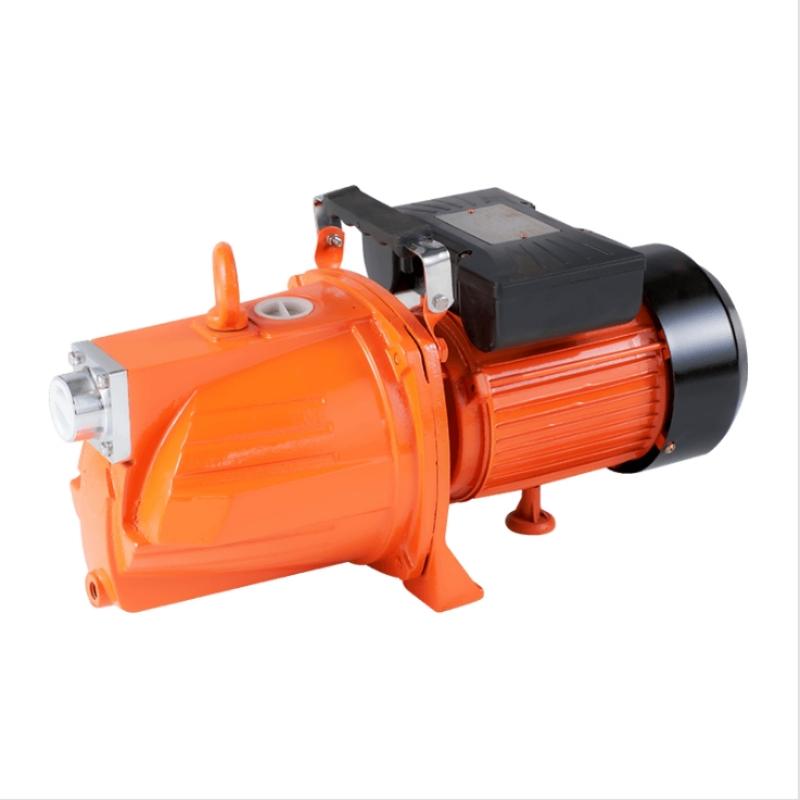
Noise is not usually the detail a buyer thinks to check on a JET stainless steel jet pump, yet it becomes the loudest complaint once the unit is running inside a finished basement. A quiet operation water pump design reduces the mechanical noise transmitted through walls and floors, which matters directly for residential installations where the pump sits in a basement, utility closet, or attached garage near living space. The JET stainless steel jet pump achieves this through internal design choices around impeller balance and motor mounting rather than through added external sound insulation, which keeps the unit compact instead of adding bulk just to dampen noise. Buyers installing pumps in residential settings should ask a supplier for a decibel rating rather than relying on a general claim of quiet operation, since the actual noise level varies meaningfully between models marketed with similar language.
Adjustable Pressure Settings for Varied Applications
An adjustable pressure pump configuration lets the same base unit serve irrigation, residential water supply, and light commercial pressure boosting without requiring a separate model for each use case, which simplifies both manufacturing and inventory for a supplier serving varied markets. The JET stainless steel jet pump includes this adjustability as a standard feature, giving installers the ability to match output pressure to the specific plumbing system or irrigation zone rather than working around a fixed factory setting. Buyers should confirm the adjustable range covers their actual application before assuming a single model fits every job on a distribution order.
Impeller Design and Suction Performance
The impeller inside a JET stainless steel jet pump determines how efficiently the unit converts motor power into usable flow, and a poorly balanced or incorrectly pitched impeller wastes energy without a corresponding gain in output. Suction lift performance depends heavily on this impeller design working correctly with the pump's internal jet assembly, since the jet mechanism is what creates the pressure differential that draws water up from a shallow well before the impeller moves it onward through the system. Buyers comparing suction lift specifications across suppliers should ask whether the figure was tested at the pump's rated flow or only under an ideal laboratory condition that rarely matches field installation.
Manufacturing Control Behind Consistent Performance
A factory producing its own JET Stainless Steel Jet Pump units typically tests each unit for pressure output and overload protection function before packing, since a pump that fails to trip its overload protection under a blocked or dry-run condition risks motor damage that a buyer would otherwise blame on the installation rather than the component itself. Buyers placing bulk orders for distribution should ask whether this testing happens on every unit or only on a sample pulled from each batch, since the difference affects how confidently a distributor can stand behind the product once it reaches an end customer. Certification for motor safety and material compliance should also be confirmed before a large order ships, since this documentation is what protects a buyer during any warranty dispute that surfaces after installation.