
 Eng
Eng  English
 русский
 عربى
عربىA distributor stocking a single pump model for every inquiry that comes in eventually learns the hard way that one configuration cannot cover a well, a construction site, and a commercial water tower at the same time. Choosing a high performance pump for a specific job starts with two numbers a surprising number of buyers underweight during sourcing: the total head the pump has to overcome and the flow rate the application actually needs, since a pump mismatched on either figure either starves the system or wastes energy running far past what the job requires.
Matching Pump Type to the Application
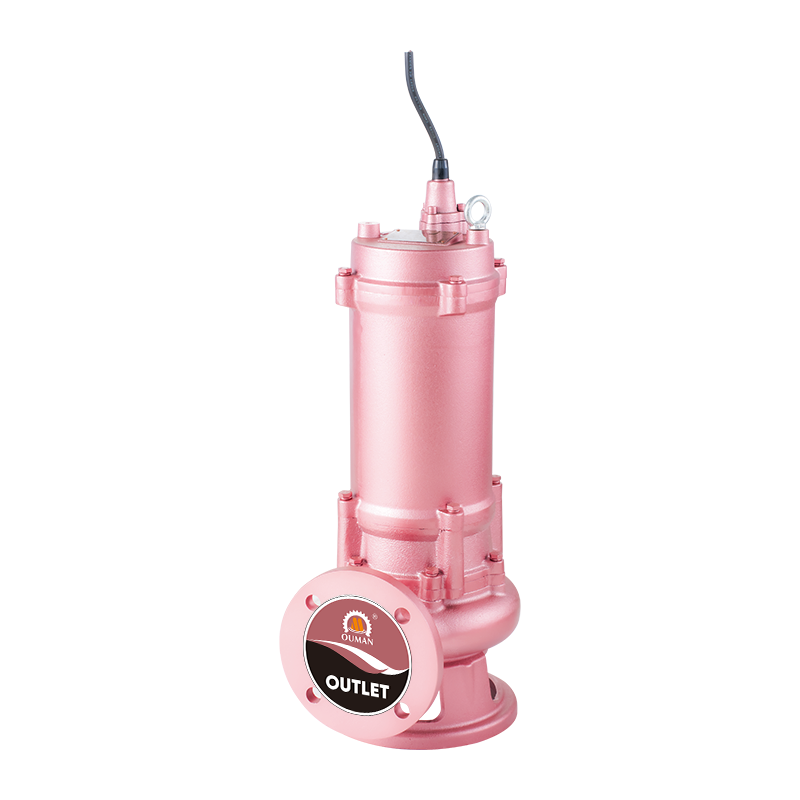
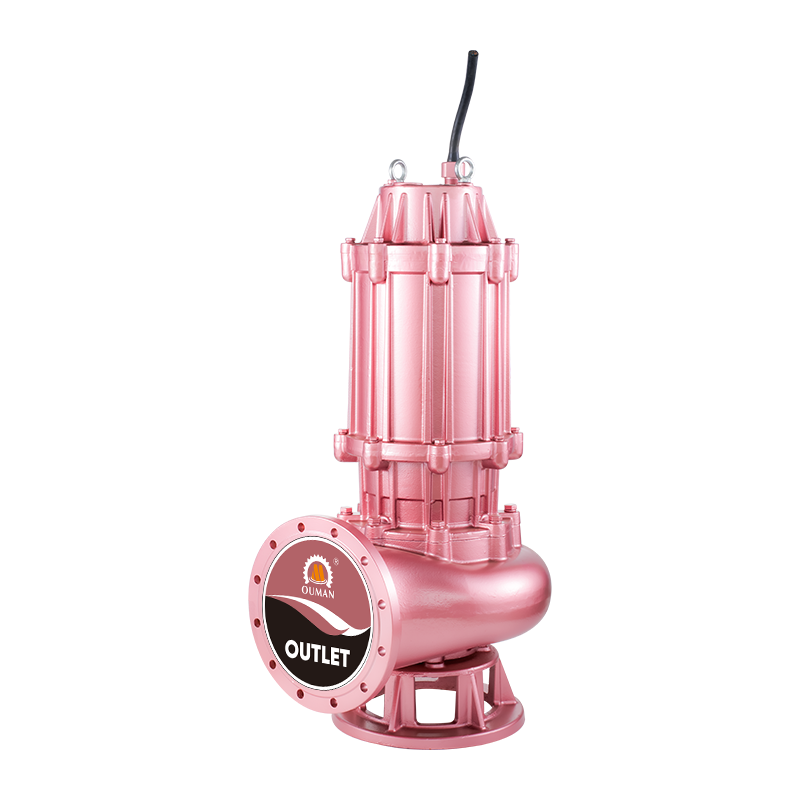
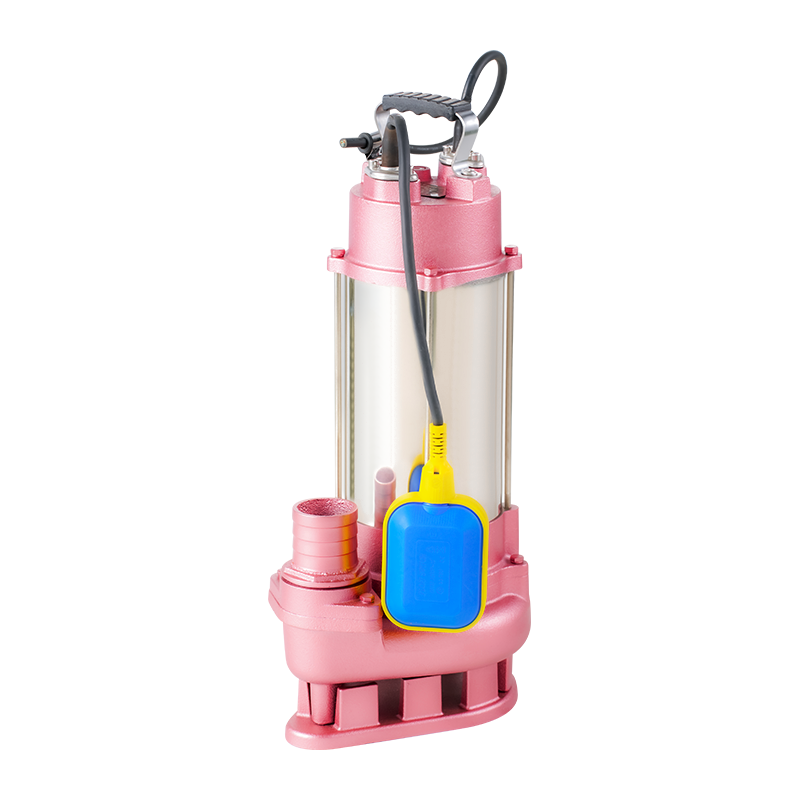
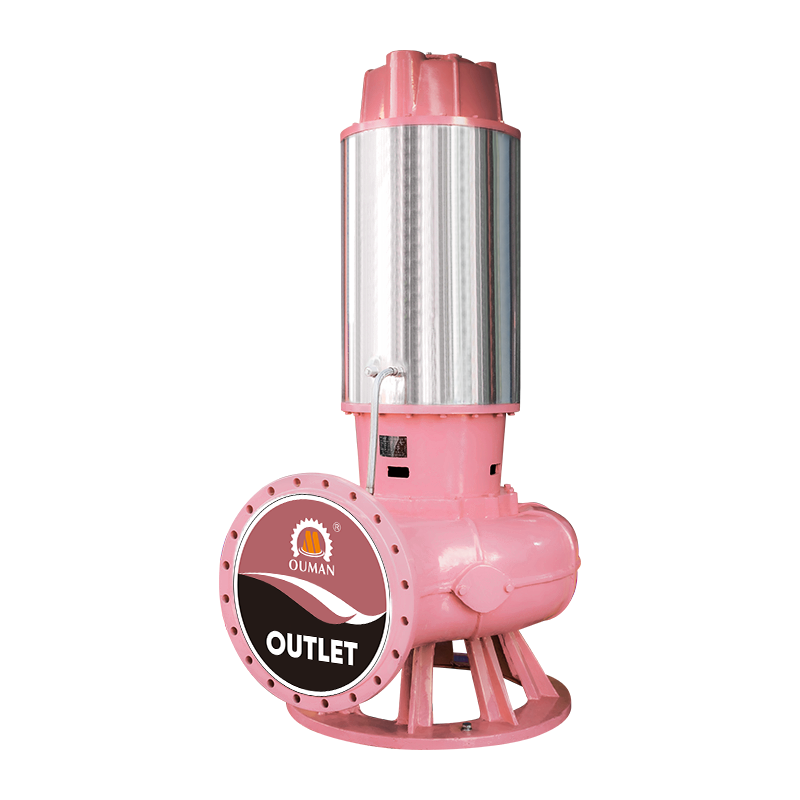
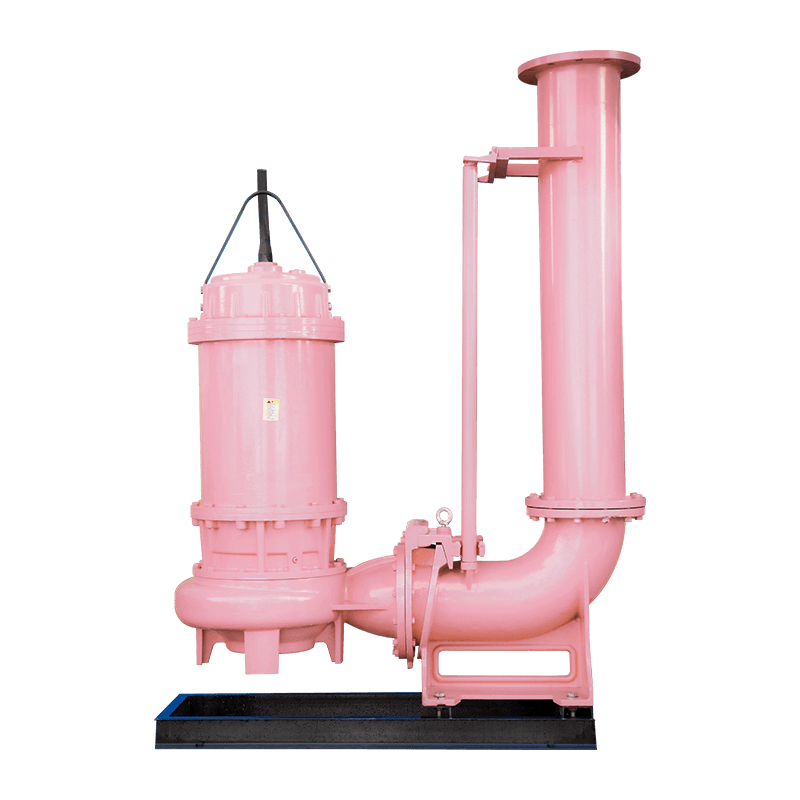
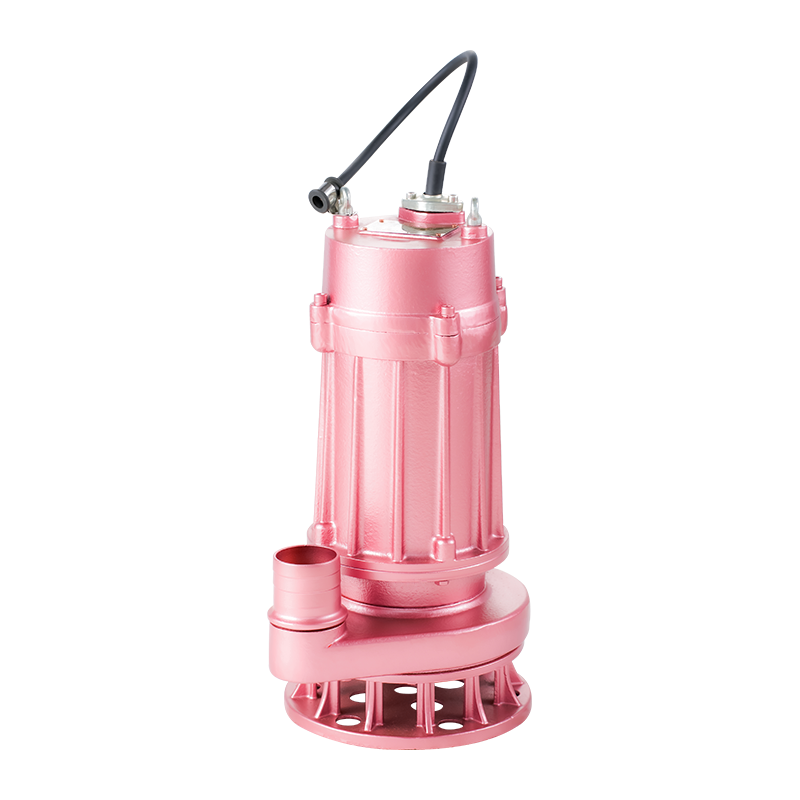
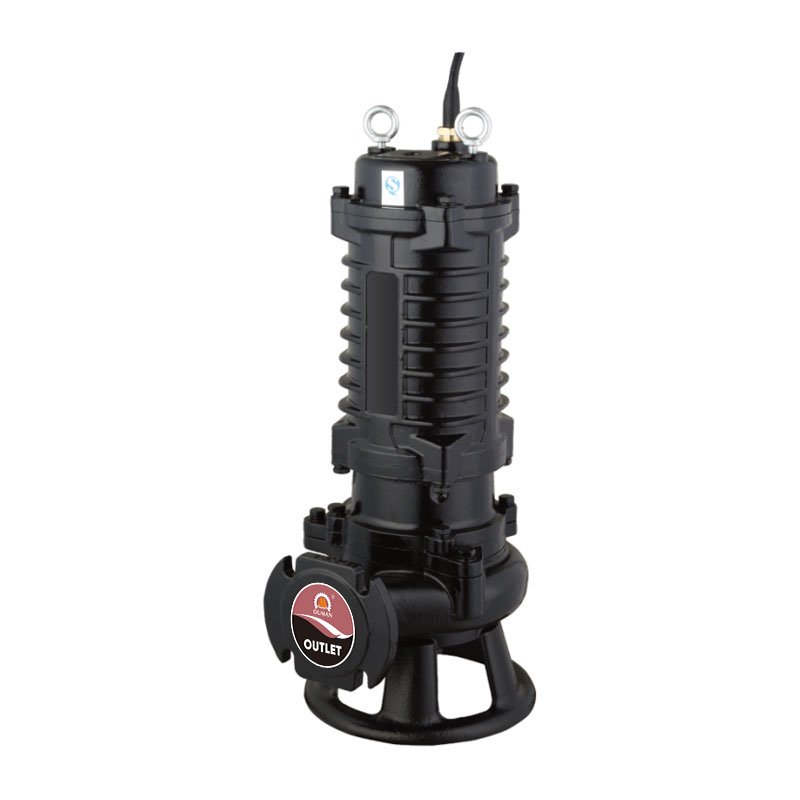
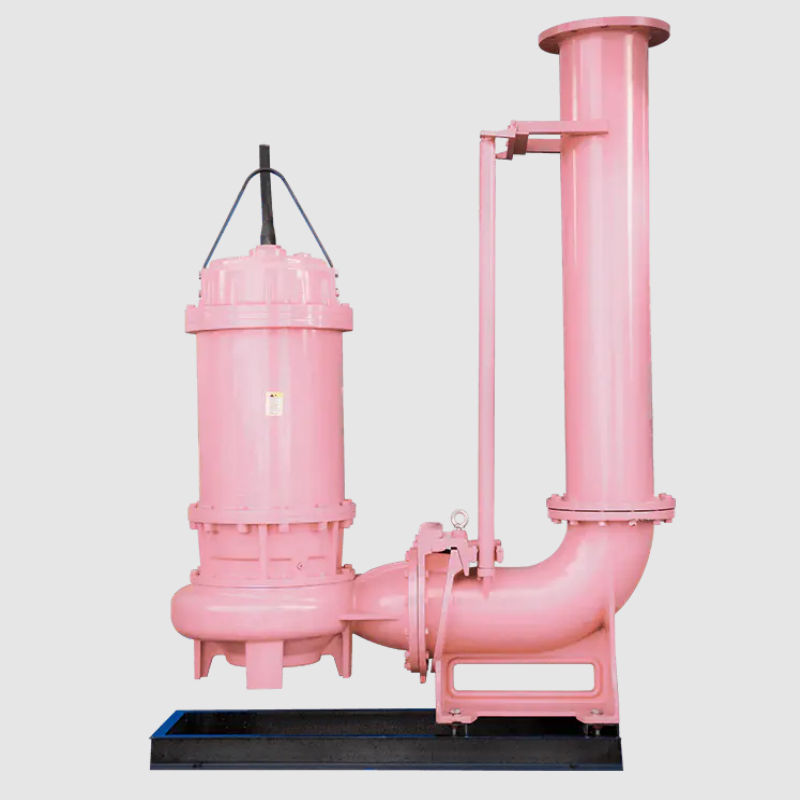
Not every high performance pump on a supplier's catalog is built the same way internally, even when two models list similar horsepower ratings. A submersible pump handles debris-laden water differently than a jet pump drawing from a shallow well, and a multistage centrifugal design suited for high-pressure commercial boosting behaves nothing like a sewage pump built to pass solids. Buyers comparing quotations across pump types should confirm which internal design actually fits the fluid and pressure conditions on site, rather than defaulting to whichever model carries the headline horsepower number.
|
Pump Type |
Recommended Condition |
Head and Flow Behavior |
|
Submersible pump |
Wells, sumps, drainage with debris |
Steady flow at moderate head |
|
Jet pump |
Shallow wells, residential water supply |
Good suction lift, moderate flow |
|
Multistage centrifugal |
High-pressure boosting, tall buildings |
High head, controlled flow |
|
Sewage pump |
Wastewater with solids |
Lower head, built for clog resistance |
Corrosion Resistant Pump Body Construction
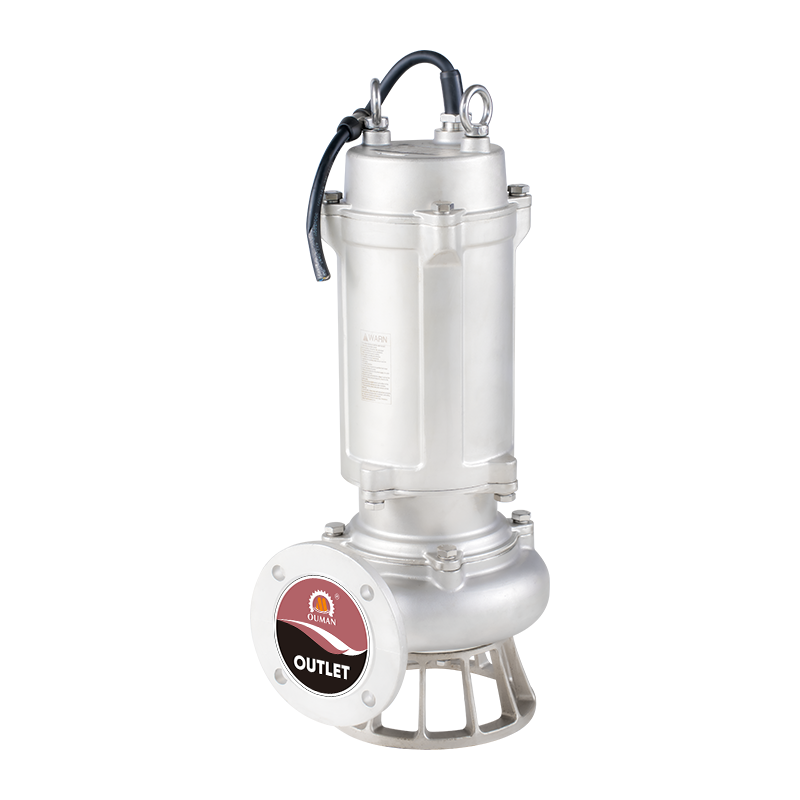
A corrosion resistant pump body matters more on a high performance pump running continuously than on one used occasionally, since constant exposure to water, minerals, and in some cases chemical additives accelerates wear on internal components not built for that environment. Stainless steel construction resists pitting and corrosion far longer than a coated carbon steel body, particularly in wells or industrial settings where water chemistry is harder to control. Buyers specifying equipment for a long-term installation should ask directly which grade of stainless steel is used on wetted components, since this detail affects service life more than almost any other single spec on the datasheet.
Reading the Pump Head and Flow Curve Correctly
A pump head and flow curve published by a manufacturer shows how the flow rate drops as the pump works against increasing pressure, and buyers who only look at the peak flow number at zero head often end up disappointed once the pump is installed against real system resistance. A high performance pump selected without checking this curve against the actual elevation change, pipe friction, and any pressure requirement downstream frequently underperforms even though it passed every spec on paper. Requesting the full curve, not just a single flow figure, is a simple step that prevents a costly mismatch after installation.
Manufacturing Consistency Across a Product Line
A factory producing its own high performance pump line typically controls impeller casting, motor winding, and seal assembly under one roof, which allows quality control checks at each stage rather than relying on incoming inspection of parts sourced from multiple outside vendors. This kind of vertical control is worth confirming directly with a supplier, since a factory that assembles from purchased sub-components can still market the finished unit as a high performance pump without disclosing how much of the build was actually made in-house. Buyers placing bulk orders across several pump types for a distribution catalog should ask how consistent the quality control process is across product lines, since a factory with strong QC on one pump series does not automatically apply the same rigor to every model it manufactures.
Certification, Customization, and Bulk Supply for Distributors
Buyers building a distribution or OEM program around a high performance pump supplier should request documentation on motor safety certification, material certification for wetted parts, and pressure testing records before committing to volume. Customization requests, such as adjusted voltage configurations for different export markets or modified pressure switch settings, are generally easier for a factory to accommodate when built into its standard production workflow rather than routed through a separate engineering request. Confirming production capacity and consistent quality across a full order of a high performance pump line, not just a sample unit, matters more for a distributor managing inventory across multiple regions than for a buyer placing a single small order.