
 Eng
Eng  English
 русский
 عربى
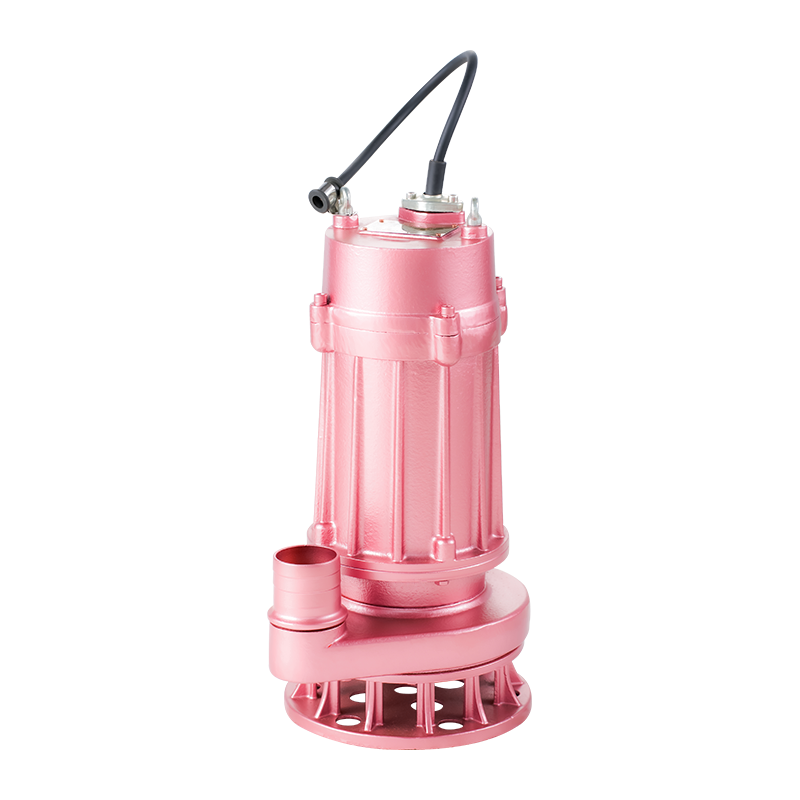
عربىA well that produces water slowly enough to strain a standard submersible unit is a common problem in rural and semi-rural properties, and it is exactly the situation a small ejector pump was designed to handle. Rather than relying purely on submerged suction, an ejector pump uses a jet nozzle and venturi effect to draw water up from a shallow or moderately deep well even when yield is limited, which makes a small ejector pump a practical fit for households and small farms working with wells that would otherwise struggle to keep a larger pump properly primed.
How the Ejector Mechanism Actually Works
A small ejector pump pulls a portion of its own discharge water back through a jet nozzle positioned near the base of the well, creating a pressure drop that draws additional water up through the venturi and into the main pump body. This recirculating design is what allows the pump to maintain suction lift performance in conditions where a straightforward centrifugal pump would lose prime, particularly on wells with a lower static water level. Buyers should understand that this mechanism trades some efficiency for reliability in marginal well conditions, which is a reasonable tradeoff for the specific problem this pump category is built to solve.
|
Well Condition |
Recommended Pump Type |
Why It Fits |
|
Shallow well, good yield |
Standard jet pump |
Simpler design, lower cost |
|
Shallow well, low yield |
Small ejector pump |
Maintains suction lift under limited flow |
|
Deep well, moderate depth |
Deep well ejector pump |
Handles greater suction lift distance |
|
High-volume commercial supply |
Submersible pump |
Higher flow capacity at depth |
Sizing a Shallow Well Water Pump Correctly
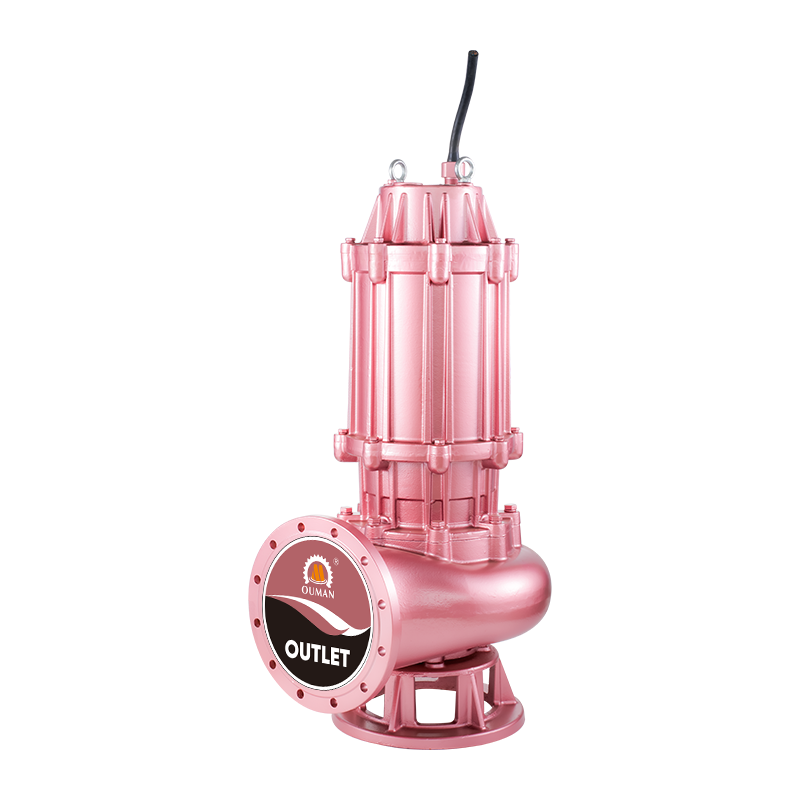
A shallow well water pump configuration, which describes the majority of small ejector models on the market, is generally rated for suction lift up to roughly 25 feet, beyond which performance drops sharply and a deep well configuration becomes necessary instead. Buyers should measure the actual static water level on the property before ordering, since assuming a shallow well configuration will work on a borderline-depth well is one of the more common sourcing mistakes distributors see from newer buyers in this category. A small ejector pump oversized or undersized for the actual well depth wastes either capital or performance, and neither outcome serves the end customer well.
Garden Irrigation Pump Applications Beyond the Well
A garden irrigation pump role is a common secondary use for a small ejector pump originally purchased for household water supply, since the same unit can pressurize a drip irrigation line or a sprinkler system on a small property without requiring a second dedicated pump. This dual-use pattern matters for distributors stocking inventory for rural and agricultural customers, since a single compact pump model that covers both household supply and light irrigation reduces the number of SKUs a dealer needs to carry for that customer segment.
Manufacturing Details That Affect Long-Term Reliability
A factory producing its own small ejector pump units typically machines the venturi and jet nozzle components to a tight tolerance, since even minor variation in this geometry changes the pump's suction performance in ways that are difficult to diagnose after installation. Motor winding quality and seal material also affect how well the pump handles the sediment and mineral content common in well water, and a factory testing each unit for suction lift performance before shipment catches deviations that a spec sheet alone would not reveal. Buyers sourcing for a distribution catalog should ask whether testing happens per unit or per batch, since this affects how confidently a distributor can represent the pump's rated performance to an end customer.
Certification and Bulk Ordering Considerations
Buyers placing bulk orders for a small ejector pump line intended for export should confirm voltage configuration options for the target market, along with motor safety certification appropriate to that market, before finalizing a purchase order. A factory able to adjust voltage and plug configuration as part of its standard production process, rather than as a special request, generally serves multi-market distributors more efficiently than one requiring a separate production run for each configuration. Buyers evaluating a new supplier for this category should treat these questions as standard due diligence rather than an unusual level of scrutiny, since a small ejector pump sold across several export markets carries more configuration variables than a single-market domestic product typically does.