
 Eng
Eng  English
 русский
 عربى
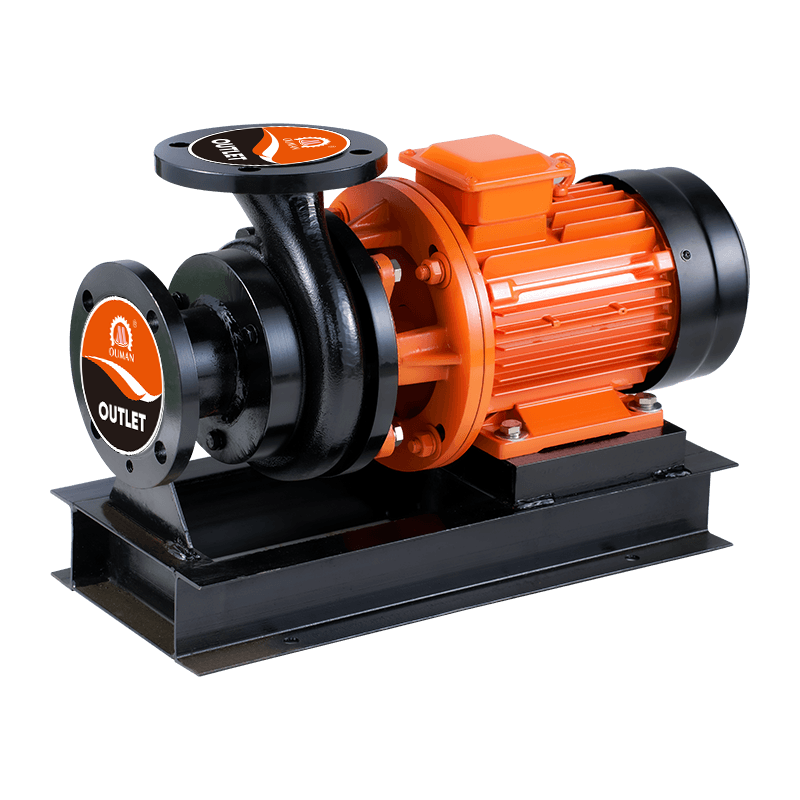
عربىA Cutting Fluid Pump built around an integrated cutting mechanism has to do two jobs with the same rotating part: move fluid through the pipeline and chop whatever fibrous or solid material is suspended in it before that material ever reaches the impeller passage. Getting that dual job done reliably comes down to details that never show up on a general spec sheet, and those details are usually what separates a unit that holds its rated performance for years from one that needs rebuilding within a single season of use.
Blade-To-Cutter Clearance Determines Cutting Effectiveness
An open single-blade impeller works against a stationary cutting edge built into the pump casing, shearing material passing between the two rather than simply pushing it through. Clearance between the moving blade and that stationary cutter has to stay tight enough to cut effectively but loose enough to avoid metal-to-metal contact as the impeller spins, and a Cutting Fluid Pump running outside that narrow clearance window either lets fibrous material pass through uncut or wears the blade edge down faster than a properly set clearance would. That clearance also opens gradually as both surfaces wear during normal operation, which is why cutting performance on an older Cutting Fluid Pump can decline well before any other part of the unit shows a problem. Checking and resetting that clearance as part of routine maintenance, rather than waiting for cutting performance to become visibly worse, keeps the mechanism working closer to its original spec for a longer share of its service life.
Solids Concentration Above The Rated Limit Overloads The Cutting Action
A cutting mechanism is built to handle suspended solids up to a specific volumetric limit, and pushing a Cutting Fluid Pump past that rated concentration overwhelms the cutting action faster than the blade can process material moving through. Running consistently above the rated solids limit accelerates wear on the blade and cutting ring well beyond what the design assumes, since the mechanism is sized around clearing a specific volume of debris per rotation rather than an unlimited amount. Matching a Cutting Fluid Pump's rated solids concentration to the actual fluid stream it will handle, rather than treating the cutting feature as a solution for any level of suspended material, keeps the mechanism operating within the wear rate its design was built around. A fluid stream that regularly exceeds the rated solids figure calls for a different pump sizing entirely, not simply a faster cutting mechanism bolted onto the same base design.
A Single Mechanical Seal Handles Abrasive Duty Differently Than A Tandem Seal
The single mechanical seal between the pump and motor on a Cutting Fluid Pump is the last line of defense keeping the fluid side separated from the motor side, and any solid particulate that gets past the cutting mechanism reaches that same seal face directly. A single seal arrangement works reliably within the pump's rated operating conditions, but it has less built-in margin against abrasive wear than a tandem or double seal setup designed for more demanding particulate service. Keeping the fluid stream's solids content within the Cutting Fluid Pump's rated range protects that seal as much as it protects the cutting mechanism itself, since both components are sized around the same underlying assumption about what the pump will actually be asked to process. Seal replacement intervals tracked against actual operating conditions, rather than a fixed calendar schedule, give a more accurate picture of when that single seal is approaching the end of its usable margin.
Blade clearance, solids concentration, and seal design all trace back to the same underlying assumption about what a Cutting Fluid Pump will process, and operating outside that assumption wears every one of these components faster than their rated service life anticipates. Respecting that shared assumption across all three details, rather than treating any one of them as an isolated maintenance item, is what keeps a unit performing close to its original spec well into its later years of service.