
 Eng
Eng  English
 русский
 عربى
عربىDefine the Wastewater Duty
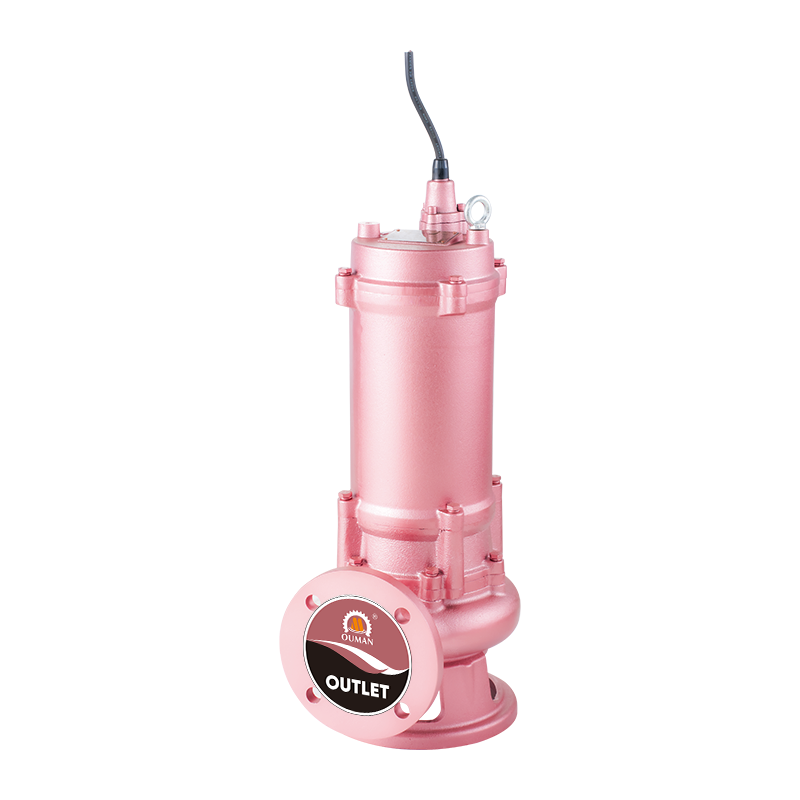
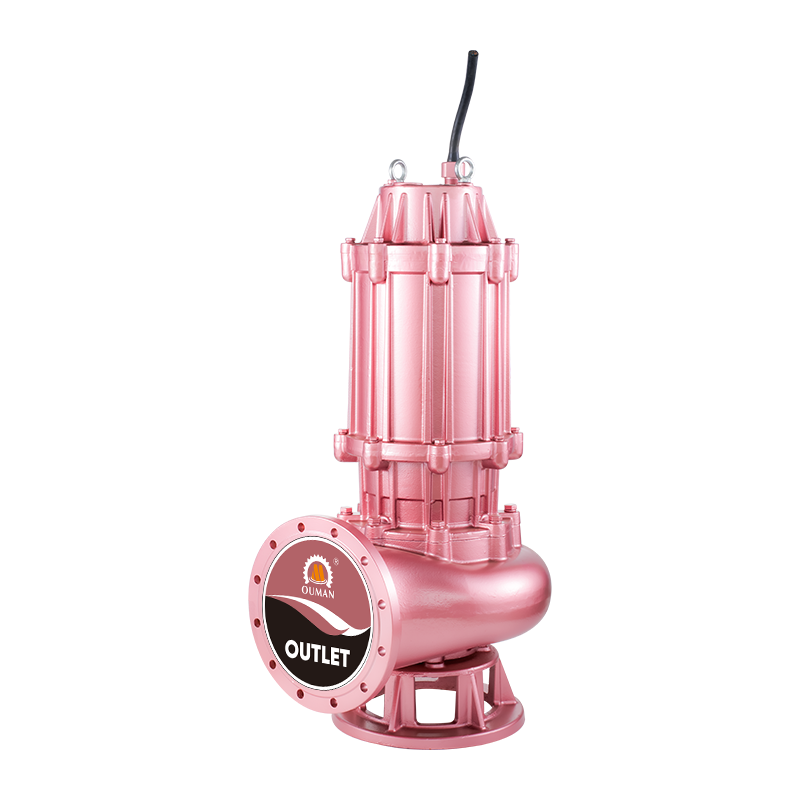
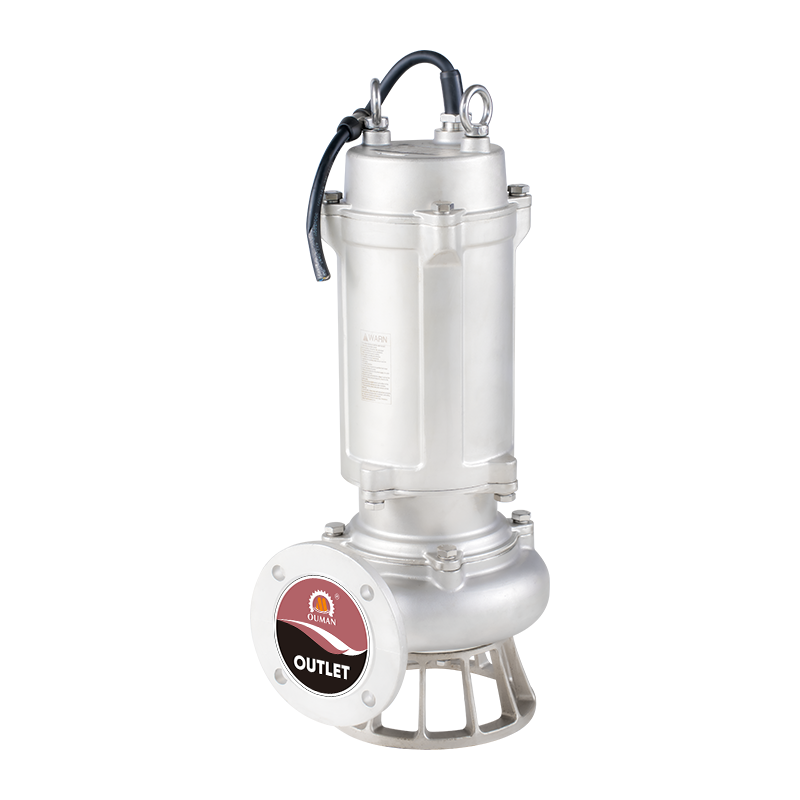
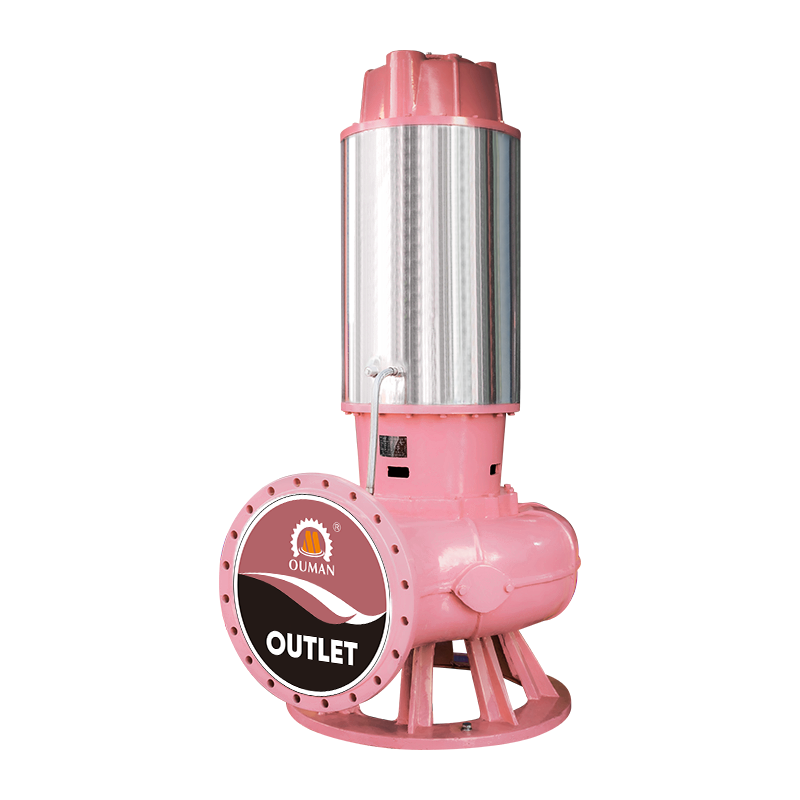
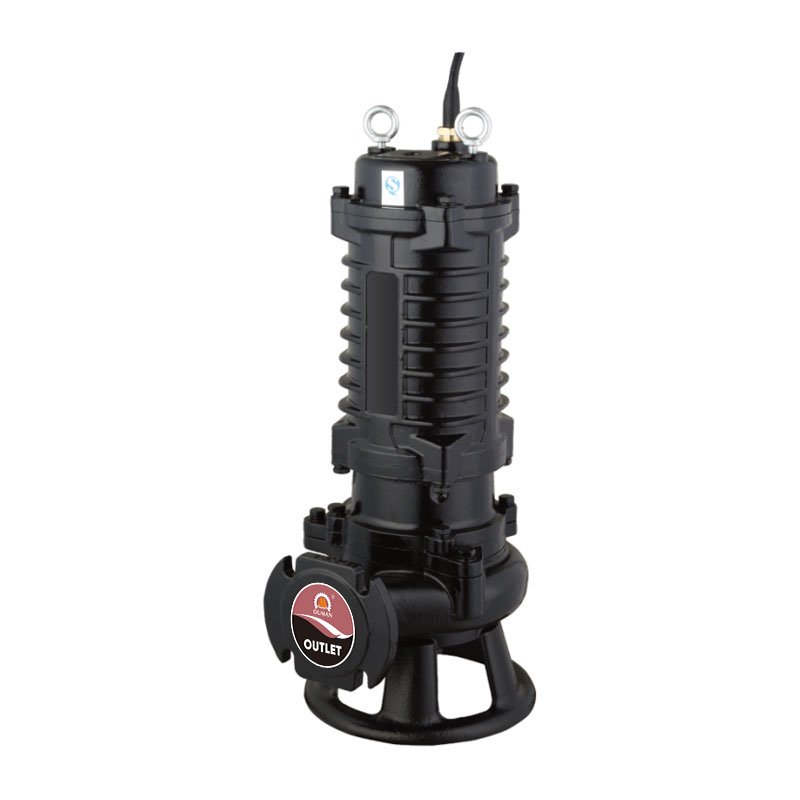
Wastewater pumping projects differ in flow demand, discharge height, pipe layout, and the material carried in the liquid. A submersible sewage ejector pump should be assessed against these conditions rather than selected by category name alone. OUMAN’s BWQ series is described as a stainless steel, explosion-proof submersible sewage pump for sewage and wastewater handling.
The product page lists applications including industrial and commercial wastewater discharge, sewage treatment plants, residential drainage stations, hospitals, hotels, municipal projects, construction sites, and mining-related settings. These sites have different duties. Defining wastewater, flow, head, and installation environment gives engineers a starting point for model review. This information helps narrow the submersible sewage ejector pump options.
Compare Flow, Head, and Connection Size
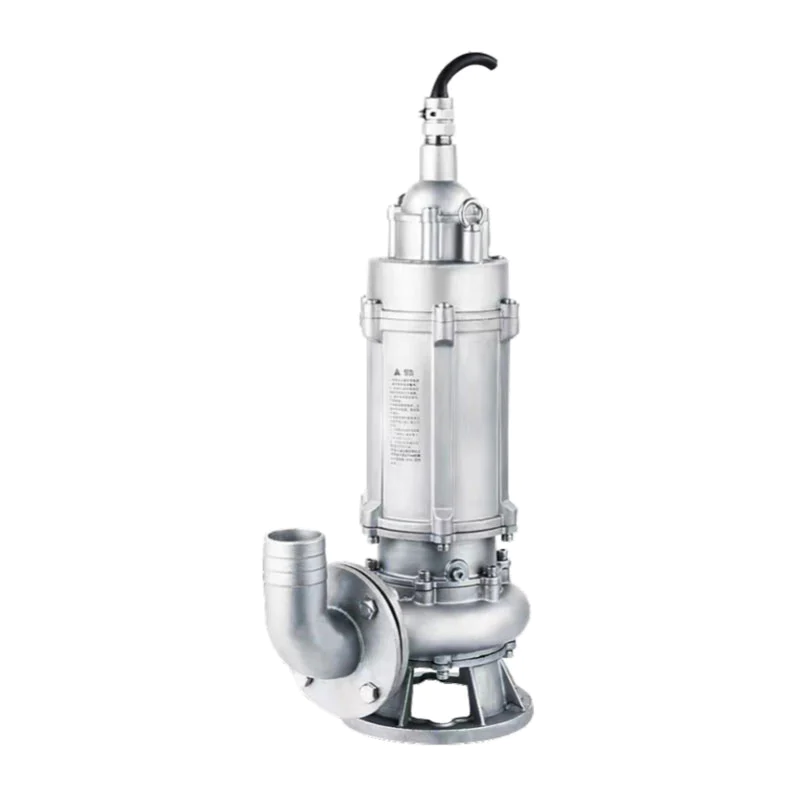
The BWQ model table covers flow rates from 7 to 500 m³/h, heads from 5 to 70 m, and motor power from 0.55 to 15 kW. These are ranges across the listed models, not values for every unit. Model 50BWQ7-8-0.55 is listed at 7 m³/h, 8 m head, and 0.55 kW. Model 100BWQ100-25-11 is listed at 100 m³/h, 25 m head, and 11 kW.
These examples serve different hydraulic requirements. Choosing a submersible sewage ejector pump involves matching the required flow and total head with the performance data for the specific model. Discharge route and pipe diameter also affect system planning. The product table lists pipe sizes from 50 to 250 mm across the range, so the connection should be checked with the duty point.
Recording flow, head, power, voltage, and pipe size helps teams identify the intended model. This is useful when comparing a submersible sewage ejector pump with another configuration.
Verify Hazardous-Area Requirements
OUMAN describes the BWQ series as explosion-proof for applications where flammable gases or vapors may occur. The product information identifies explosion-proof electrical components and thermal protection, and names certain chemical and petrochemical operations, oil and gas facilities, and mining among relevant application areas.
The description does not establish suitability for every classified location. The explosion-proof sewage pump designation still requires model-specific verification. Before specifying an explosion-proof sewage pump, project teams should confirm the site classification, required protection level, and applicable approvals against the exact model documentation and local requirements. The product description should not substitute for that check.
Electrical supply is also model-specific. The listed range includes 220 V options for selected lower-power models and 380 V options across many models. Voltage, motor power, control equipment, and site supply should be reviewed together, particularly when a submersible sewage ejector pump is planned for a hazardous area.
Review Materials and Solids in the Wastewater
The BWQ pump body is described as stainless steel, with corrosion resistance noted on the product page. However, the page does not state a stainless steel grade or provide a chemical compatibility chart. Material suitability should therefore be checked against the actual wastewater composition, temperature, and operating conditions.
Industrial wastewater may differ from ordinary municipal sewage. A submersible sewage ejector pump should not be assumed compatible with every chemical or concentration based on the general material description. Record known fluid composition in the specification and confirm model suitability.
The product information also describes an impeller intended to pass water containing solid particles and debris, but it does not state a large solids diameter. Projects with a defined particle size or unusual debris load should confirm this limit before final selection.
Plan Around the Pump and Installation
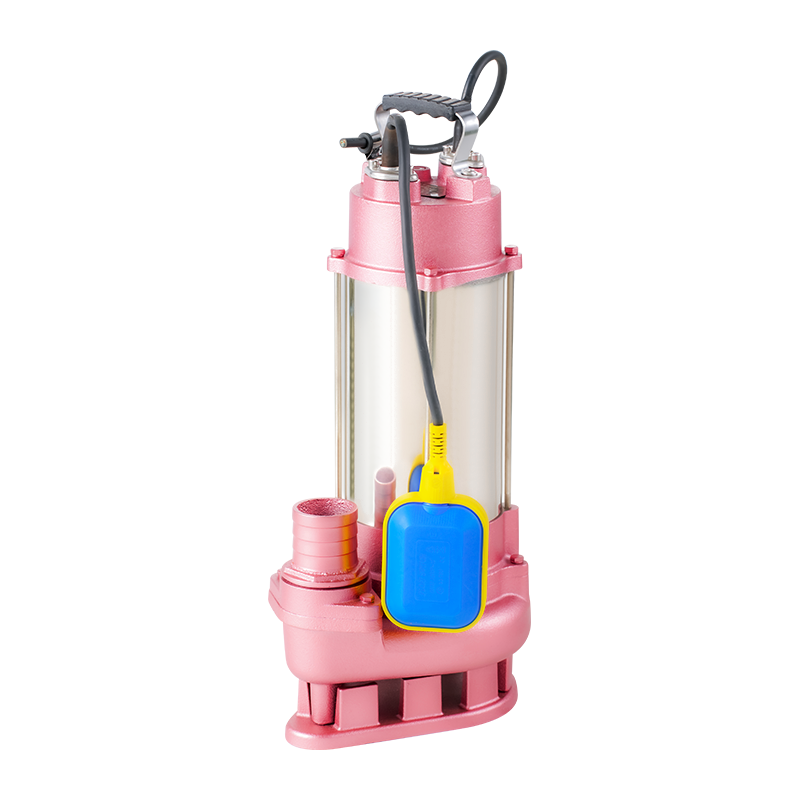
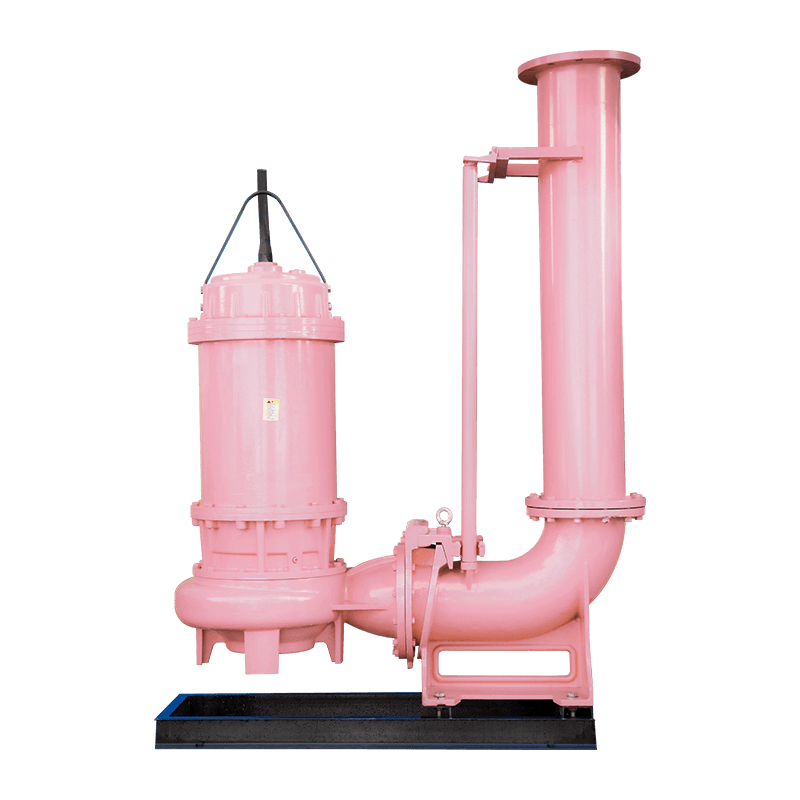
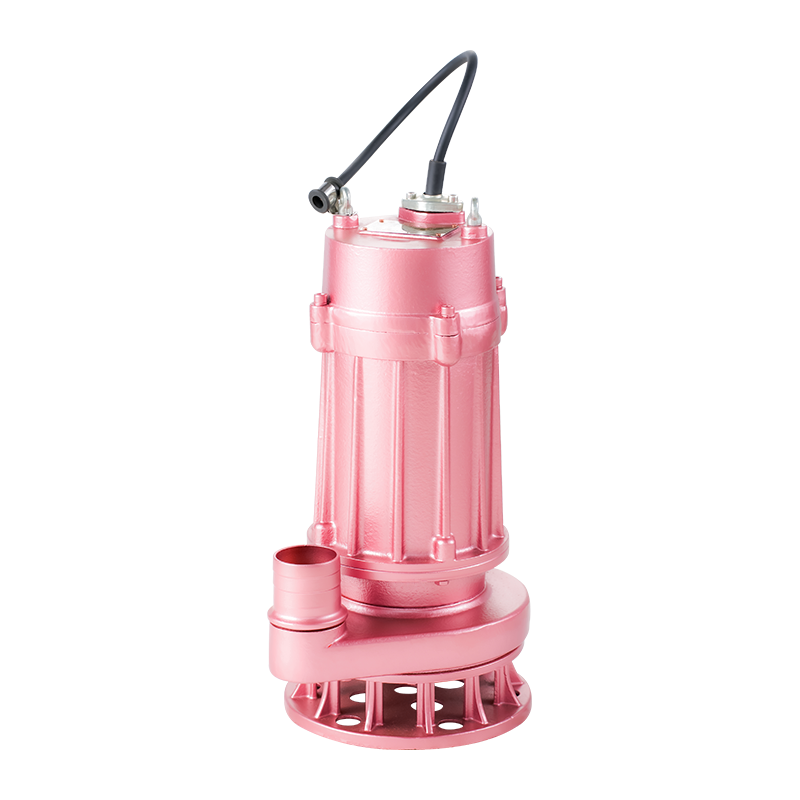
OUMAN describes the WQB and BQW explosion-proof submersible sewage pumps as integrated electromechanical products. The motor and pump share a shaft, with oil separation and mechanical seal components between the sections. The product information also mentions a compact structure and protective devices.
Installation planning still depends on the chosen model and site. Available sump space, discharge connection, lifting access, cable routing, and maintenance clearance should be checked before installation. The dimensions and connections of a submersible sewage ejector pump need to fit the actual station or pit, not a generic layout.
For an explosion-proof sewage pump, coordinate electrical connection and inspection access with site procedures.
Keep the Specification Model-Specific
A project specification should record required flow and head, wastewater characteristics, electrical supply, discharge size, installation environment, and any hazardous-area classification. Then identify the model matching those requirements.
The BWQ table supports comparison by flow, head, motor power, voltage, pipe size, and speed. A submersible sewage ejector pump should be evaluated using these documented parameters rather than a broad application label. If material grade, solids passage diameter, or hazardous-area approvals are not listed, confirm them instead of inferring them.
The BWQ series combines several hydraulic configurations with stainless steel construction and an explosion-proof design. Model-level review gives project teams a clear equipment reference. Confirm the submersible sewage ejector pump model before ordering.