
 Eng
Eng  English
 русский
 عربى
عربىA pump engineer once made a simple observation:
"Many pumps can move water. Not every pump likes moving seawater."
At first, seawater may not seem very different from ordinary water. It is still water flowing through pipes, impellers, and pump chambers. Yet companies that have worked with coastal projects, aquaculture systems, docks, or marine facilities know the reality is often more complicated.
The reason is not flow rate.
It is what the water contains.
That is why a submersible pump for sea water is usually designed differently from pumps intended for freshwater applications.
Salt rarely stays where you want it
One challenge with seawater is that salt reaches almost everything.
A metal component may look perfectly normal when installed. Months later, the situation can look very different.
This is one reason buyers of a submersible pump for sea water often pay close attention to materials before looking at performance specifications.
The pump still needs to move water efficiently, but long-term exposure to saltwater becomes part of the engineering discussion from the beginning.
Corrosion resistance starts with material selection
When people talk about seawater pumps, corrosion resistance is usually mentioned first.
For good reason.
A submersible pump for sea water may use materials or protective treatments selected specifically for environments where salt exposure is expected.
Depending on the application, manufacturers may focus on:
- corrosion-resistant metals
- protective coatings
- specialized fasteners
- sealed motor structures
- durable shaft components
These choices are often less visible than the pump housing itself, but they play an important role once the equipment enters service.
The motor needs protection too
Many buyers focus on external parts because those are the components they can see.
The motor tells a different story.
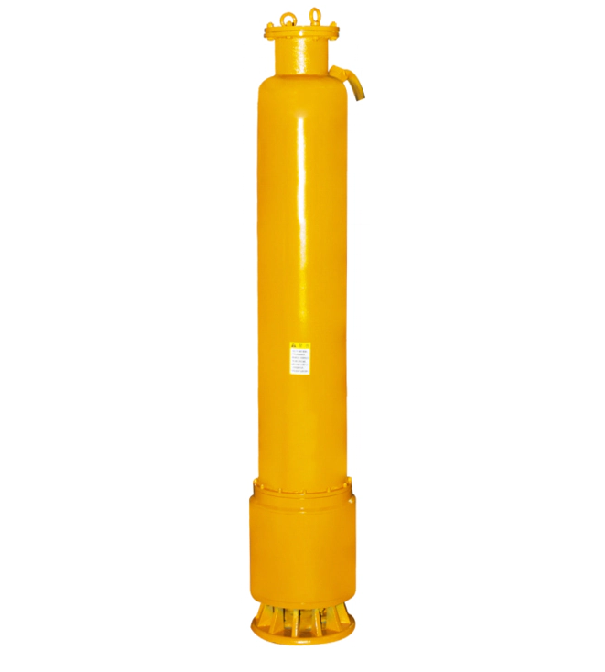
In a submersible pump for sea water, preventing unwanted moisture and contaminants from reaching internal electrical components becomes a significant design consideration.
The goal is not simply to keep water out for a few days or weeks.
Marine projects often expect equipment to operate for extended periods under demanding conditions.
That expectation influences sealing methods, assembly procedures, and inspection requirements during production.
Production often involves extra surface treatment
Two pumps sitting next to each other in a warehouse may appear nearly identical.
The differences sometimes become visible only during manufacturing.
For example, a submersible pump for sea water may undergo additional surface preparation or protective finishing processes before leaving the factory.
These steps are not necessarily designed to make the pump look different.
Instead, they are intended to help the product cope with an environment that is naturally more aggressive than freshwater applications.
A simple comparison
|
Feature |
Standard Submersible Pump |
Submersible Pump For Sea Water |
|
Water Type |
Freshwater applications |
Marine and saltwater environments |
|
Corrosion Exposure |
Lower |
Higher |
|
Material Requirements |
Standard industrial materials |
Enhanced corrosion resistance |
|
Surface Protection |
Basic protection |
Additional protection often used |
|
Long-Term Salt Exposure |
Limited |
Expected |
The comparison highlights why the two categories are often treated separately despite performing similar pumping functions.
Experience often changes buying decisions
Many marine operators have learned the same lesson through experience.
A pump that performs well in freshwater may not necessarily provide the same service life when transferred directly into a saltwater environment.
That does not mean the original pump was poorly designed.
It simply means the application changed.
As a result, buyers frequently evaluate environmental conditions before selecting a submersible pump for sea water, rather than focusing only on flow rate or power.
The challenge begins before the pump is built
People sometimes think corrosion resistance is a feature added at the end of production.
In reality, many decisions happen much earlier.
Material selection, component matching, sealing design, and manufacturing procedures can all influence how a submersible pump for sea water performs after installation.
By the time the pump reaches the customer, many of those choices have already been built into the product.
Why seawater pumps remain a specialized category
From a distance, a submersible pump for sea water may not look dramatically different from other submersible pumps.
The real differences often become apparent only after months or years of operation.
Saltwater creates challenges that freshwater systems may never encounter. Because of that, manufacturers often approach seawater applications with different priorities, focusing on corrosion resistance, sealing reliability, and long-term durability from the earliest stages of production.
Those details may not attract attention in a catalog photo, but they are often the reason marine pumps continue operating in environments that place constant demands on every exposed component.