
 Eng
Eng  English
 русский
 عربى
عربىThe global wastewater management sector is increasingly relying on the submersible sewage pump as urban populations grow and infrastructure ages under mounting hydraulic loads. Current market data indicates that submersible units now account for approximately 42 percent of all sewage pump installations in municipal networks globally, up from 28 percent a decade ago. This penetration reflects the inherent advantage of a pump that can be lowered directly into a wet well, operating at depths of 20 meters or more without the priming systems and surface footprint that define traditional dry-pit stations. The submersible sewage pump has transitioned from a niche solution into a standard specification for new construction and retrofit projects alike.
What Defines the Submersible Sewage Pump as a Product Category?
A submersible sewage pump is a centrifugal pump unit engineered to operate while fully immersed in the fluid it is moving, with the motor and hydraulic assembly sealed within a watertight housing that eliminates above-ground mounting and lengthy suction piping. The product is distinguished from standard dewatering pumps by its solids-handling capability, typically passing spherical solids of 50 to 100 millimeters in diameter without clogging. Motor power ratings in municipal service range from 2.2 kilowatts for small lift stations to 250 kilowatts for main trunk sewer pumping, with discharge diameters spanning 80 to 300 millimeters. The sealed construction incorporates an oil-filled motor chamber that provides both cooling and lubrication, with double mechanical seals arranged in tandem to prevent sewage ingress into the motor windings. Ingress protection is standardized at IP68 for indefinite submersion, and explosion-proof variants meeting ATEX or equivalent hazardous location certifications are available for installations where methane accumulation poses an ignition risk.
Where Do the Main Industrial and Civil Application Scenarios Converge?
The deployment footprint spans heavy industry and public infrastructure with significant overlap. Municipal wastewater treatment plants represent the largest single application, with a typical medium-sized facility housing 12 to 20 submersible sewage pumps across raw sewage lift stations, aeration basin recirculation, and sludge transfer duties. These pumps handle raw influent containing up to 6 percent solids by weight, including fibrous materials, wipes, and grit. Industrial applications include food processing facilities where wastewater carries animal fats and high-strength organic loads measured at chemical oxygen demand levels exceeding 8,000 milligrams per liter. Mining operations deploy these pumps for camp sanitation and underground dewatering, where the sealed motor housing prevents methane ignition. Stormwater management represents a rapidly growing civil application, with municipalities installing submersible units in flood-prone underpasses achieving pump-out rates of 300 cubic meters per hour at total dynamic heads of 15 meters. Commercial buildings in dense urban centers specify submersible units for basement sewage ejection, avoiding costly excavation for deep gravity sewer connections.
What Core Technologies and Performance Parameters Define Modern Units?
Contemporary designs integrate several critical technologies that determine operational reliability. Macerator and grinder systems positioned at the pump inlet reduce solid particle size to pass through a discharge of 50 to 100 millimeters, with cutting mechanisms hardened to 60 Rockwell C. Premium units maintain tip clearances between cutter and plate at 0.15 millimeters, preserving chopping effectiveness over extended intervals. Motor cooling relies on the sewage flow passing over the motor housing, maintaining winding temperatures below 135 degrees Celsius during continuous operation in fluid at 40 degrees Celsius ambient. The upper mechanical seal typically employs silicon carbide faces, while the lower seal uses tungsten carbide for enhanced abrasion resistance. Insulation resistance specifications require a small of 100 megaohms at 500 volts DC before commissioning, correlating with a mean time between failures exceeding 12,000 hours in municipal service. Variable frequency drives allow pump speed to match inflow rates, reducing energy consumption by approximately 25 percent compared to fixed-speed on-off cycling. Impeller design has evolved toward single-vane and two-channel geometries with free passage diameters of 80 to 100 millimeters, which field studies show reduces rag accumulation by up to 40 percent compared to multi-vane enclosed impellers.
The submersible sewage pump stands at the center of a global push to modernize wastewater infrastructure while containing operational costs. As cities densify and climate volatility increases wet-weather surge frequency, the ability to deploy reliable pumping capacity within existing wet well footprints becomes decisive. The submersible sewage pump, with its sealed architecture and advancing solids-handling capability, remains the primary tool through which municipalities and industries manage the relentless flow of modern sanitation.
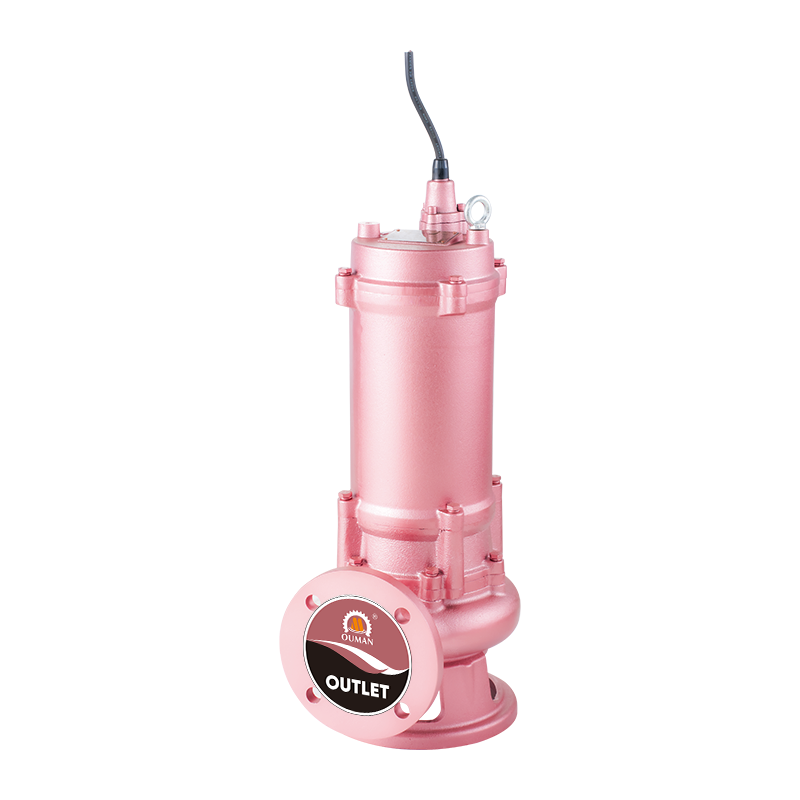
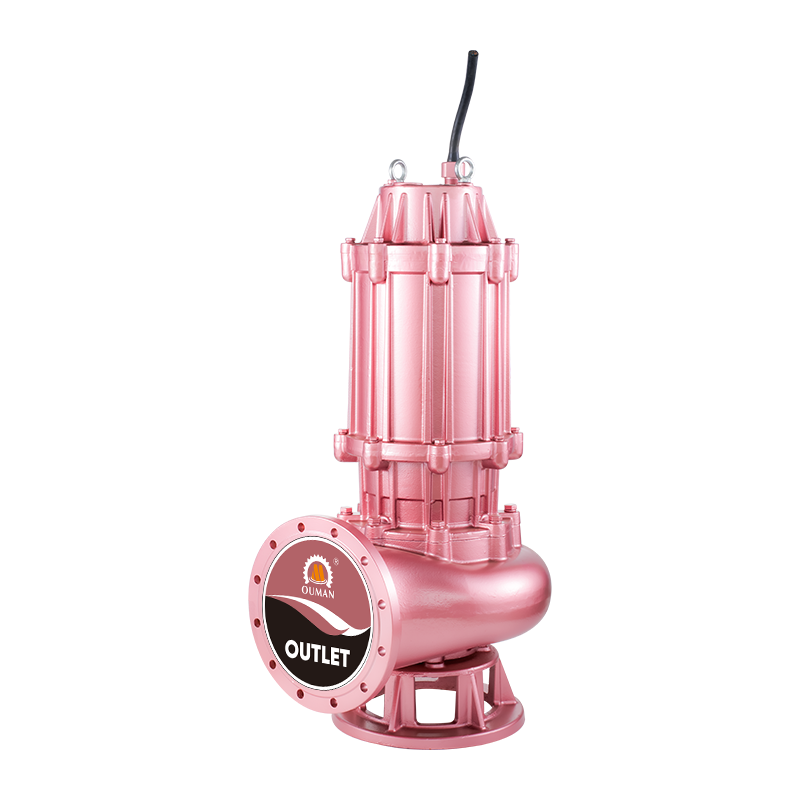
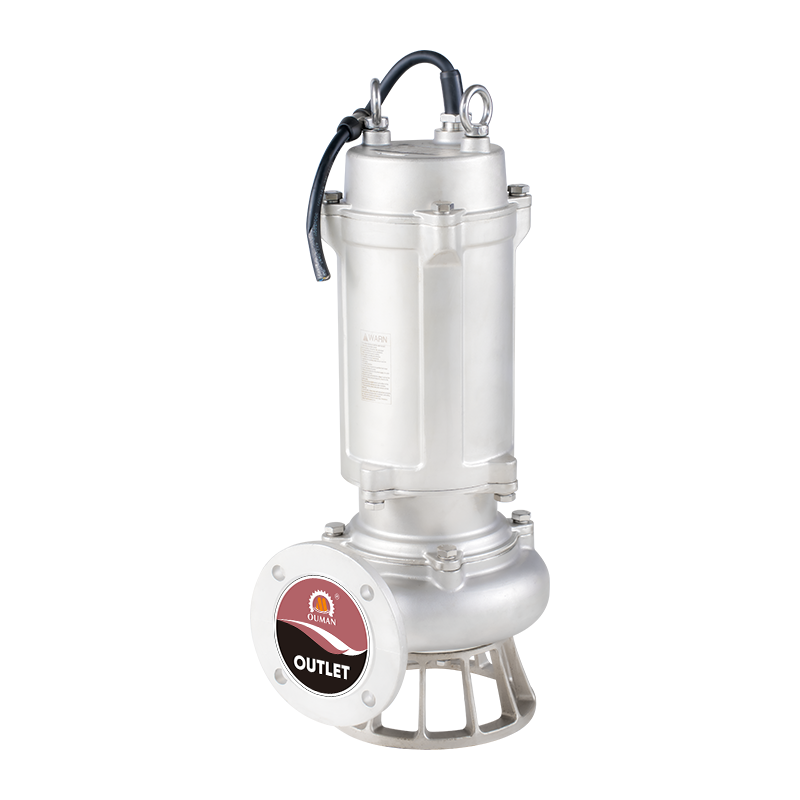
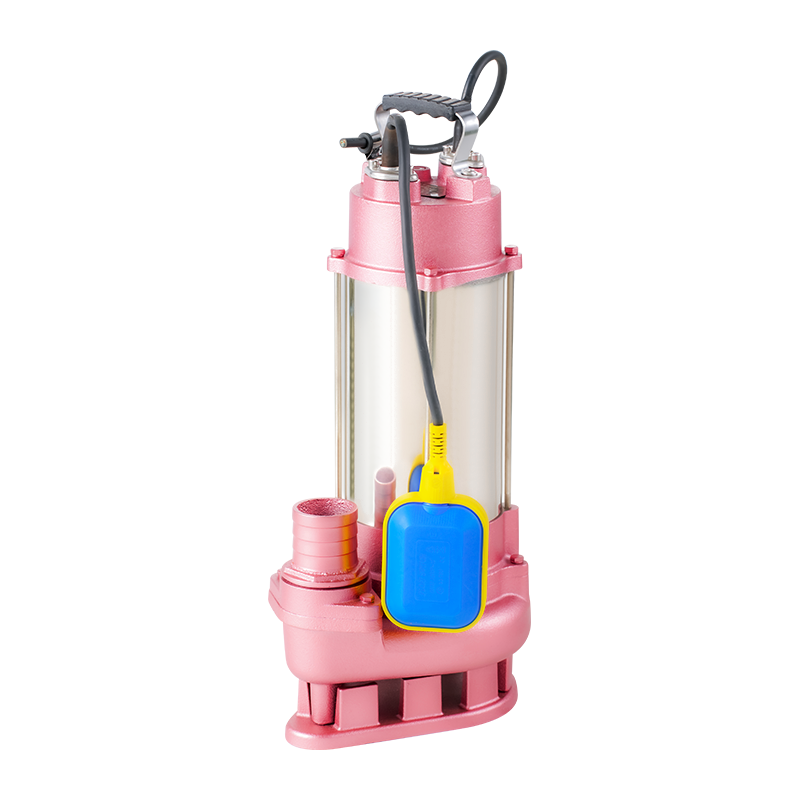
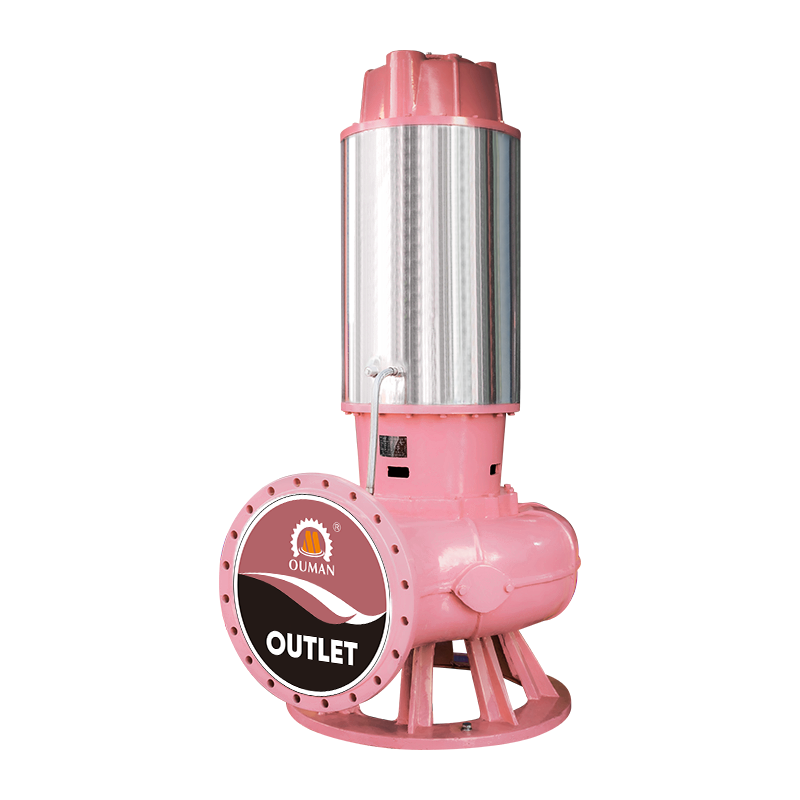
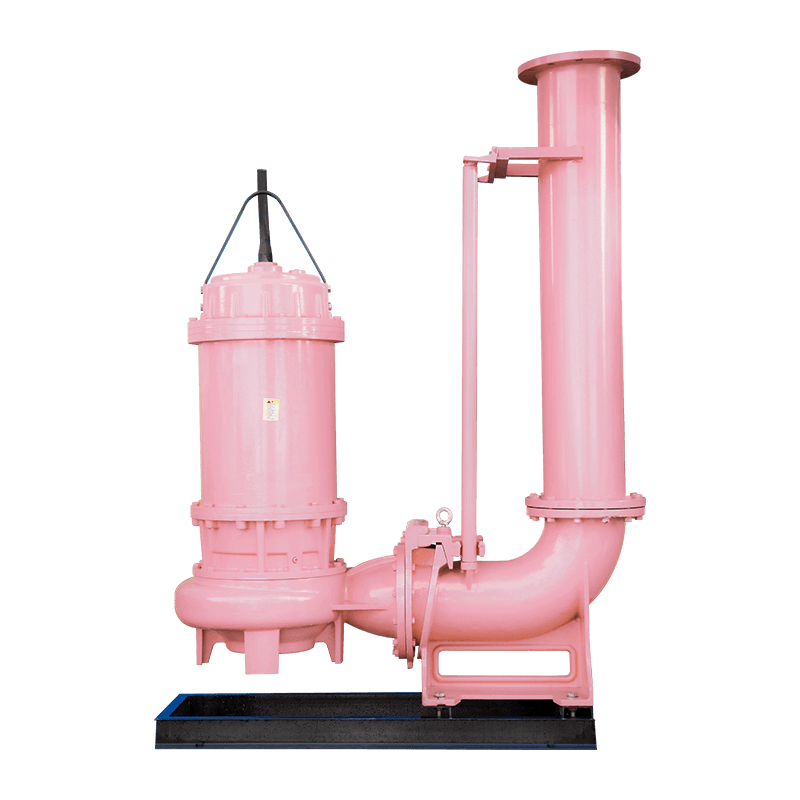
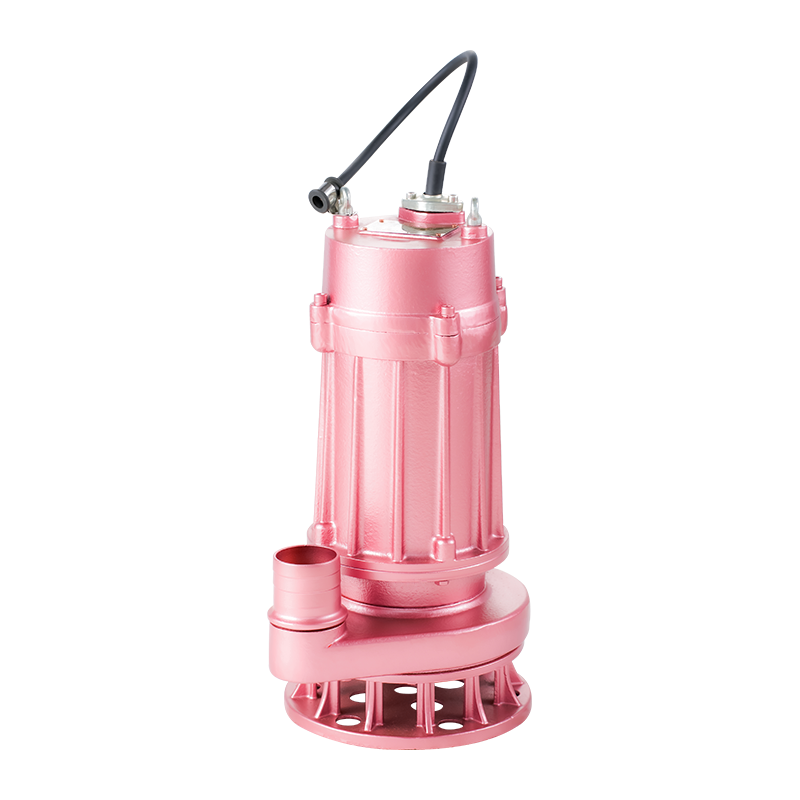
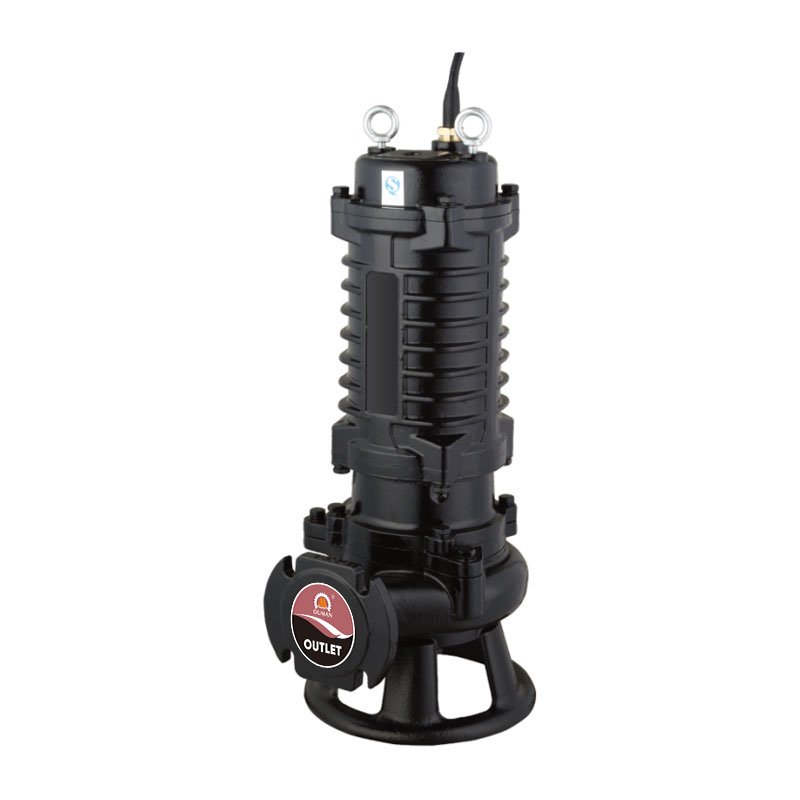
For reliable wastewater handling, we recommend the WQ/WQD Series Submersible Sewage Pump from OUMAN Mechanical & Electrical Co., Ltd. Designed to handle dirty water, sewage, and debris-laden liquids, this pump features a clog-resistant vortex or semi-open impeller for uninterrupted operation. Its corrosion-resistant casing and double mechanical seal ensure long-lasting durability in harsh environments. Ideal for residential basements, commercial drainage, septic systems, and industrial wastewater transfer. The submersible design allows direct placement in pits or tanks with automatic float switch operation. Energy-efficient and easy to maintain, the WQ/WQD Series delivers consistent performance when you need it.