
 Eng
Eng  English
 русский
 عربى
عربىThe global submersible pump industry is experiencing significant expansion, driven by increasing demand across multiple sectors and continuous technological innovation. Recent market analysis indicates the submersible pump sector is projected to reach approximately $16 billion by 2031, growing at a compound annual growth rate of over 5 percent during the forecast period.
What Are Submersible Pumps and How Do They Work?
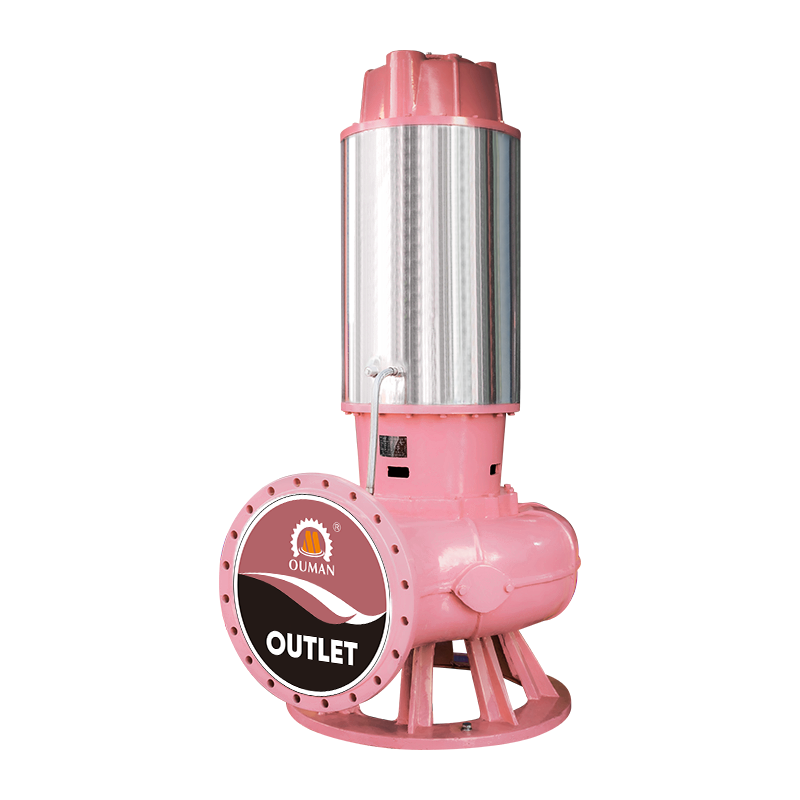
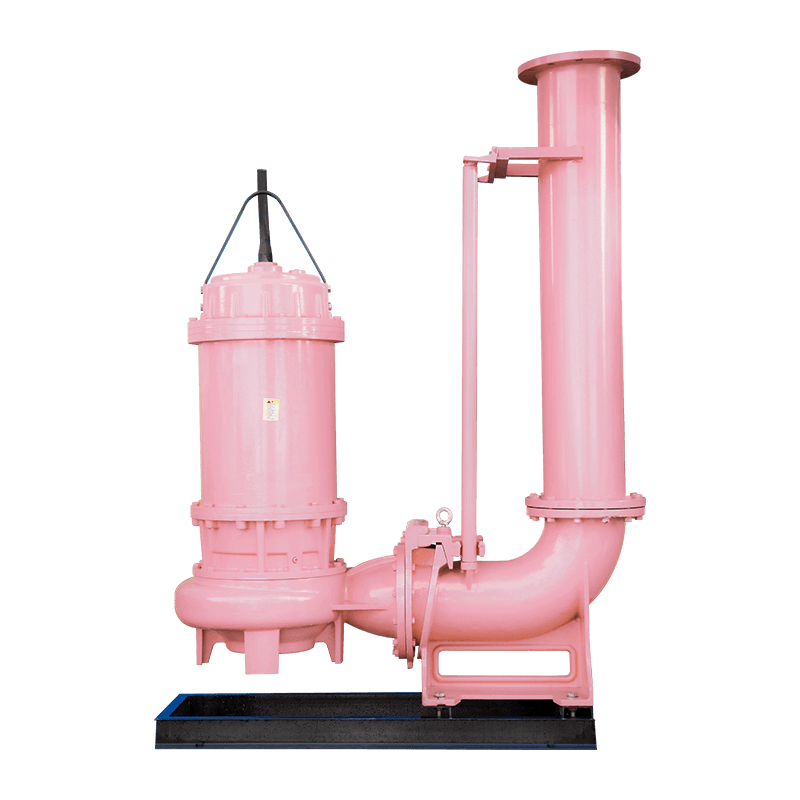
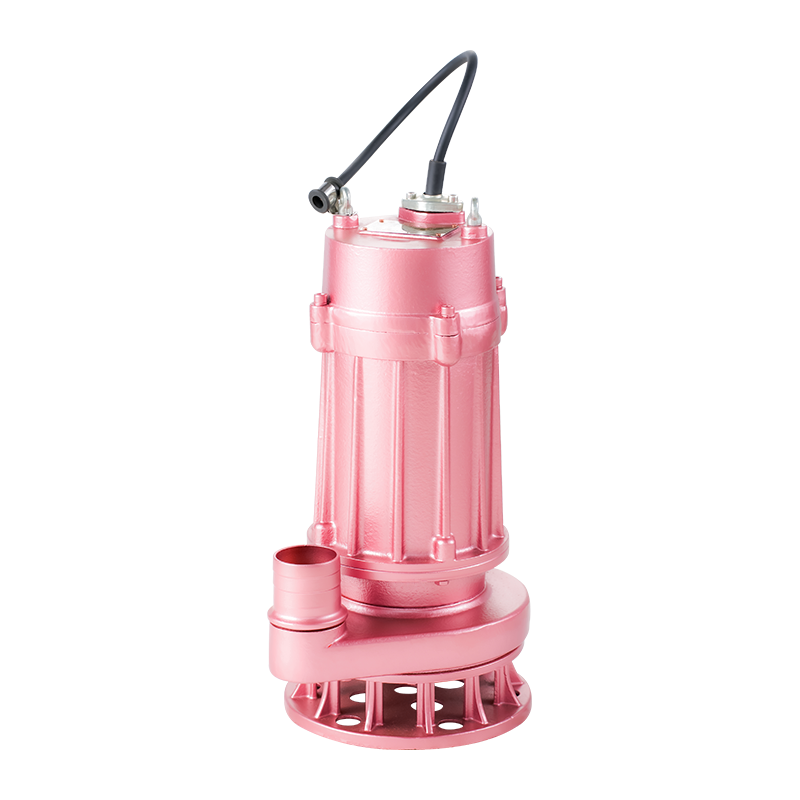
A submersible pump features a hermetically sealed motor and pump body joined as a single unit designed to operate while fully immersed in the fluid being pumped. This design eliminates the need for priming, as submersible pumps push fluid to the surface rather than pulling it, avoiding suction lift limitations and cavitation. Complete submersion also provides natural motor cooling through surrounding fluid. Modern submersible pump units incorporate multiple impeller stages for higher discharge pressures, enabling efficient water lifting from significant depths. The operational principle converts rotational energy into kinetic energy and then pressure energy. When the sealed motor rotates the impeller assembly, fluid enters through the intake screen and accelerates outward by centrifugal force. This fluid passes through diffuser passages where velocity reduction converts kinetic energy into increased pressure, enabling transport through discharge piping. Energy conversion efficiency has improved substantially, with modern submersible pump units achieving ratings exceeding 80 percent in ideal conditions.
Where Are Submersible Pumps Used in Modern Applications?
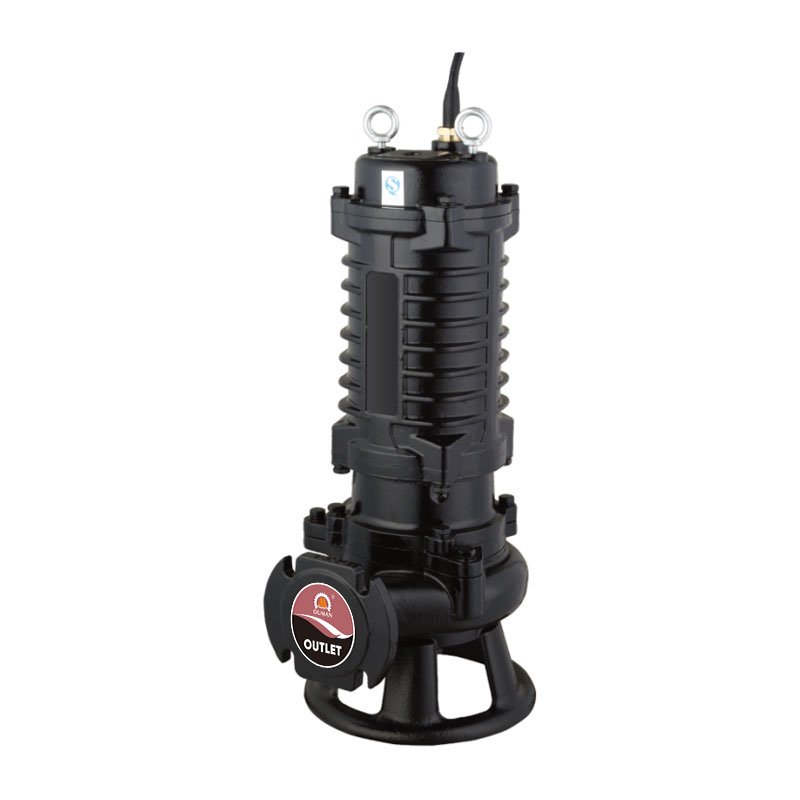
The application landscape for submersible pumps spans an extraordinarily diverse range of sectors. In residential and commercial settings, these devices manage groundwater removal, maintain water features, and supply water from private wells. Municipalities rely extensively on submersible pump installations for water supply systems and wastewater management facilities, handling everything from clean water distribution to sewage treatment. The agricultural sector represents one of the largest user groups, employing submersible pumps extensively for irrigation, drawing water from wells, rivers, and reservoirs to sustain crop production across millions of hectares globally. Industrial applications include dewatering mines, circulating cooling water in processing plants, and managing industrial effluents. Specialized submersible pump categories designed for wastewater handling incorporate features preventing clogging when processing fluids containing solid materials or fibrous substances.
What Technological Trends Are Reshaping the Submersible Pump Industry?
Technological advancement continues reshaping the submersible pump industry through multiple innovative pathways. Efficiency improvements remain a primary focus, with manufacturers developing hydraulic designs that reduce energy consumption while maintaining output capacity. Electronic controls and monitoring systems integration represents a significant trend, enabling real-time performance optimization and predictive maintenance scheduling. Modern submersible pump installations increasingly feature sensors tracking flow rate, pressure, temperature, and vibration patterns, transmitting data to centralized management systems. This connectivity allows operators to detect potential issues before failures occur, reducing downtime and extending service life. Material science advances have produced submersible pump components with enhanced corrosion and abrasion resistance. Variable frequency drive technology has become more prevalent, allowing motors to adjust operating speed based on actual demand rather than running continuously at big capacity, yielding substantial energy savings. More efficient motor designs aligned with international standards have accelerated across the industry, reducing operational costs and environmental impact.
The submersible pump market appears poised for continued expansion as global water management challenges intensify. These devices will remain indispensable components supplying clean water, removing waste, protecting communities from flooding, and enabling agricultural productivity. Smart technology integration promises to further enhance reliability and efficiency of submersible pump installations, reducing lifecycle costs while improving performance. For the foreseeable future, submersible pumps will maintain their position as essential tools in managing one of humanity's precious resources: water.
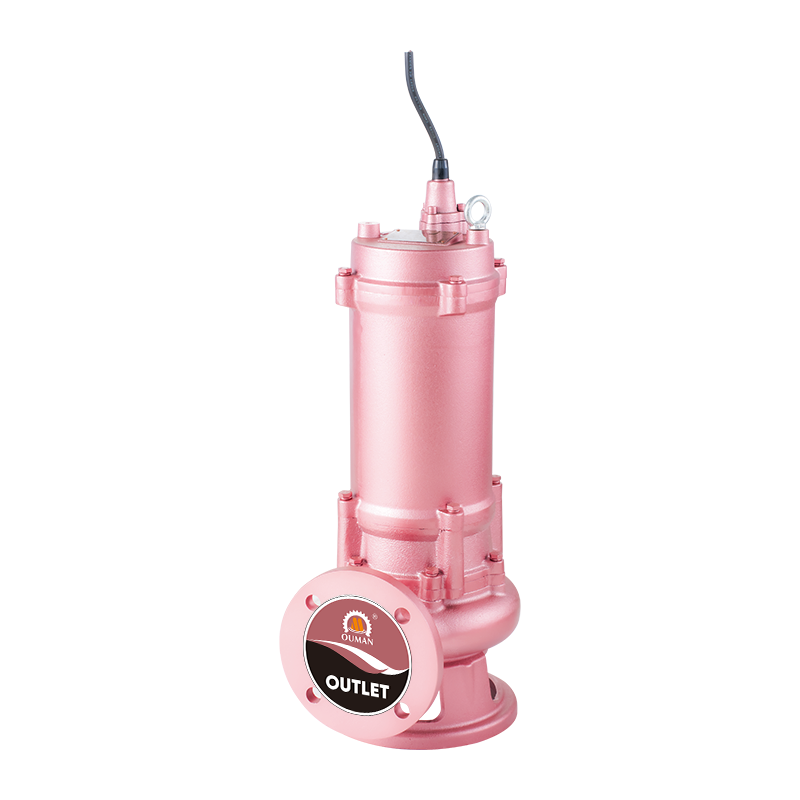
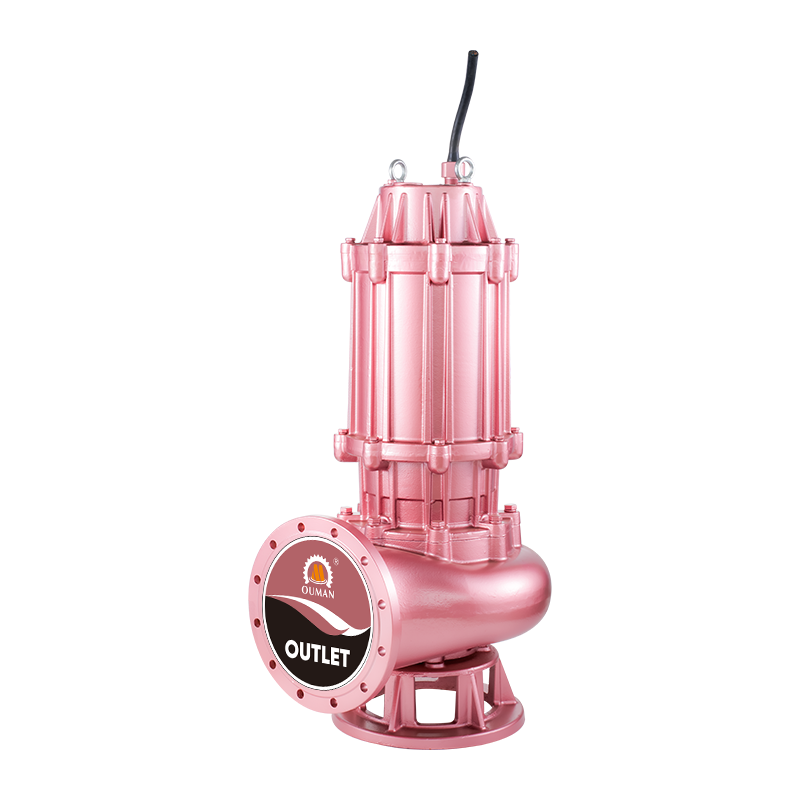
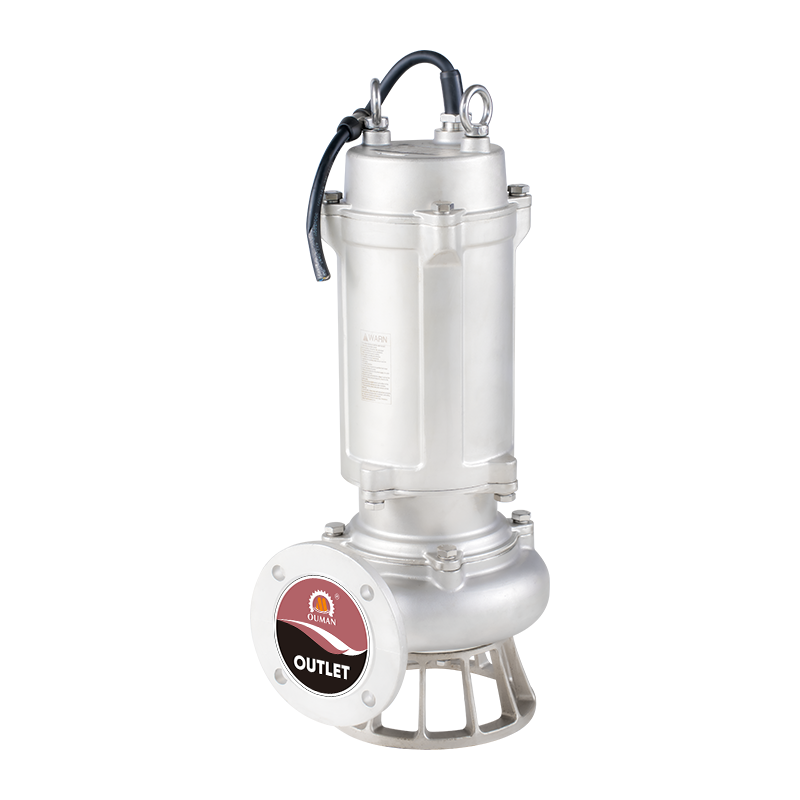
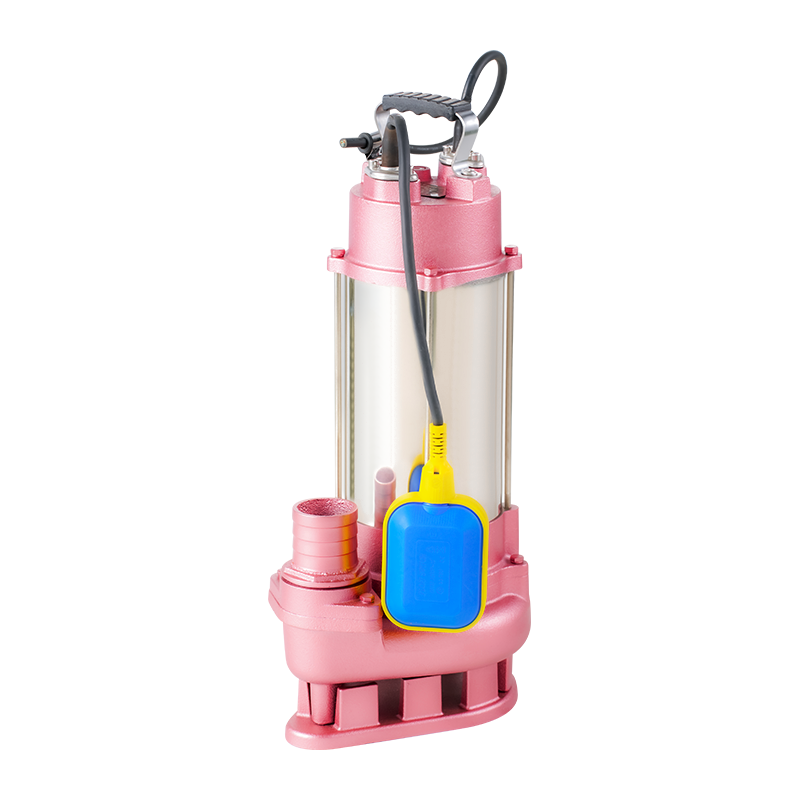
OUMAN Mechanical & Electrical Co., Ltd. recommends its premium QY Series Oil-Immersed Submersible Pump for heavy-duty fluid handling. Designed for reliability, these pumps utilize oil-immersed technology to ensure predominant heat dissipation and continuous lubrication during operation. Constructed from high-strength materials, the QY Series is highly resistant to wear and corrosion. They are ideal for applications including quarry dewatering, mine drainage, industrial sump emptying, and agricultural irrigation. With efficient performance and a compact, durable casing, the QY Series provides a cost-effective solution for moving clean or slightly contaminated water in the demanding environments.