
 Eng
Eng  English
 русский
 عربى
عربىThe global sewage pump industry is experiencing steady growth as municipalities and industries invest in wastewater management infrastructure and environmental protection systems. Market analysis indicates the sewage pump sector is projected to reach approximately $3.8 billion by 2032, growing at a compound annual growth rate of around 5.2 percent during the forecast period.
What Constitutes the Basic Foundation of Sewage Pump Technology?
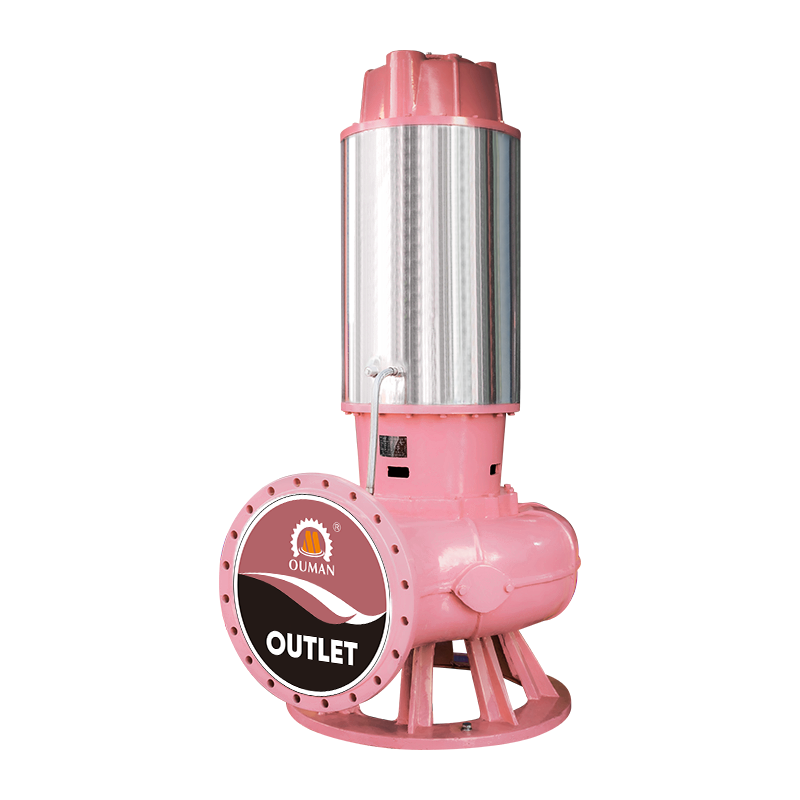
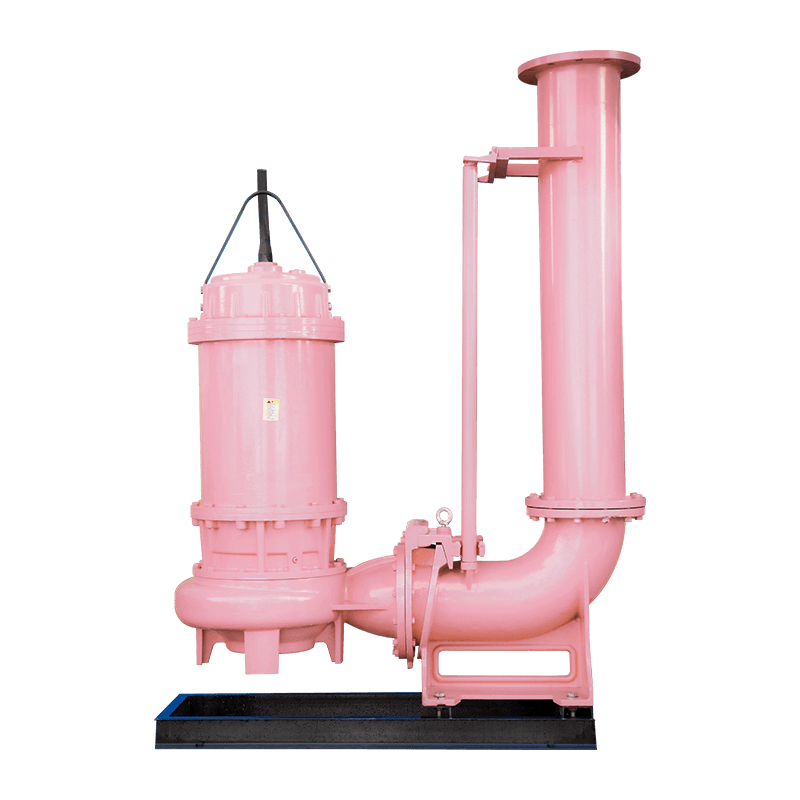
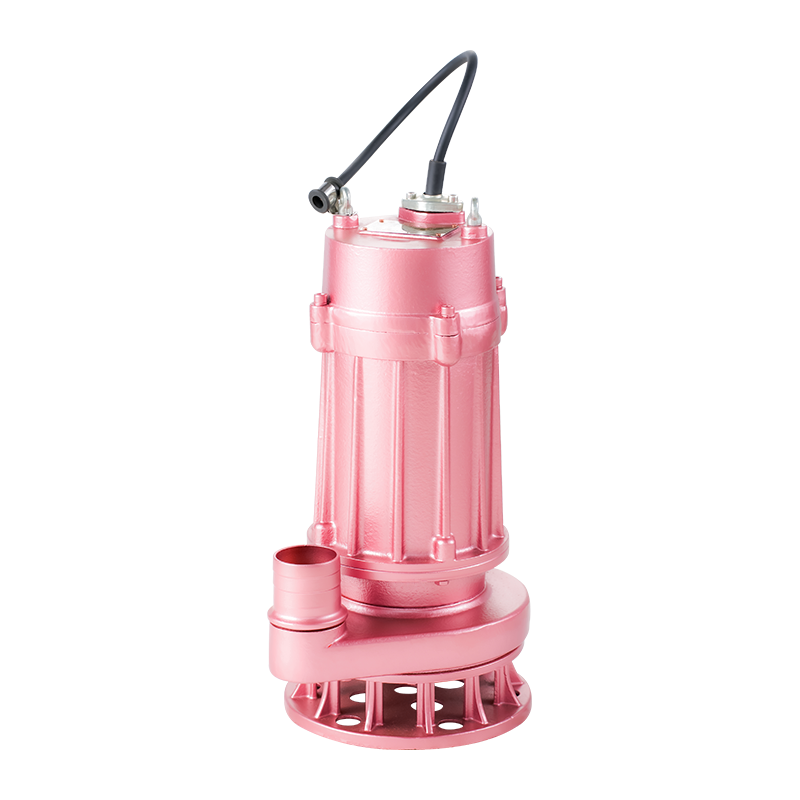
A sewage pump is a specialized centrifugal pump designed to transport wastewater containing solid particles and fibrous materials that would clog standard pumping equipment. The fundamental distinction in sewage pump classification relates to installation configuration, with submersible models designed to operate while fully immersed in the pumped fluid and dry-pit installations where the pump mechanism remains accessible above the liquid level. Submersible sewage pump configurations dominate the market due to their space-efficient installation and reduced noise characteristics. The key performance challenge for any sewage pump lies in maintaining reliable operation while handling unpredictable solid content, requiring designs that prevent clogging while sustaining flow rates. Sewage pump construction typically employs corrosion-resistant materials including cast iron and stainless steel to withstand the chemically aggressive nature of wastewater environments.
What Structural Design Features Define Effective Sewage Pumps?
The structural design of sewage pumps centers on components that manage solid materials while maintaining hydraulic efficiency. The impeller represents the critical element in sewage pump construction, with several distinct configurations optimized for different waste stream characteristics. Open impeller designs feature vanes attached to a central hub without a front shroud, allowing passage of larger solids while simplifying cleaning when blockages occur. Vortex impeller designs recess the impeller from the main flow path, creating a swirling action that draws fluid through the pump while small contact between solids and the rotating element, making these sewage pump configurations particularly effective for stringy or fibrous materials. Channel impeller designs incorporate wide passages through the vane structure, balancing solids handling capability with improved hydraulic efficiency. The volute or casing surrounding the sewage pump impeller converts velocity energy to pressure energy while directing flow toward the discharge connection.
What Market Dynamics and Applications Shape the Sewage Pump Industry?
Several factors are driving growth and transformation across the sewage pump landscape. Regional distribution of sewage pump demand shows Asia-Pacific accounting for approximately 41 percent of global consumption, driven by rapid urbanization and industrial expansion across developing economies. Municipal wastewater treatment represents the largest application segment for sewage pump installations, as growing urban populations and tightening environmental regulations drive investment in collection system infrastructure. Industrial applications constitute another significant market for sewage pump products, with manufacturing facilities requiring reliable equipment for process wastewater and effluent handling. Residential and commercial building construction drives demand for smaller sewage pump units serving basement bathrooms, below-grade facilities, and commercial kitchen waste systems where gravity drainage proves impossible. Commercial buildings including hotels, shopping centers, and office complexes utilize sewage pump systems for basement facilities and areas below sewer main elevation.
The sewage pump market appears positioned for continued growth as infrastructure investment accelerates and environmental standards become more stringent. These essential machines will remain fundamental to public health protection, moving wastewater reliably from generation points to treatment facilities. The integration of monitoring technology and predictive maintenance capabilities promises to enhance sewage pump system reliability while reducing lifecycle costs.
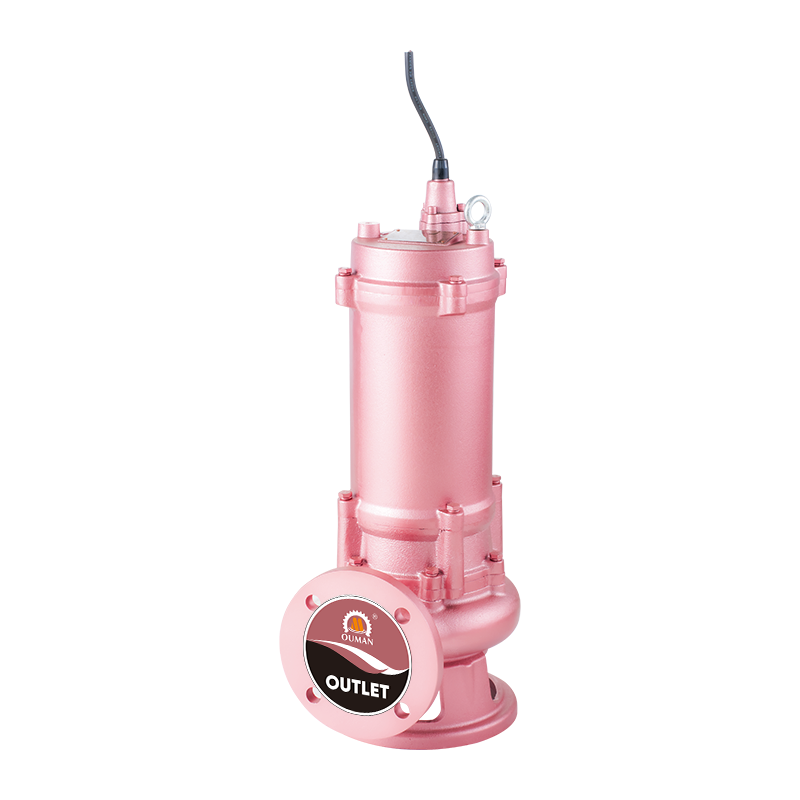
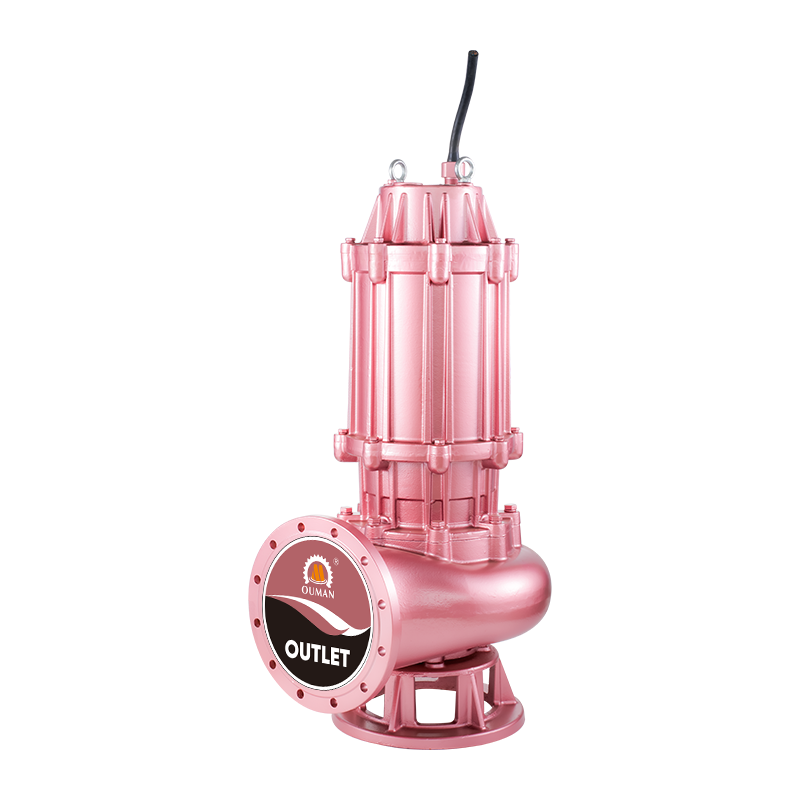
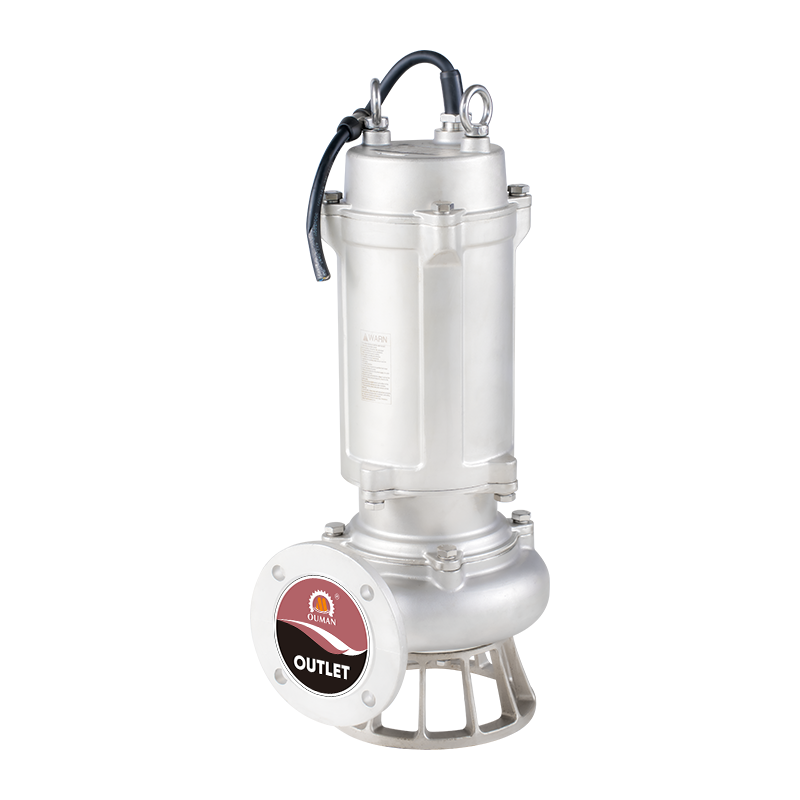
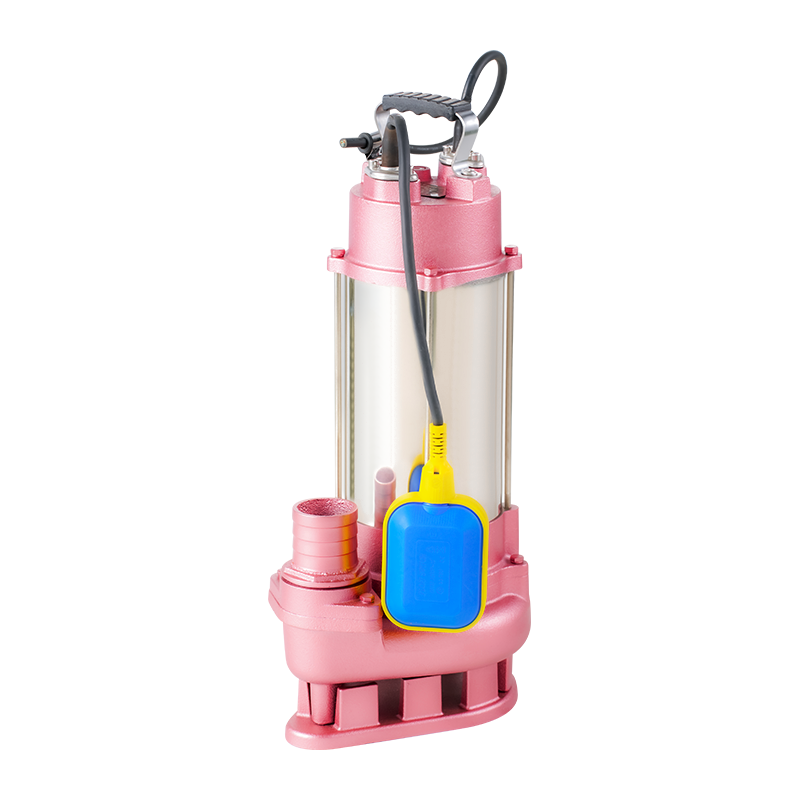
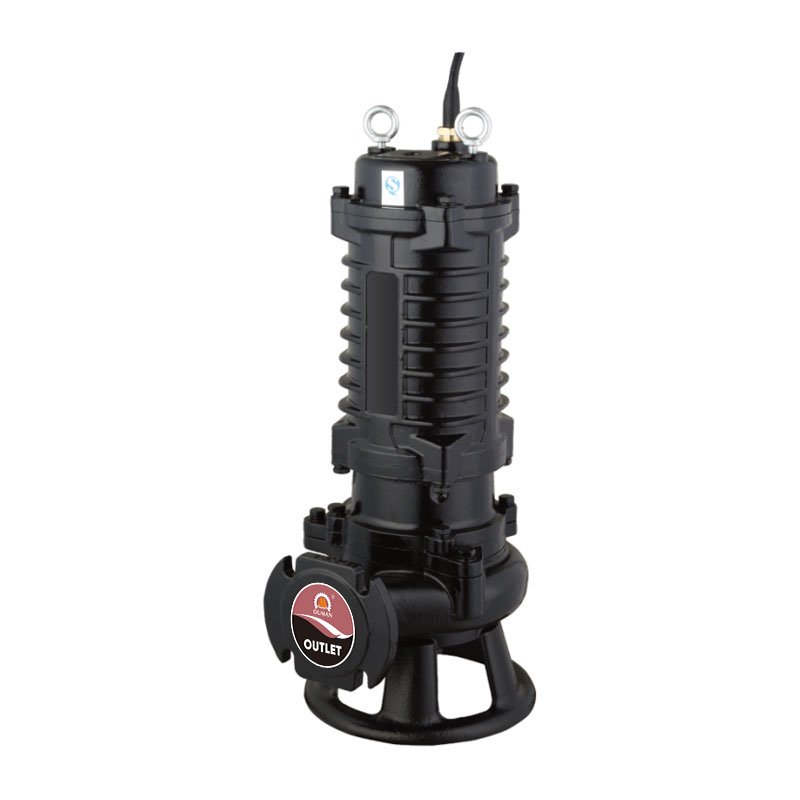
OUMAN Mechanical & Electrical Co., Ltd. proudly introduces the WQK Series Cutting Sewage Submersible Pump—the ultimate solution for challenging wastewater applications. Specifically designed to handle raw sewage and stringy materials, the integrated cutter mechanism effortlessly chops debris to prevent blockages. Whether for municipal sewage treatment, construction site dewatering, or industrial pumping, this submersible pump provides exceptional reliability. Built with a robust motor and corrosion-resistant materials, the WQK series ensures a long service life and low operating costs. Trust OUMAN’s engineering excellence to keep your fluid management systems running efficiently.