
 Eng
Eng  English
 русский
 عربى
عربىThe global mersible pump market is evolving rapidly as technological advancements give buyers more options than ever before. With efficiency standards rising and applications becoming more specialized, understanding the nuances of mersible pump selection is critical for securing reliable long-term operation in water management, agriculture, and industrial processing.
What Types and Technical Features Define Modern Mersible Pump Selection?
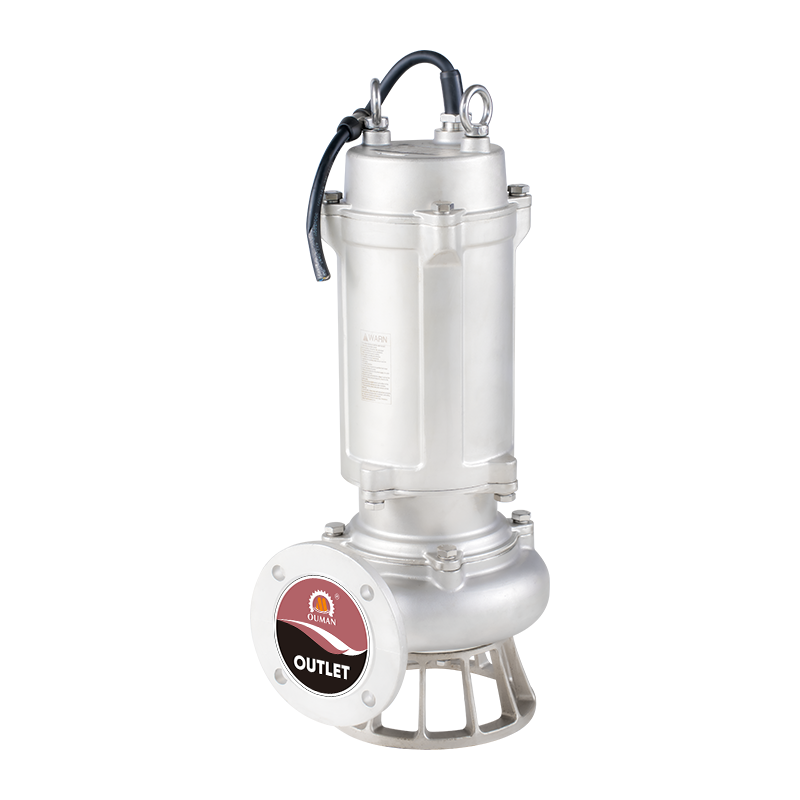
Selecting the correct mersible pump begins with matching the unit’s hydraulic design to the specific application environment. For deep well applications, a multi-stage mersible pump remains the standard choice, utilizing stacked impellers to generate high discharge pressure within a narrow diameter, often reaching total dynamic heads of 80 meters or more while fitting into 4-inch casings. For waste handling, a vortex or channel-type mersible pump is recommended to prevent clogging; these designs typically allow the passage of solids up to 3 inches in diameter without damaging the impeller. When selecting a mersible pump for corrosive environments, buyers should prioritize models with stainless steel or engineered polymer hydraulics, as these materials resist the chemical degradation that affects standard cast iron units.
What Market Trends and Application Factors Influence Mersible Pump Demand?
Current market dynamics show a clear shift toward integrated intelligence in mersible pump systems. Industrial users are increasingly demanding units equipped with built-in thermal and vibration sensors. This allows a mersible pump to communicate real-time operating data to central control systems, enabling predictive maintenance that reduces unexpected downtime. In the agricultural sector, the demand for high-efficiency mersible pumps is rising as groundwater levels decline; farmers require pumps that maintain high flow rates at greater depths without escalating energy costs. The municipal wastewater sector continues to rely on heavy-duty mersible pumps for lift stations, where the ability to handle stringy solids and abrasive particles without jamming is a primary selection factor.
What Key Points Guide the Final Mersible Pump Selection and Sizing?
Proper sizing remains the many critical step in mersible pump selection to prevent premature failure. Buyers should verify that the pump’s diameter fits the well casing or sump constraints; for 6-inch wells, a mersible pump with a 4-inch or 5-inch diameter is typical to allow for proper cooling flow past the motor. Calculating total dynamic head is essential, factoring in static lift, friction losses through the discharge pipe, and any required pressure at the point of use. For wastewater applications, selecting a mersible pump with the appropriate impeller type is vital; a multi-vane semi-open impeller suits slightly dirty water, while a vortex impeller is necessary for raw sewage containing rags and plastics.
The selection process for mersible pumps will continue to emphasize smart connectivity and material science. As water infrastructure ages globally, the ability to choose a pump that balances hydraulic efficiency with digital monitoring capabilities will define operational success. By focusing on specific technical features and accurate sizing, operators can secure a mersible pump that provides reliable service for years to come.
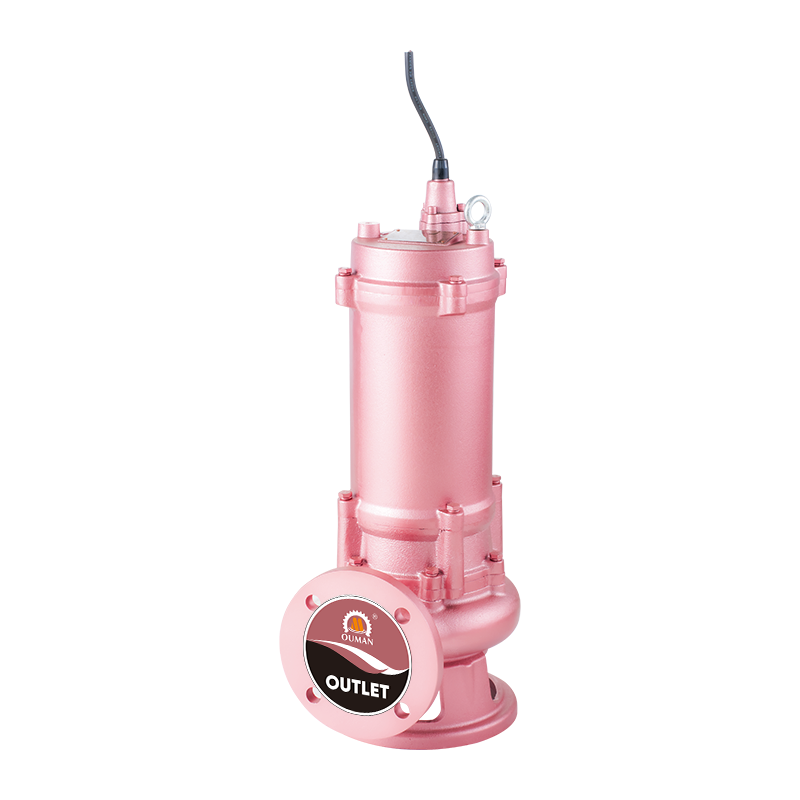
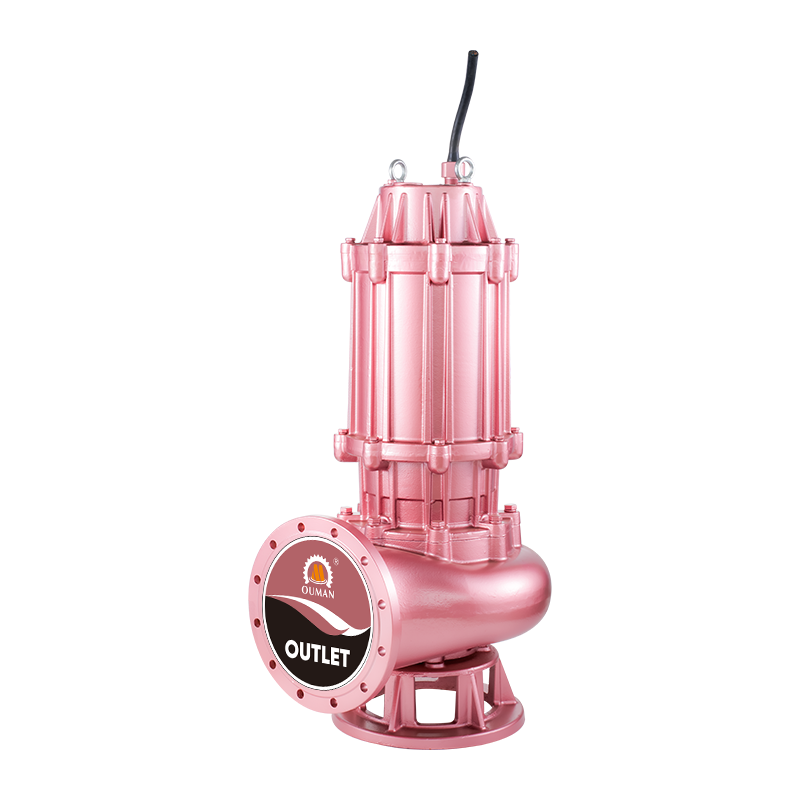
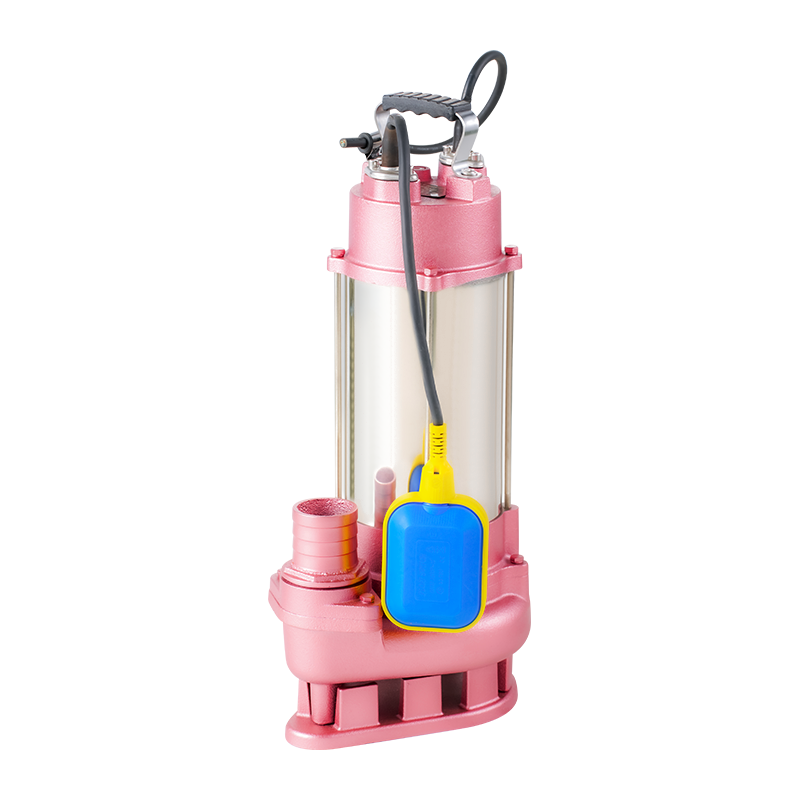
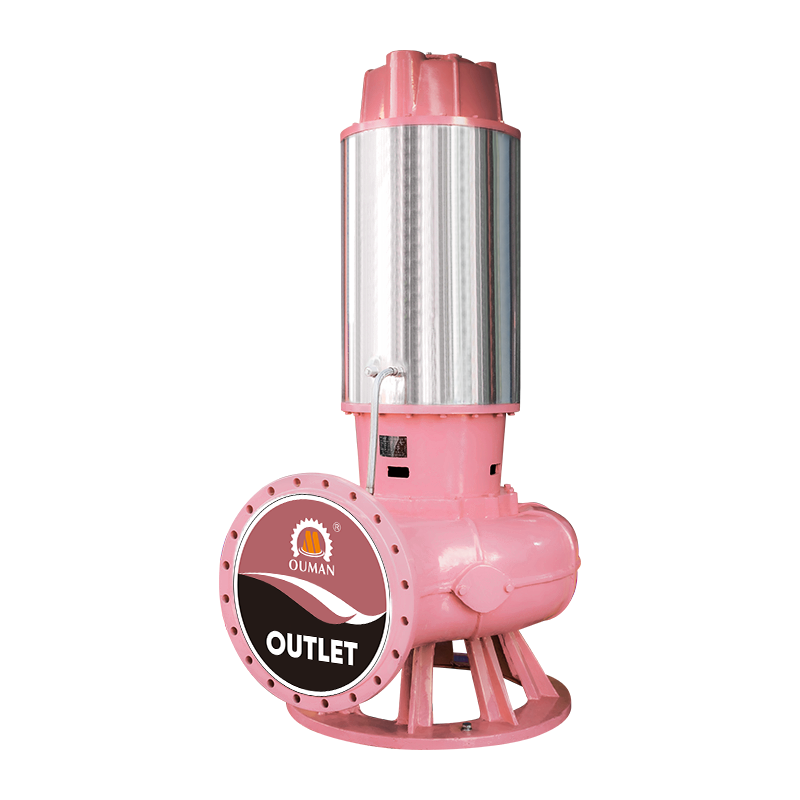
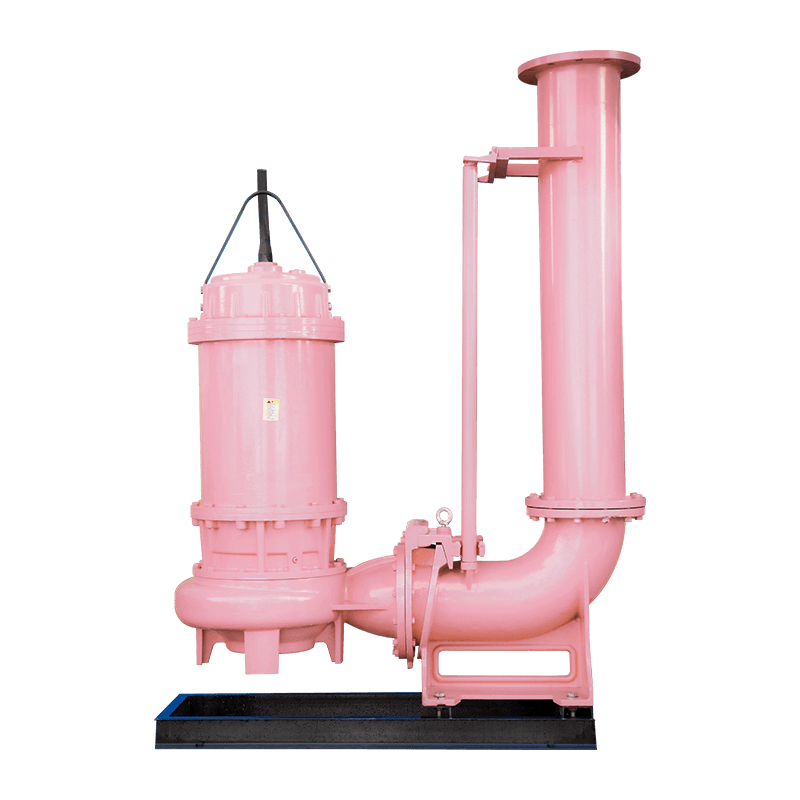
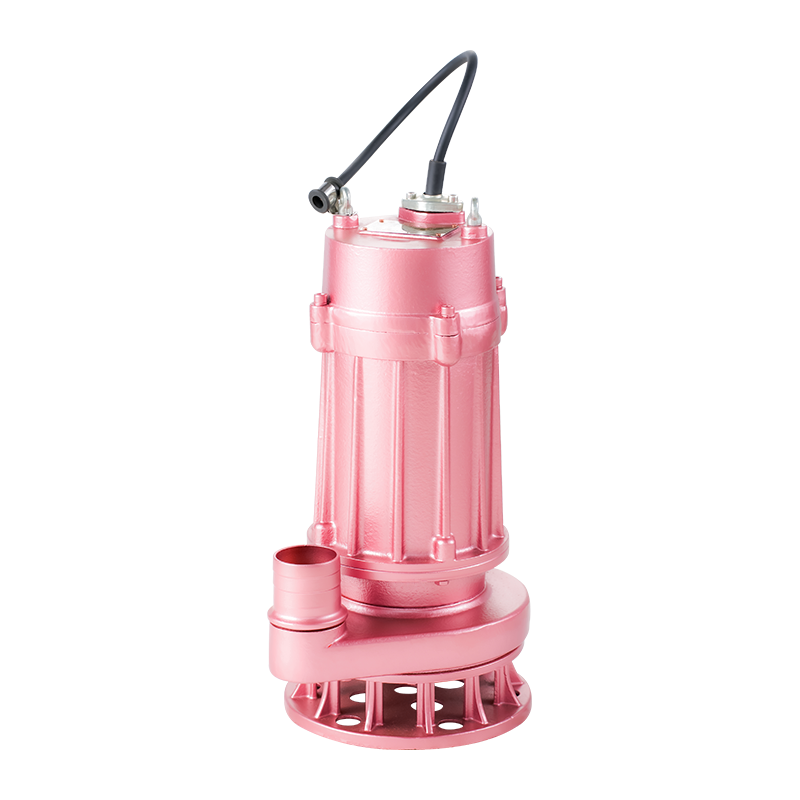
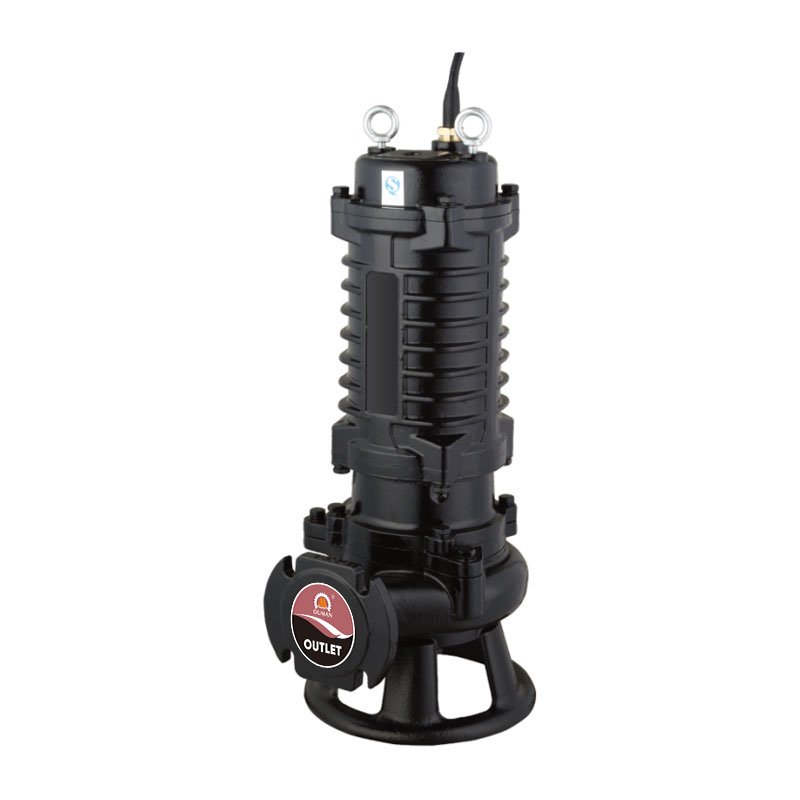
The QXN Built-In Engineering Corrosion-Resistant Submersible Pump from OUMAN Mechanical & Electrical Co., Ltd. delivers reliable water extraction for deep well and engineering applications. Featuring a built-in engineering design, this pump provides high-pressure output suitable for depths exceeding standard submersible capabilities. Constructed with durable materials, it withstands continuous operation in demanding groundwater environments, including boreholes, irrigation systems, and municipal water supply projects. Engineered for efficiency, the QXN series maintains consistent flow rates under varying head pressures.