
 Eng
Eng  English
 русский
 عربى
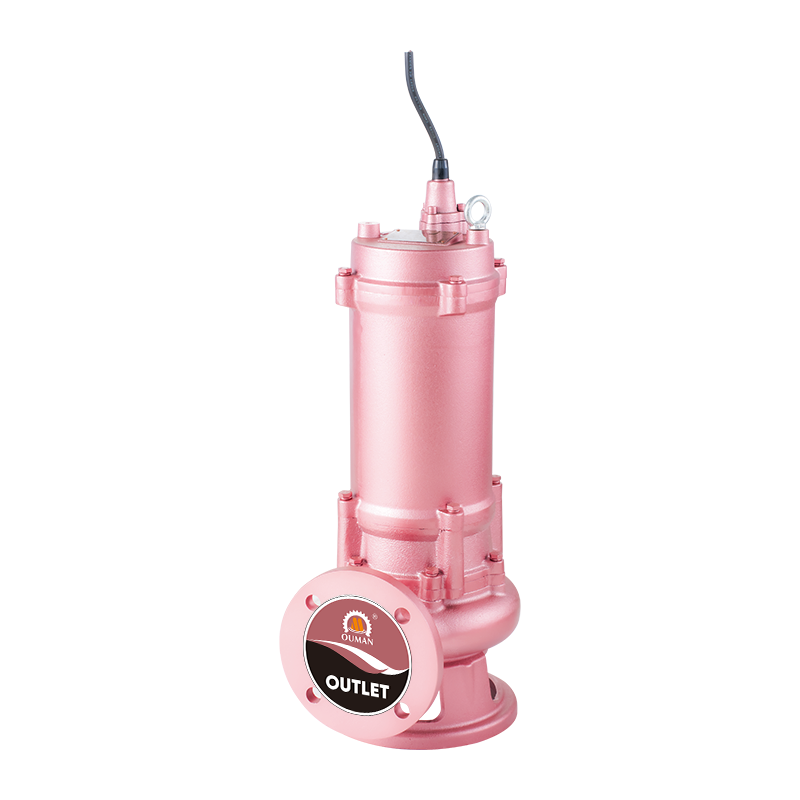
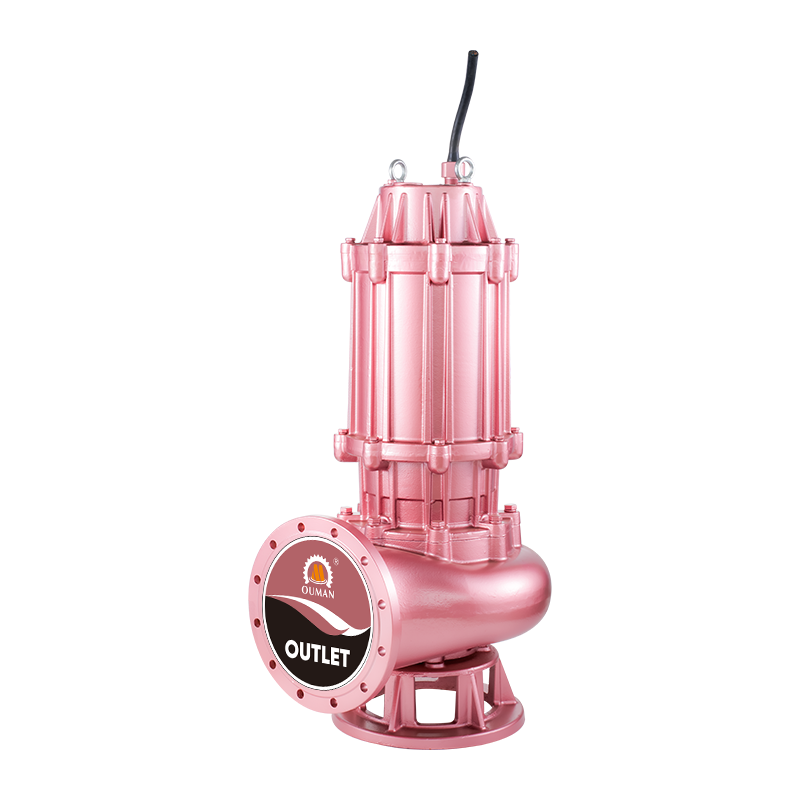
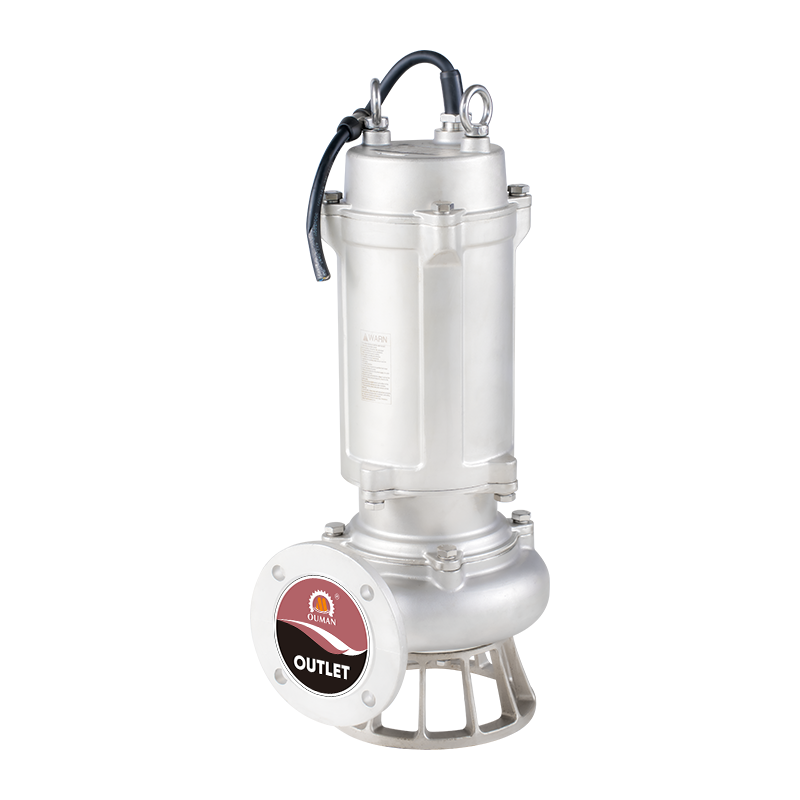
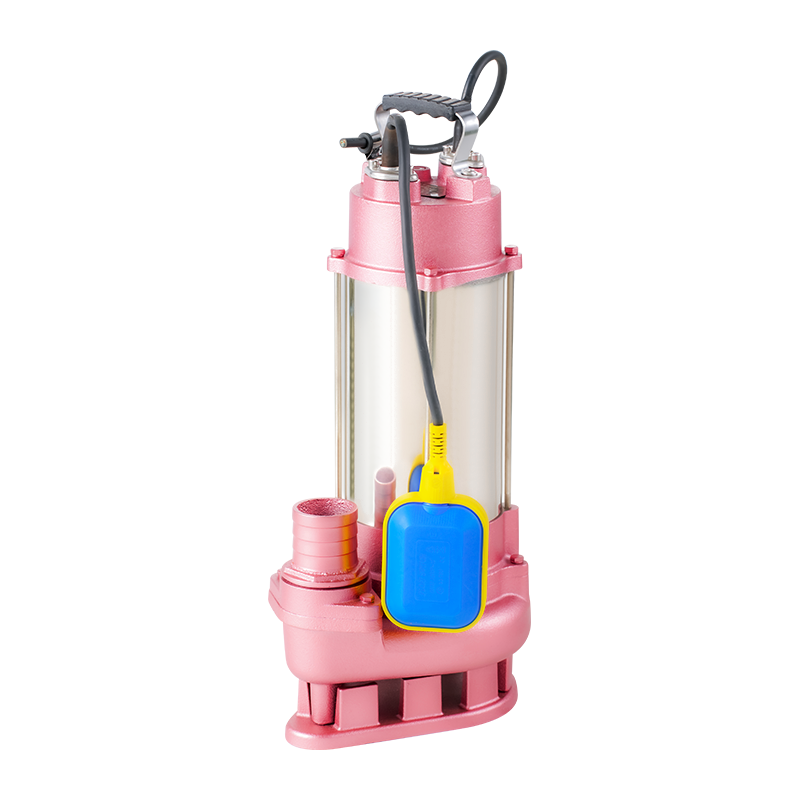
عربىThe Submersible Pump has become the core of modern fluid management, operating fully submerged to push water or other liquids to the surface with remarkable efficiency. In 2025, the global submersible pump market reached an estimated value of $18.5 billion, with over 70 percent of new installations serving residential, agricultural, or industrial dewatering needs. Unlike traditional pumps that draw water upward, a Submersible Pump uses a sealed motor to push liquid from below, achieving energy savings of 25 to 35 percent compared to jet pump systems.
What are the key components and main features of a Submersible Pump?
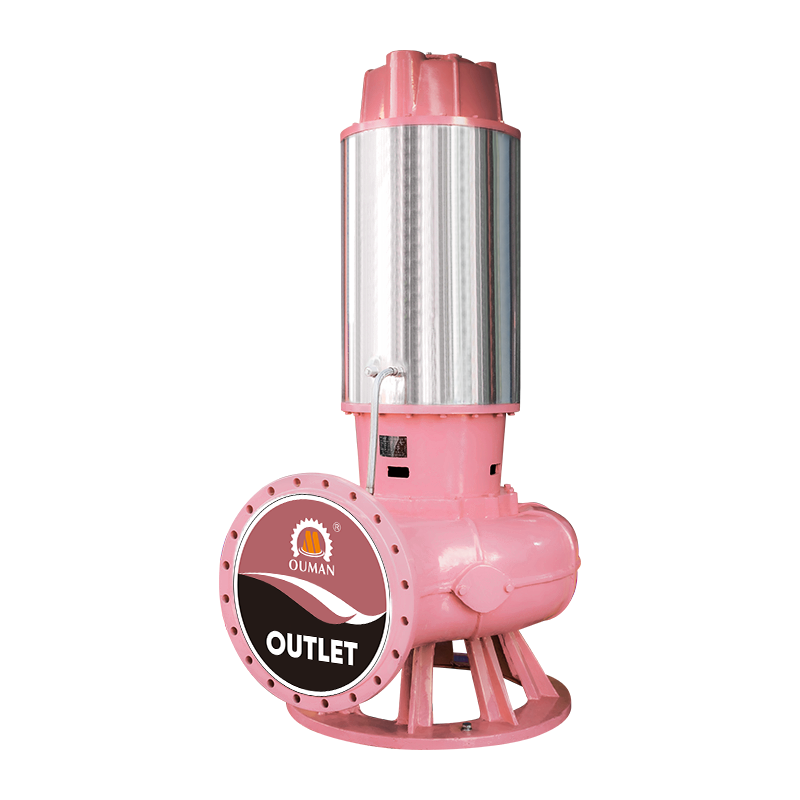
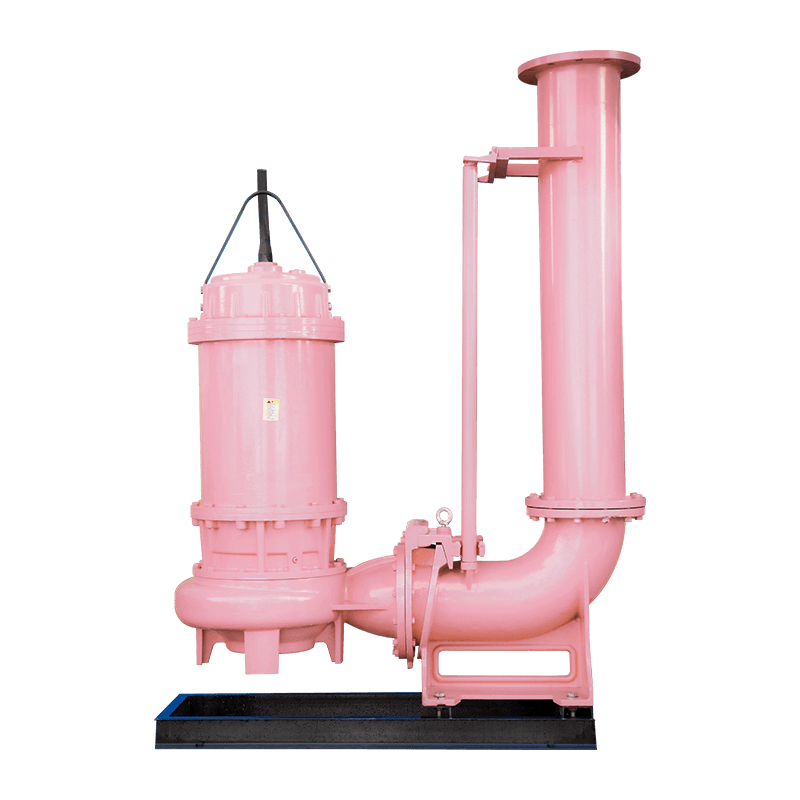
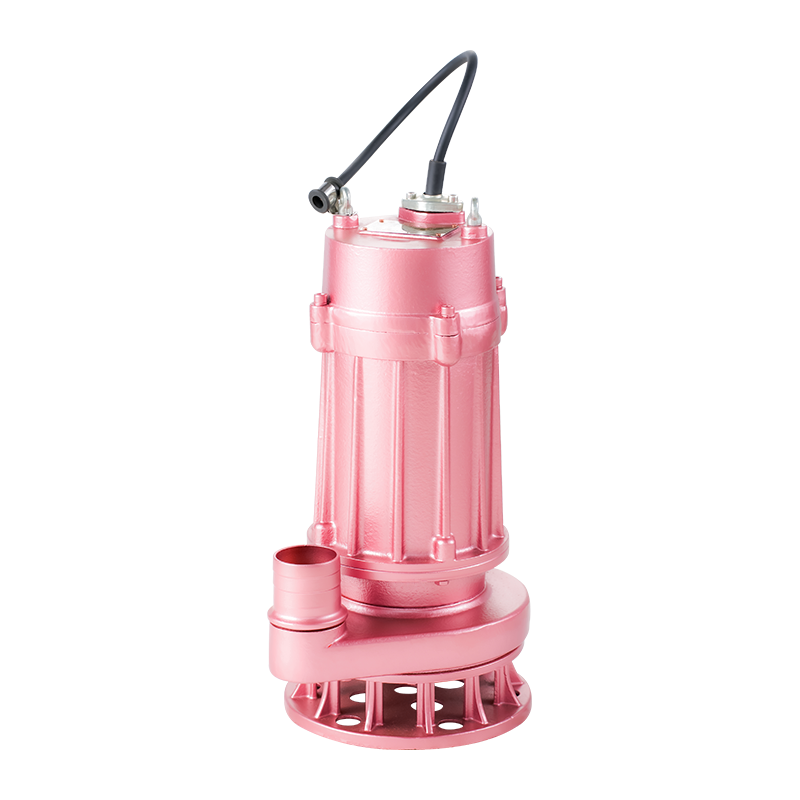
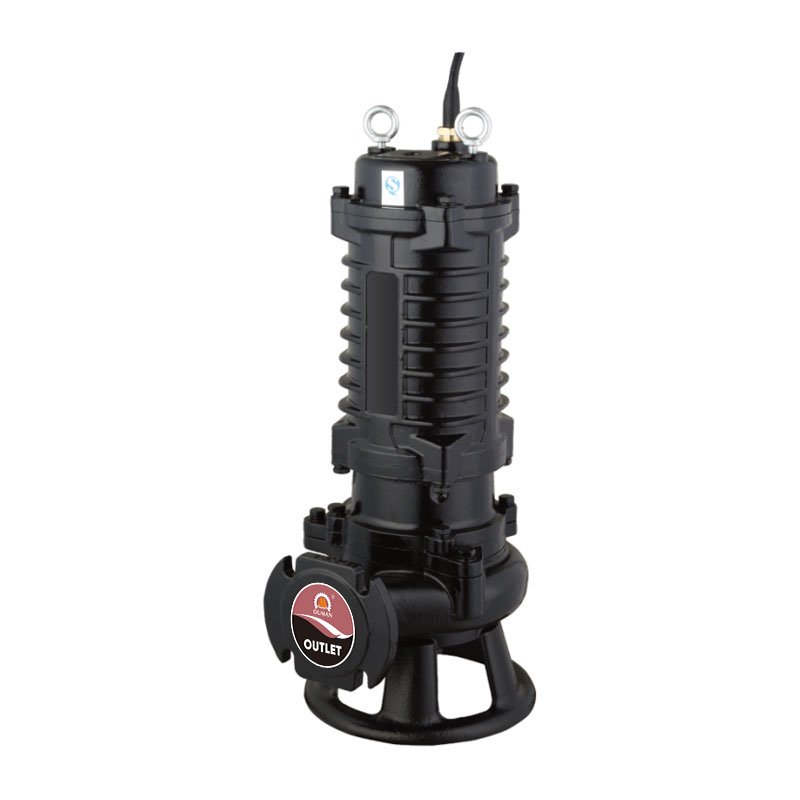
The core components include the motor, impeller assembly, mechanical seal, and discharge casing. The motor is hermetically sealed within a stainless steel housing, filled with dielectric oil that transfers heat and prevents moisture damage. A typical residential Submersible Pump uses a motor rated between 0.5 and 5 horsepower, spinning at 2,850 to 3,450 revolutions per minute. The impeller, usually made of cast iron or engineered thermoplastic, rotates to create centrifugal force, pushing liquid outward and upward. Mechanical seals, often silicon carbide or carbon ceramic, provide a watertight barrier around the drive shaft, with a tested lifespan of over 10,000 hours of continuous operation.
What are the common application scenarios for a Submersible Pump?
Residential applications account for approximately 40 percent of Submersible Pump sales, with basement dewatering being the common use. In flood-prone regions, a single Submersible Pump can remove 2,000 gallons of water per hour, keeping finished basements dry during heavy rain events. Private water wells represent another major residential use, where pumps lower into 4-inch or 6-inch casings deliver water to family homes at pressures of 40 to 60 pounds per square inch. Agricultural operations rely on Submersible Pump units for irrigation, drawing groundwater from depths of 50 to 300 feet to feed drip or sprinkler systems covering up to 50 acres. A 2024 study of corn farms showed that switching from jet pumps to submersible models reduced irrigation energy costs by 30 percent annually.
What are the development trends shaping the future of the Submersible Pump?
By 2028, industry data suggests that 45 percent of new Submersible Pump units will incorporate variable frequency drives, allowing the motor to adjust speed based on real-time demand. This technology can cut energy consumption by 20 to 40 percent compared to fixed-speed models. Another emerging trend is the use of corrosion-resistant materials such as super duplex stainless steel and high-grade polymers, extending pump life in saltwater and chemical environments to over 15 years. Smart monitoring systems are becoming common, with sensors that track vibration, temperature, and flow rate, sending alerts to mobile devices when maintenance is needed. Early adopters have reported a 35 percent reduction in unexpected pump failures using such systems.
The Submersible Pump remains an essential tool for moving water where gravity alone will not suffice. From keeping basements dry to irrigating crops and treating municipal wastewater, these units perform reliably across countless settings. Data from energy audits shows that upgrading to a modern Submersible Pump can pay for itself within 18 to 24 months through electricity savings alone. As variable frequency drives, solar power, and smart sensors become standard features, the Submersible Pump will deliver even more value with less environmental impact. And that is why the Submersible Pump continues to be a cornerstone of water management for homes, farms, and cities worldwide.
The QY Series Oil-Immersed Submersible Pump from OUMAN Mechanical & Electrical Co., Ltd. delivers reliable performance for drainage and water transfer applications. Featuring an oil-immersed motor design, this pump provides efficient heat dissipation and continuous operation for extended periods. The durable construction handles clean water, light slurry, and agricultural runoff in irrigation, construction dewatering, and residential drainage scenarios. The submersible configuration allows fully submerged operation, eliminating suction lift requirements and reducing noise levels. The oil-filled cavity protects internal components from moisture damage and lubricates bearings for smooth rotation. Suitable for ponds, basements, trenches, and flood control applications, this pump maintains consistent flow rates under varying conditions. Regular inspection of seals and power cables ensures operational safety.