
 Eng
Eng  English
 русский
 عربى
عربىThe global fluid handling sector is tracking a notable upward curve for the stainless steel submersible pump, a category that has become indispensable across municipal, industrial, and resource extraction applications. Unlike cast iron alternatives that succumb to corrosion, the stainless steel submersible pump delivers operational longevity in aggressive media, reshaping procurement calculations worldwide. Current market assessments place this segment at approximately 3.8 billion dollars, with a compound annual growth rate near 5.2 percent as end-users prioritize lifecycle costs over initial capital outlay. Water utilities, mining operators, and food processing plants are driving demand, drawn by inherent resistance to oxidation, acidic groundwater, and saline intrusion. As infrastructure budgets tighten and water quality regulations intensify, the stainless steel submersible pump is transitioning from a premium alternative to a standard specification where downtime carries prohibitive consequences.
Where Are the Defining Application Scenarios Emerging?
The deployment map is expanding into environments that would quickly degrade conventional equipment. Coastal groundwater extraction represents a primary growth vector, with saltwater intrusion now affecting aquifers serving an estimated 40 percent of the global population living within 100 kilometers of a coastline. Municipal water departments are replacing cast iron vertical turbine pumps with stainless steel multistage submersibles capable of operating at depths exceeding 250 meters while maintaining a pH tolerance from 4.5 to 9.5. The mining sector presents another demanding application, particularly in copper and lithium extraction where process water carries sulfuric acid concentrations of up to 15 percent at temperatures above 45 degrees Celsius. Aquaculture operations are adopting these pumps for recirculating systems where iron oxide contamination from corroding components can trigger mortality events in sensitive species, driving specification toward polished 316L stainless steel.
How Are Technology and Material Science Advancing the Category?
Innovation is proceeding on multiple fronts. Duplex stainless steel grades containing 22 percent chromium and 5 percent nickel have demonstrated impeller service lives of 14,000 to 18,000 hours in acidic mining slurries, compared to 3,500 to 5,000 hours for standard 304 stainless steel. Super duplex alloys with 25 percent chromium, 7 percent nickel, and molybdenum up to 4 percent are entering service for bad chloride environments, achieving a pitting resistance equivalent number exceeding 40. Computational fluid dynamics has optimized impeller vane curvature, reducing cavitation erosion by an estimated 27 percent at flow rates between 20 and 80 cubic meters per hour. Permanent magnet motor technology is gaining ground, with synchronous motors achieving 92 percent efficiency at partial load versus 84 percent for conventional induction motors, saving roughly 1,800 kilowatt-hours annually for a 15-kilowatt unit operating 4,000 hours per year. Carbon ceramic mechanical seals with silicon carbide faces are replacing tungsten carbide in abrasive conditions, extending seal life from 8,000 hours to beyond 20,000 hours.
What Market and Industry Trends Are Reshaping the Landscape?
The market is shaped by raw material economics, regulatory tightening, and digital service expectations. Nickel prices have fluctuated between 18,000 and 25,000 dollars per metric ton over the past two years, prompting exploration of ferritic stainless grades that reduce nickel content by up to 60 percent while retaining comparable corrosion resistance. On the regulatory front, permissible lead leaching thresholds set at 0.25 percent by weight in several jurisdictions are disqualifying traditional leaded bronze components and accelerating the shift toward stainless steel. Distribution channels are changing structurally, with e-commerce platforms capturing an estimated 23 percent of aftermarket sales for replacement pumps in the 2 to 15 horsepower range, a share that has doubled since 2019. This digital shift compresses delivery lead times from 12 business days to under 72 hours in major urban centers, while squeezing distributor margins by roughly 4 percentage points. Predictive maintenance is gaining traction, with vibration data from pump-mounted sensors enabling service providers to forecast bearing failure windows with 87 percent accuracy at a 30-day horizon, reducing unscheduled downtime by an estimated 35 percent in adopting municipal networks.
The convergence of demanding applications, metallurgical innovation, and digitally enabled service infrastructure is cementing the position of the stainless steel submersible pump in the global equipment hierarchy. As mining operations probe deeper into acidic formations and coastal cities confront advancing saltwater intrusion, the case for stainless steel metallurgy becomes inseparable from business continuity planning. The market is moving toward a future where material selection is an important specification written, and the stainless steel submersible pump is the benchmark against which alternatives are measured.
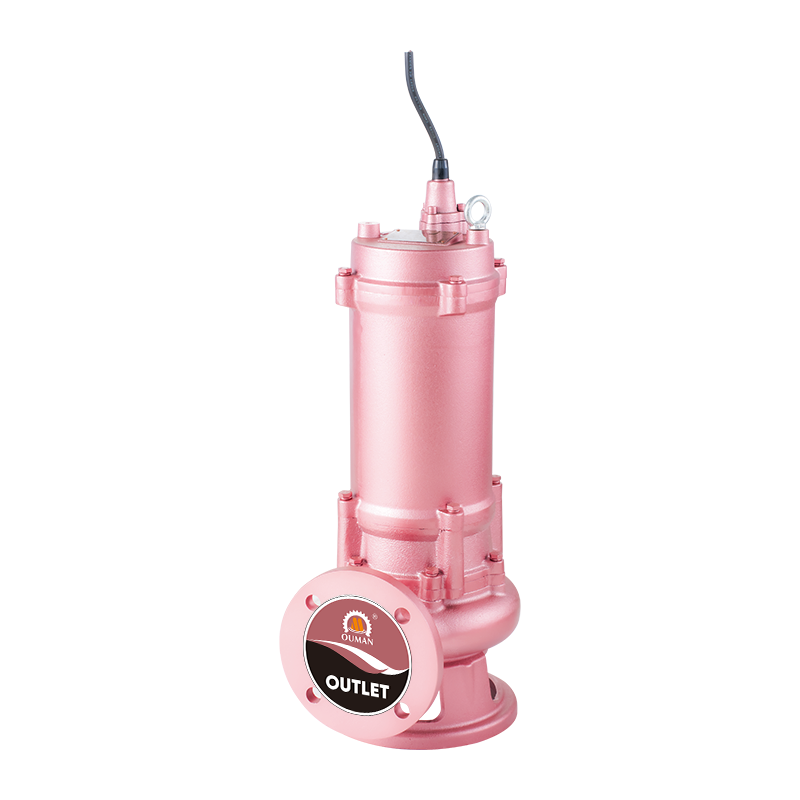
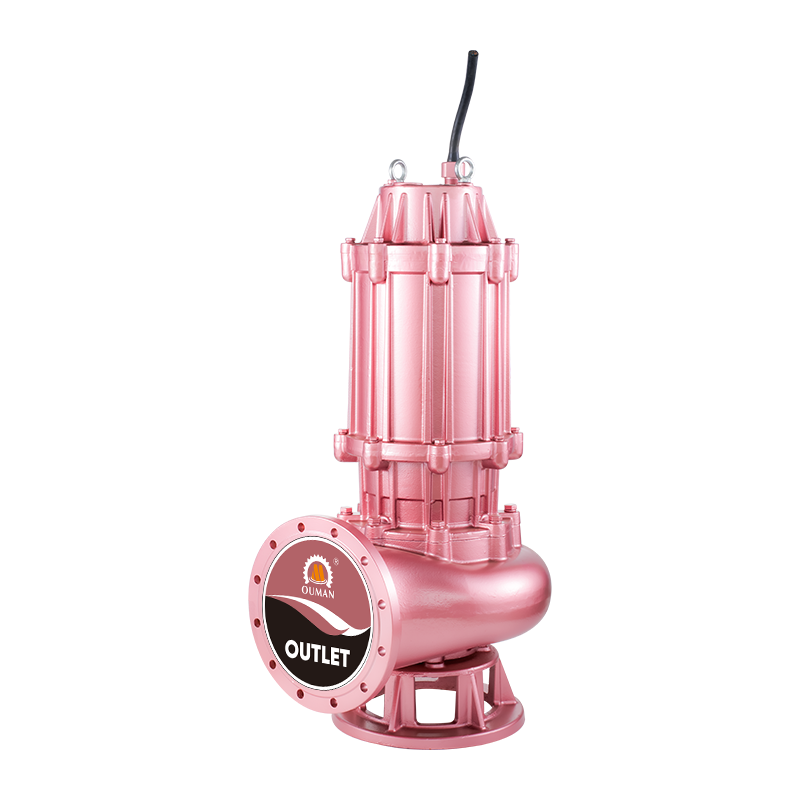
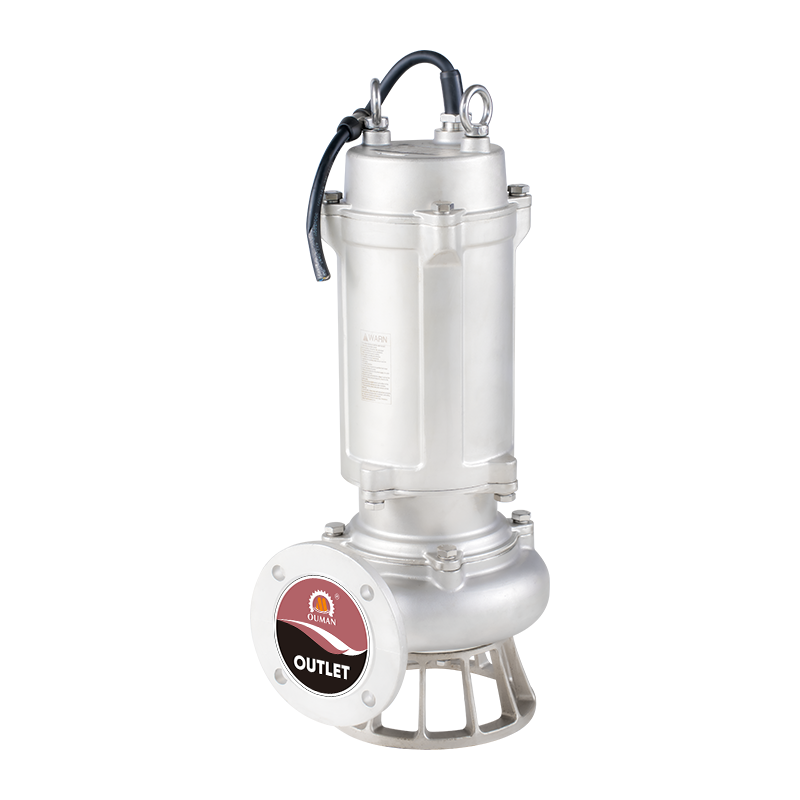
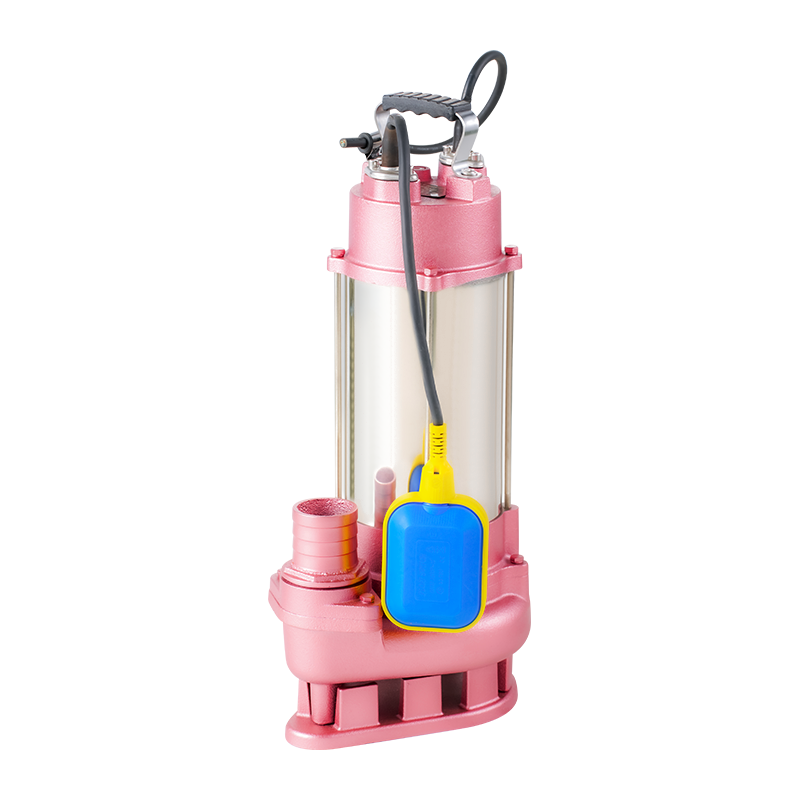
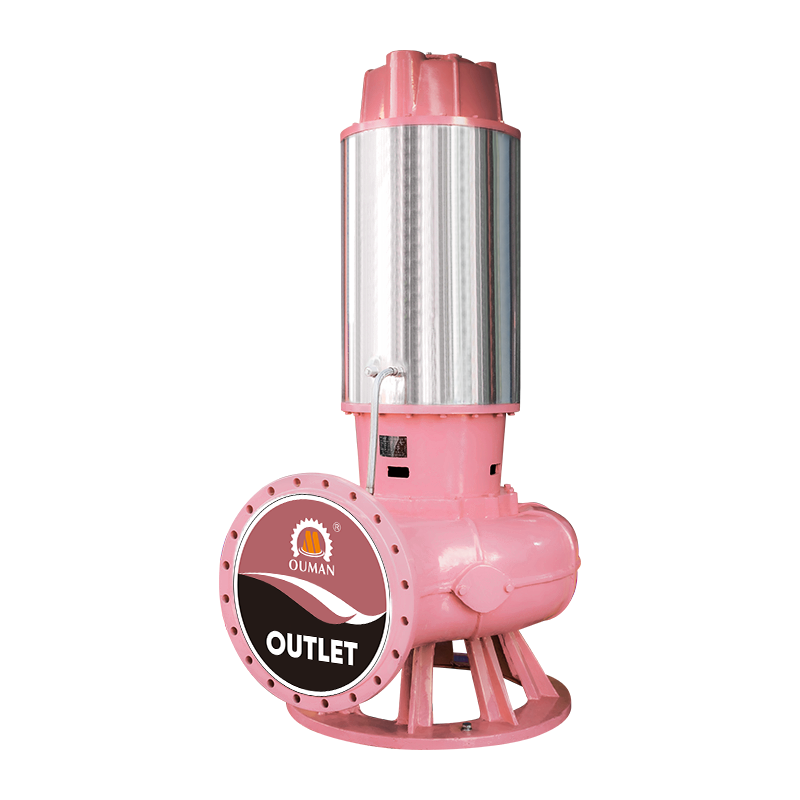
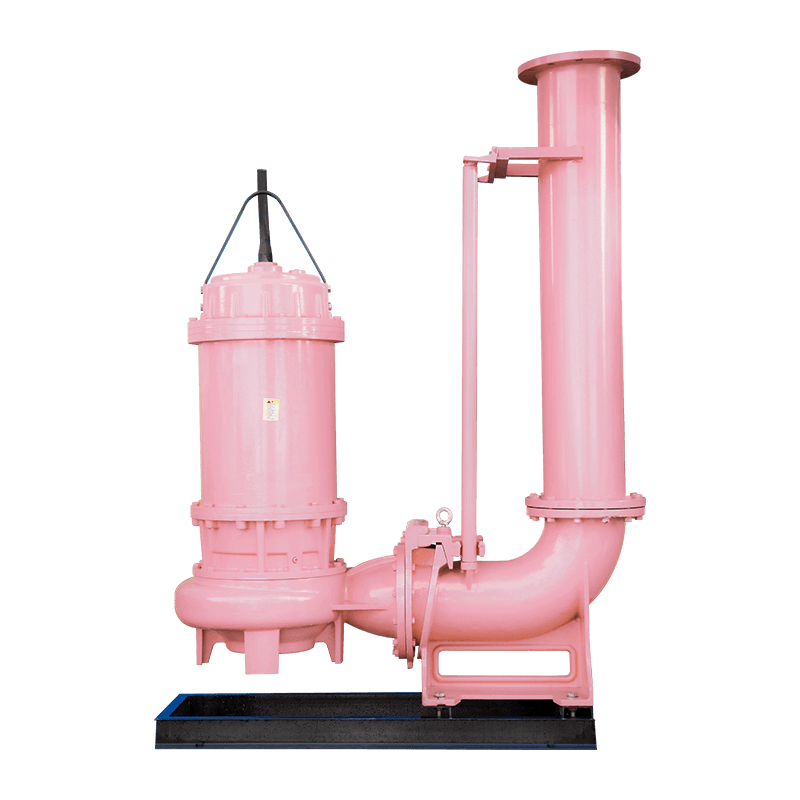
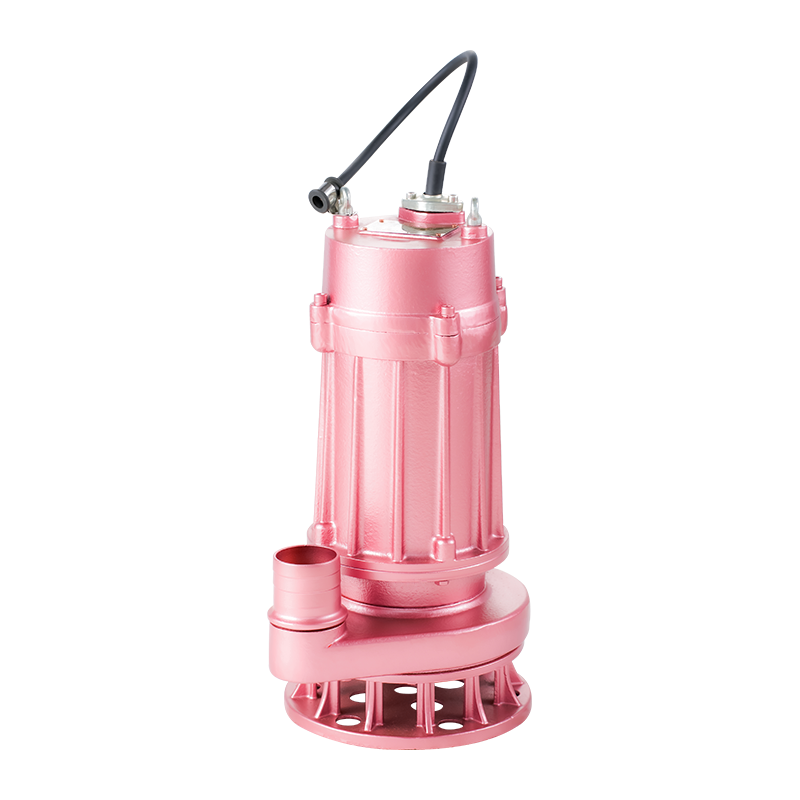
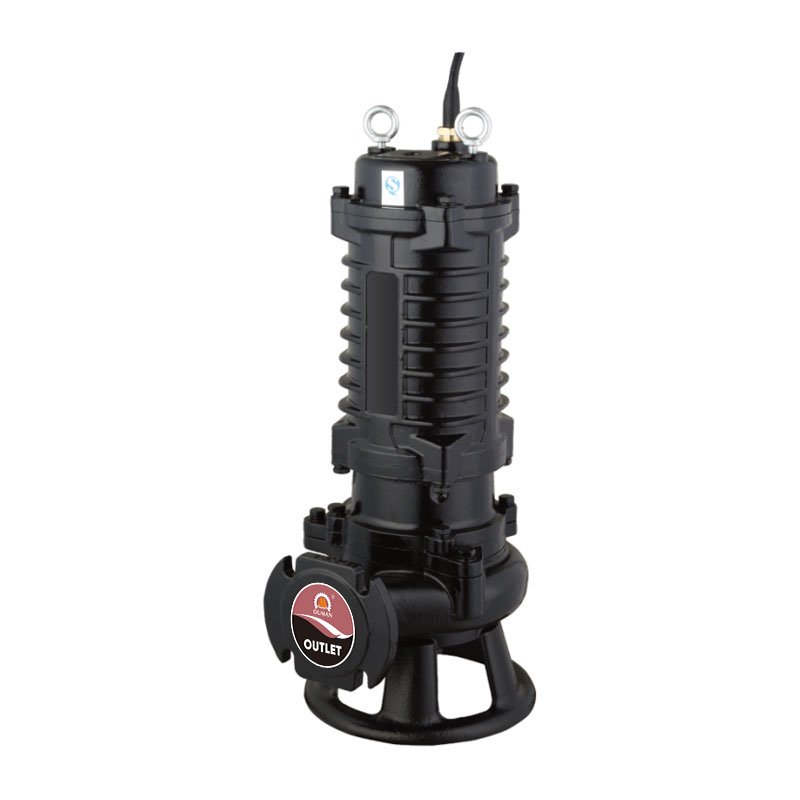
For efficient wastewater management, we highly recommend the WQD/WQ Series Stainless Steel Submersible Sewage Pump from OUMAN Mechanical & Electrical Co., Ltd. Built with high-grade stainless steel, this pump offers outstanding corrosion resistance and durability for long-term use. Its submersible design handles sewage, debris, and slurry with ease, making it ideal for residential, commercial, and industrial applications. The series features a clog-resistant impeller, thermal overload protection, and energy-saving performance. Whether for basement drainage, septic systems, or pumping stations, the WQD/WQ Series delivers reliable, trouble-free operation. Choose OUMAN for robust quality and outstanding value.