
 Eng
Eng  English
 русский
 عربى
عربىThe Sewage Pump represents a critical investment for property owners, as improper selection leads to frequent clogs and premature motor failure. In 2025, the global sewage pump market was valued at approximately $10.5 billion, with improper selection accounting for an estimated 35 percent of all pump failures within two years. A correctly chosen Sewage Pump operates for 8,000 to 12,000 hours between service intervals, while an undersized unit may fail within 1,500 hours. Without proper attention to Sewage Pump selection, residential properties face sewage backups and commercial buildings risk basement flooding. Data from repair shops indicates that 40 percent of warranty claims trace back to selection errors rather than manufacturing defects.
What factors should guide Sewage Pump sizing and procurement decisions?
Solids handling capability is the first consideration, measured by the diameter of spherical solids the pump can pass. Residential units typically pass 2-inch solids, while commercial pumps handle 3 to 4 inch solids. A pump selected without adequate solids capacity will clog repeatedly, with each cleaning costing 150 to150to400. Flow requirements must be calculated based on peak usage. A four-bedroom home needs a Sewage Pump rated at 30 to 50 gallons per minute, while a small commercial building needs 75 to 150 gallons per minute. Total dynamic head combines vertical lift and friction losses. A residential pit 10 feet deep with 50 feet of horizontal pipe requires a pump rated for 25 to 30 feet of head. Power ratings range from 1/2 horsepower for residential units to 5 to 10 horsepower for commercial use. A 2024 survey found that property managers who consulted pump performance curves reduced five-year ownership costs by 45 percent.
What are the common application scenarios for different Sewage Pump specifications?
Residential applications account for 50 percent of Sewage Pump sales, with units installed in basement pits. A typical single-family home requires a 1/2 to 3/4 horsepower motor with 2-inch solids passage, lasting 7 to 10 years. Multi-family buildings require heavier specifications, with 3 to 5 horsepower pumps handling 100 to 300 gallons per minute. Commercial applications include restaurants where pumps must handle grease and food solids. Restaurant pumps with cast steel cutters reduce clog frequency by 60 percent. Municipal lift stations represent the most demanding application, using 10 to 50 horsepower motors with flow capacities exceeding 1,000 gallons per minute. These stations include alternation systems that rotate pump operation, extending service life by balancing wear.
What technical trends are shaping Sewage Pump selection for buyers?
By 2027, 60 percent of new Sewage Pump purchases will include variable frequency drives, reducing energy consumption by 25 to 40 percent while lowering mechanical stress. Smart monitoring systems with sensors track current draw, vibration, and cycle counts, sending alerts 30 to 60 days before failure occurs. A wastewater study showed predictive maintenance reduced unexpected failures by 55 percent. Corrosion-resistant coatings extend pump life in aggressive environments by 200 to 300 percent. Energy efficiency standards now require Sewage Pump motors to meet IE3 levels by 2028, reducing electrical consumption by an additional 10 to 15 percent.
The Sewage Pump selection process directly impacts long-term operating costs and property protection. Data from facility management studies shows that buyers who invest time in proper Sewage Pump selection spend 50 percent less on maintenance over a 10-year period. As variable frequency drives and smart sensors become more affordable, even residential installations benefit from these advances. And that is why careful Sewage Pump selection remains the most important step in any wastewater pumping installation.
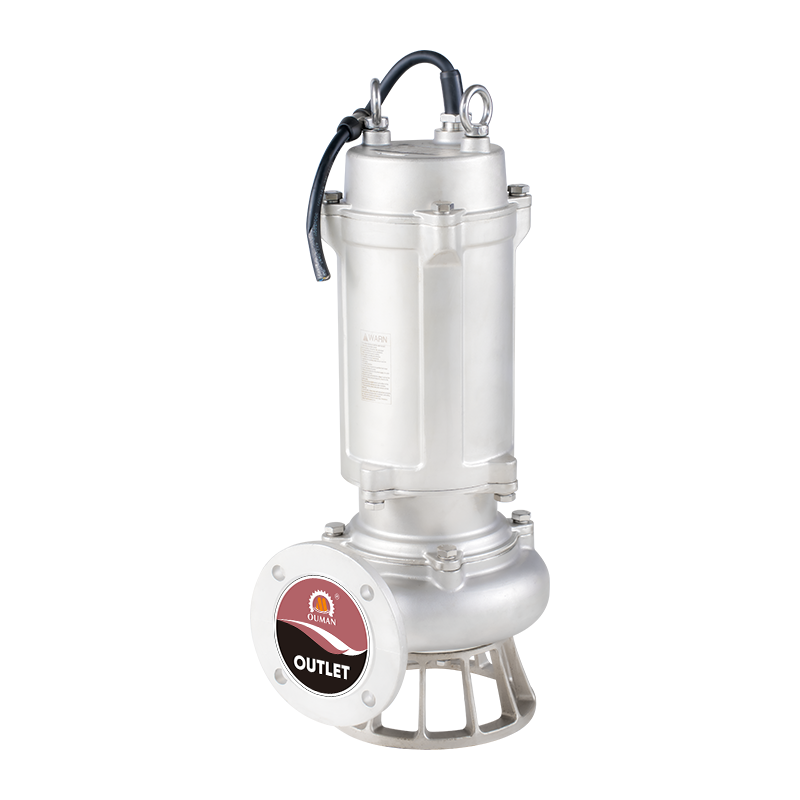
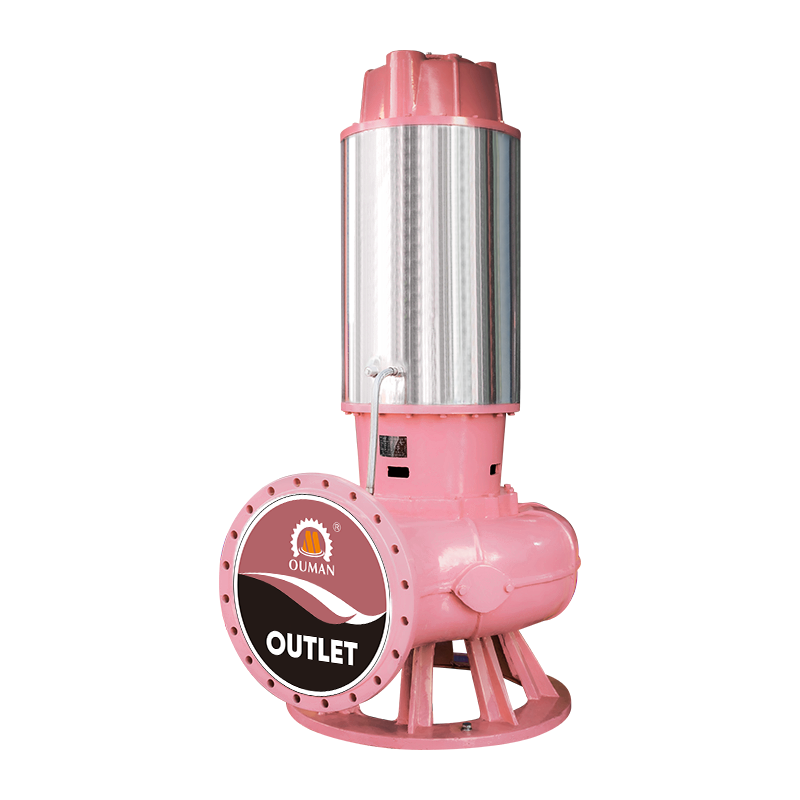
For environments where flammable gases or vapors may be present, the BWQ Stainless Steel Explosion-Proof Submersible Sewage Pump from OUMAN Mechanical & Electrical Co., Ltd. offers a suitable solution. Constructed with stainless steel components, this pump resists corrosion while handling sewage and industrial wastewater. The explosion-proof rating allows installation in hazardous locations such as petrochemical facilities, fuel storage areas, and treatment plants handling volatile materials. Stainless steel construction extends service life in aggressive fluid conditions. For projects requiring both explosion protection and corrosion resistance, the BWQ pump provides a practical equipment choice.