
 Eng
 English
 русский
 عربى
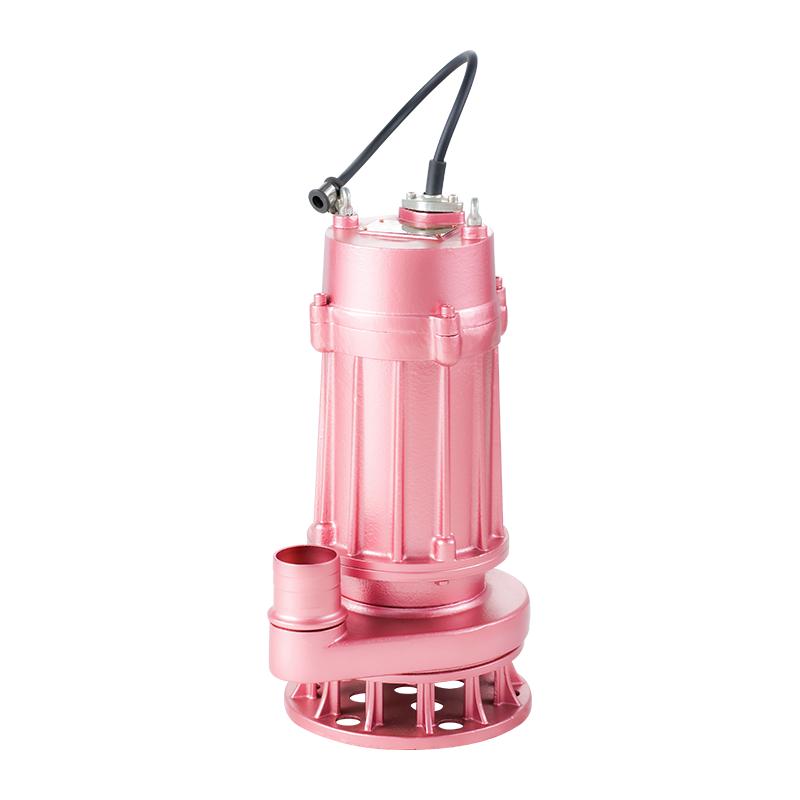
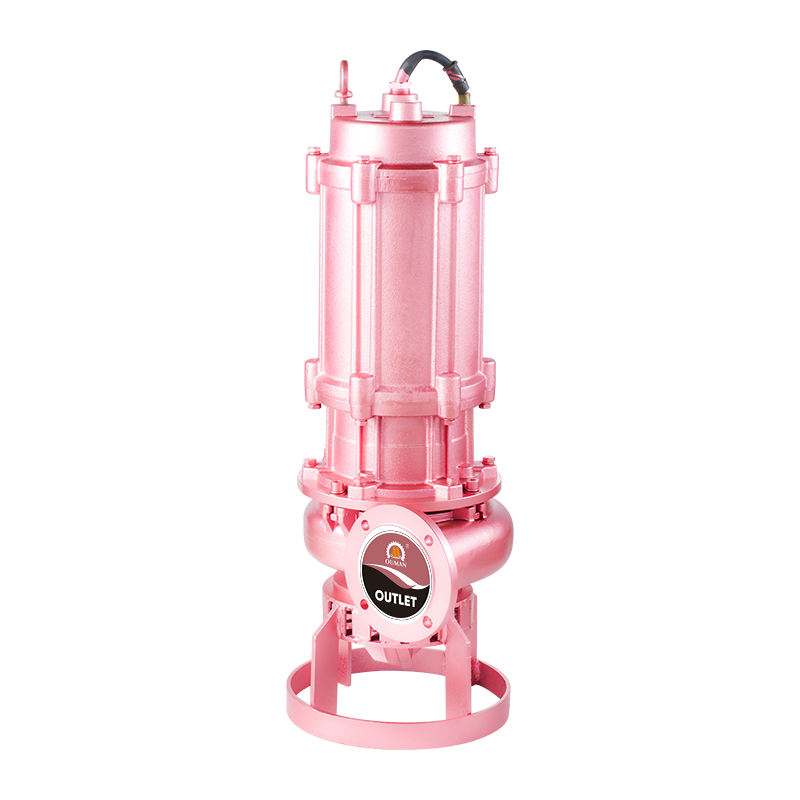
Wastewater does not always collect beside a fixed pumping station. Construction areas, basements, temporary drainage points, ponds, and other work locations may require water to be moved from one place to another without a permanent pumping system. In these situations, a Portable Waste Water Pump provides a flexible way to handle wastewater where the drainage point can change from one task to another.
Unlike a permanently installed pump, portable equipment is intended to be moved between working areas. This changes the requirements for the pump itself, including its overall arrangement, connection method, and suitability for different drainage tasks.
Temporary Drainage Needs a Different Pumping Approach
Fixed sewage systems are designed around known pipe routes and permanent installation points. Temporary drainage is less predictable. A construction area may collect water in a pit today and require drainage from another low-lying section later.
A portable pump can be positioned closer to the water that needs to be removed. This can reduce the need for a permanent pumping structure and make the equipment useful across different work areas.
For this reason, Portable Waste Water Pump applications can include construction projects, temporary drainage operations, basements, ponds, and other locations where wastewater or dirty water needs to be transferred.
Handling Water With Solid Particles
Wastewater is not always clear. Depending on the source, it can contain sludge, debris, fibers, paper pieces, or other solid particles. Pump construction therefore needs to correspond with the type of liquid being transported.
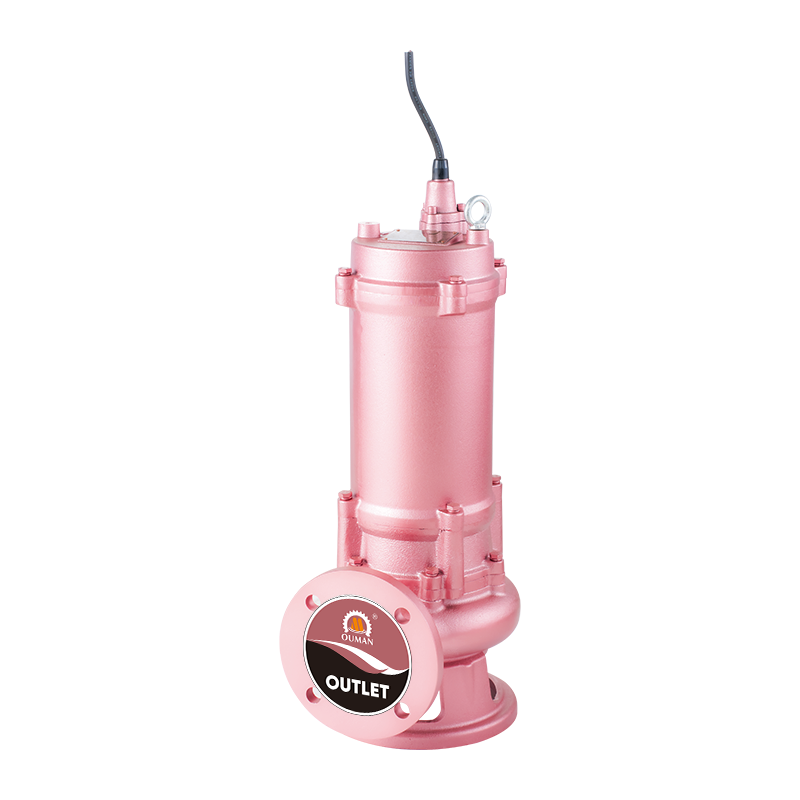
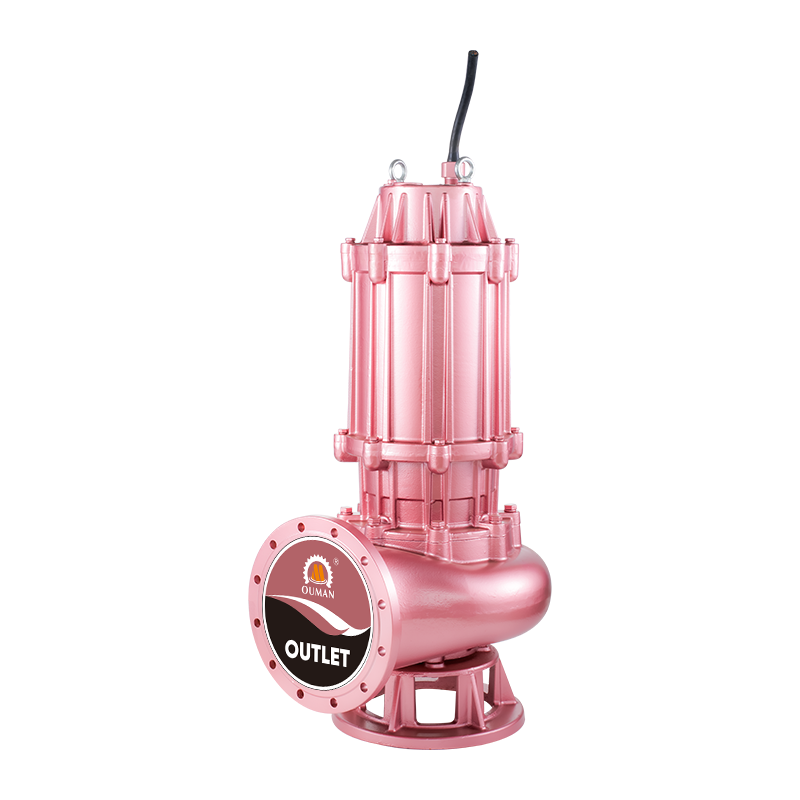
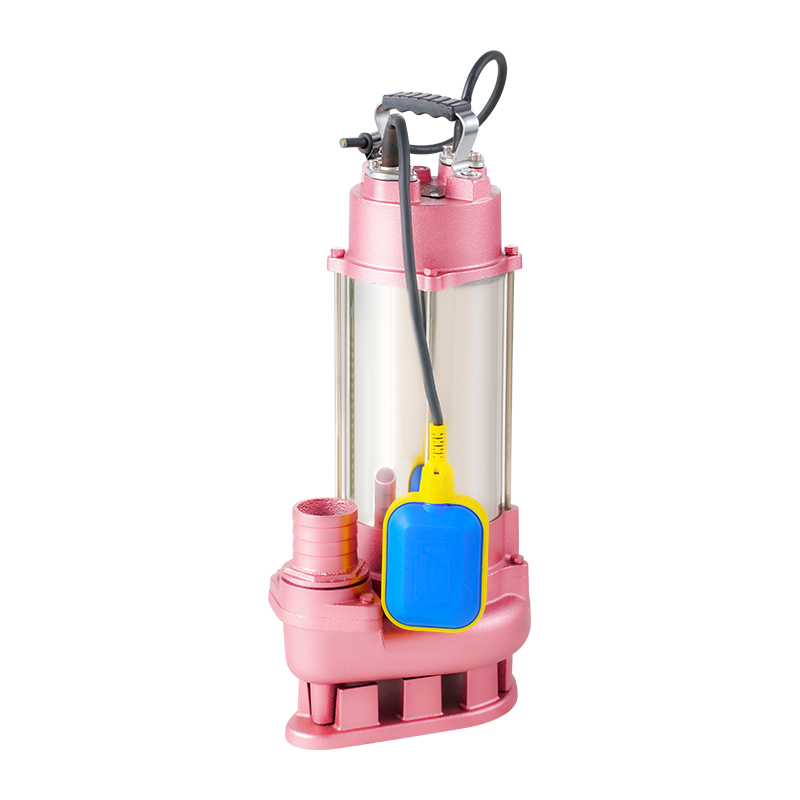
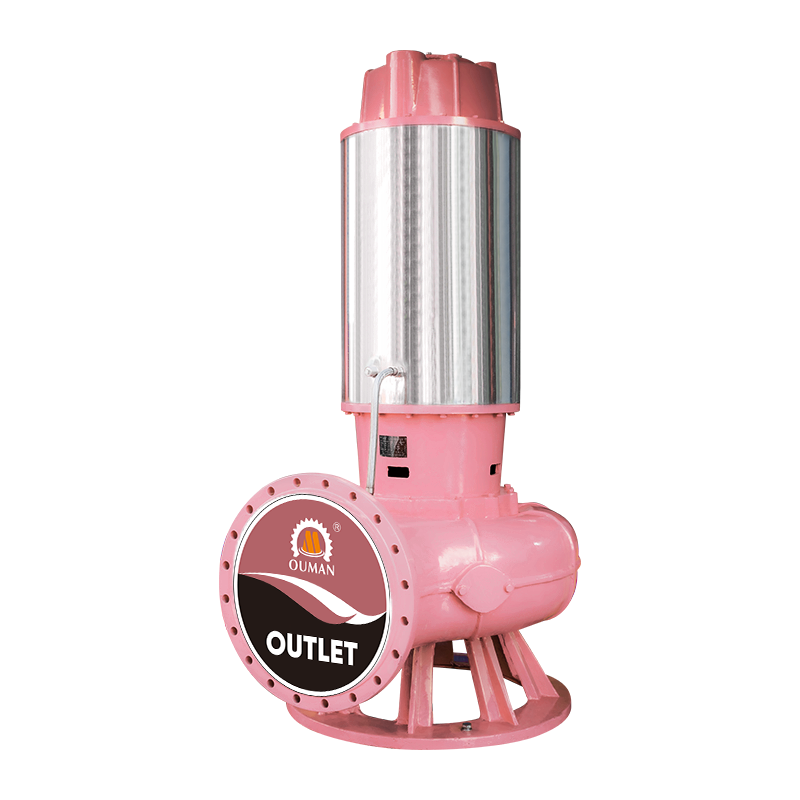
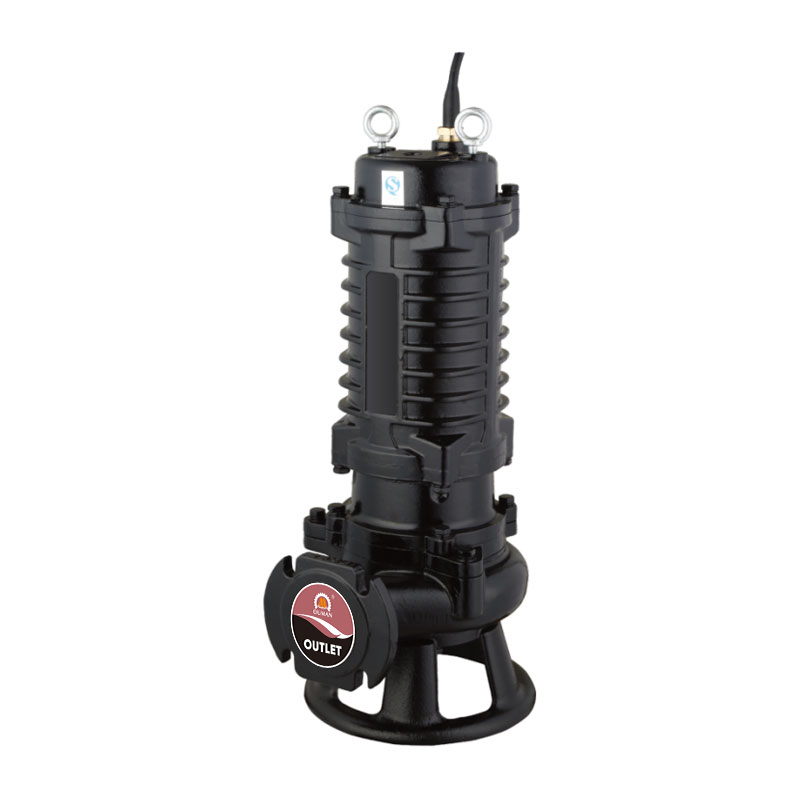
Different sewage pump designs address different material conditions. OUMAN's sewage pump range includes WQ/WQD submersible sewage pumps, WQK cutting sewage pumps, WQV sewage submersible electric pumps, and other models designed for wastewater applications. The WQK series, for example, uses an open single-blade impeller designed to cut long fibers and paper materials before they enter the pump flow path.
The appropriate Portable Waste Water Pump therefore depends on more than the word “wastewater.” The liquid composition, solid content, drainage location, and required pumping arrangement all need to be considered.
Submersible Construction Changes Installation
Many wastewater pumps operate directly inside the liquid. A submersible structure places the pumping unit close to the water source, which can be useful when the collection point is below ground level or located inside a pit or tank.
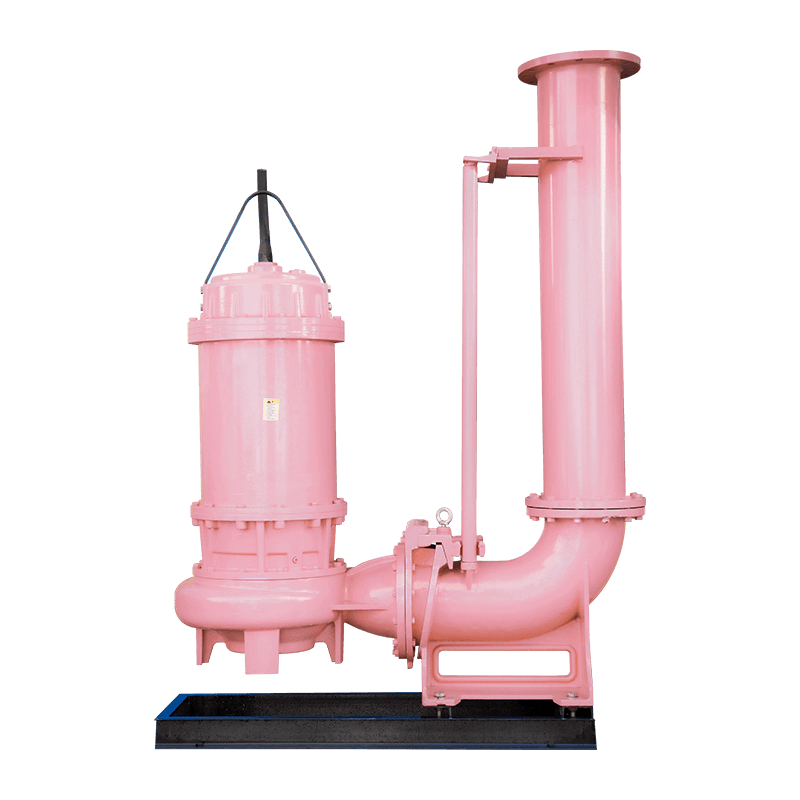
The WQ/WQD series from OUMAN is designed as a submersible sewage pump and is listed for applications including sewage systems, construction projects, hotels, mines, ponds, and industrial wastewater handling. Its product range also covers different flow, head, power, and pipe-size combinations.
For a Portable Waste Water Pump, submersible construction can make the equipment easier to position at temporary drainage points. The installation method, however, still needs to match the pump model and the actual working conditions.
Choosing Pump Capacity for the Job
Pump selection begins with the amount of water that needs to be moved and the distance or elevation involved. Flow rate describes how much liquid the pump can move over a given period, while head relates to the height and resistance the pump needs to overcome.
These two factors work together. A pump selected only according to flow may not provide the required lifting capability, while a pump selected without considering the actual drainage volume may not suit the task.
OUMAN's sewage pump series covers a broad range of specifications, allowing different models to address different pumping requirements. Its published product information includes models with different flow rates, heads, power ratings, and pipe sizes.
This makes specification matching an important part of sourcing a Portable Waste Water Pump for B2B applications.
Manufacturing Different Sewage Pump Configurations
Producing wastewater pumps requires coordination between the motor, pump body, impeller, sealing structure, electrical components, and connection interfaces. Different pumping conditions can require different internal arrangements.
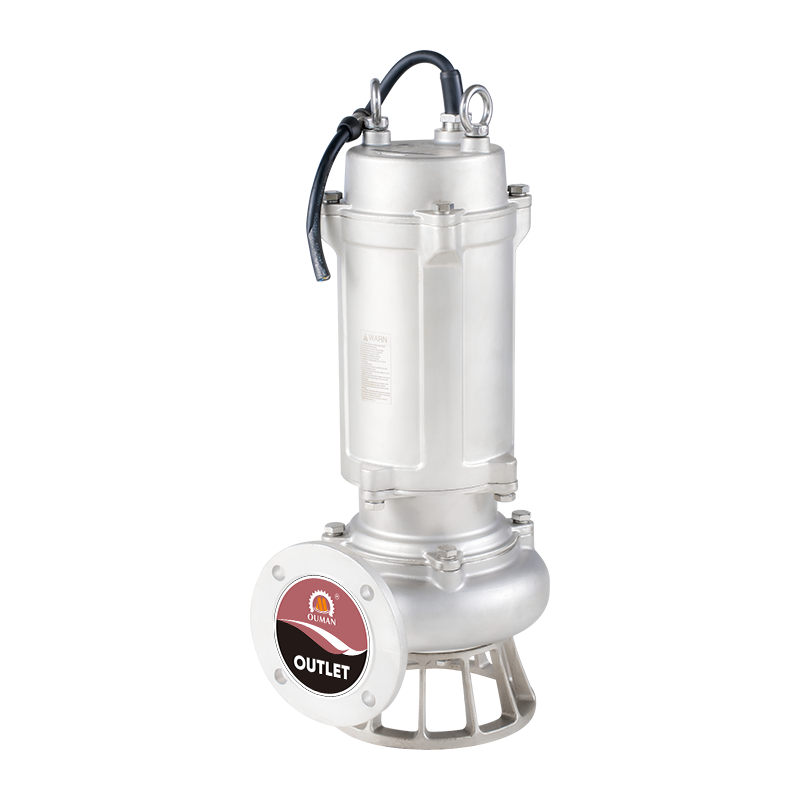
OUMAN Mechanical & Electrical Co., Ltd. manufactures sewage pump series and other water pump products, with a product range covering 20 major series and more than 3,000 specifications. Its sewage pump range includes submersible, cutting, stainless steel, and other configurations.
For wholesale orders, buyers can identify the liquid type, required flow, lifting conditions, pipe connection, and installation method. These details provide a practical basis for selecting the corresponding pump configuration.
What Should Buyers Check Before Ordering?
A Portable Waste Water Pump should be selected according to the actual drainage task rather than its name alone. Buyers should confirm whether the liquid contains solid particles, whether submersible operation is required, how much water needs to be moved, and what lifting conditions are involved.
Construction sites, commercial facilities, industrial areas, and temporary drainage locations can have very different requirements. Matching the pump structure and specifications to those conditions helps create a more suitable pumping arrangement.
For wastewater handling, portability is only one part of the equation. Pump construction, flow capacity, head, impeller design, and installation method all contribute to how the equipment fits a particular drainage application. A Portable Wastewater Pump is therefore understood as part of a complete wastewater transfer setup rather than as a single-purpose machine.