
 Eng
Eng  English
 русский
 عربى
عربىThe global ejector pump industry is experiencing steady growth as property owners and facility managers seek reliable solutions for moving wastewater from below-grade locations to sewer lines. Market analysis indicates the ejector pump sector is projected to reach approximately $3.6 billion by 2033, growing at a compound annual growth rate of around 5.8 percent during the forecast period. This expansion reflects the essential role these pumping systems play in enabling finished basements, commercial kitchens, and industrial facilities where gravity drainage is not possible.
What Constitutes the Basic Foundation of Ejector Pump Technology?
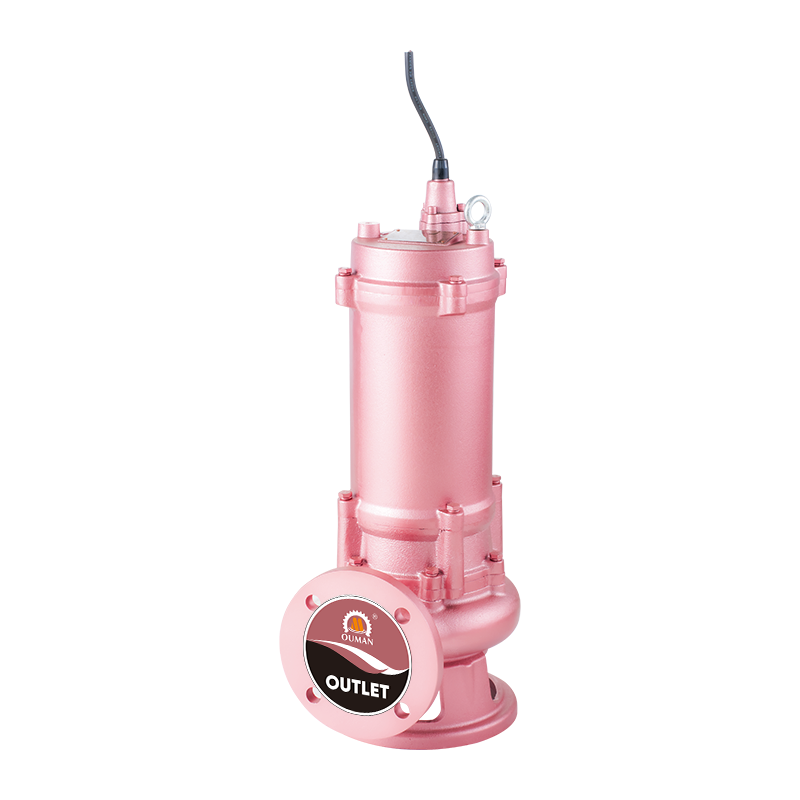
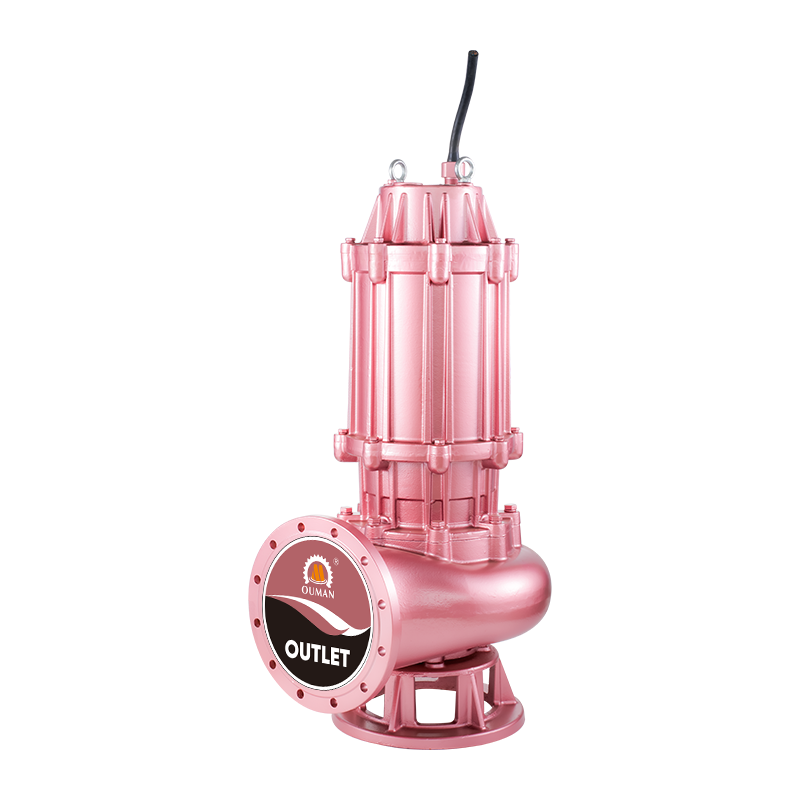
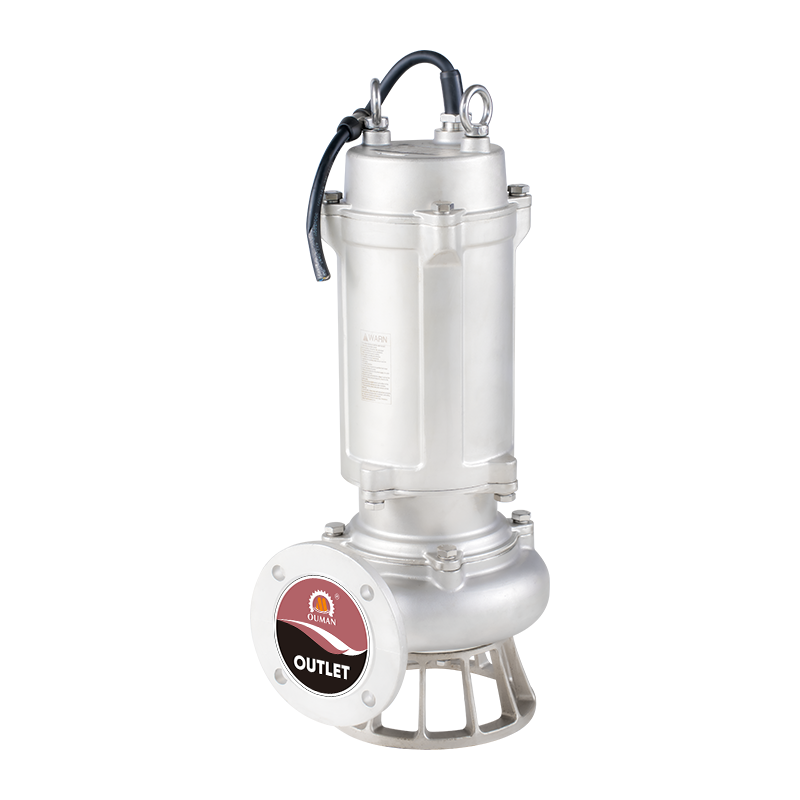
An ejector pump, commonly referred to as a sewage ejector pump, is a centrifugal pumping system designed to transport wastewater containing solid materials from below-grade plumbing fixtures to higher elevation sewer lines or septic systems. The fundamental distinction between ejector pumps and other wastewater pumps lies in their ability to handle solid wastes from toilets, making them essential for basement bathrooms and other installations below the main sewer line. A typical ejector pump system includes a basin or sump that collects wastewater, the pump unit itself with an impeller designed to pass solids, and a float switch mechanism that activates the pump when wastewater reaches a predetermined level. The pump basin for an ejector pump system is typically sealed with a gasketed lid to contain odors and prevent sewer gas escape into living spaces. The discharge pipe from an ejector pump system must include a check valve to prevent backflow of wastewater into the basin when the pump stops operating.
What Structural Design Features Define Effective Ejector Pumps?
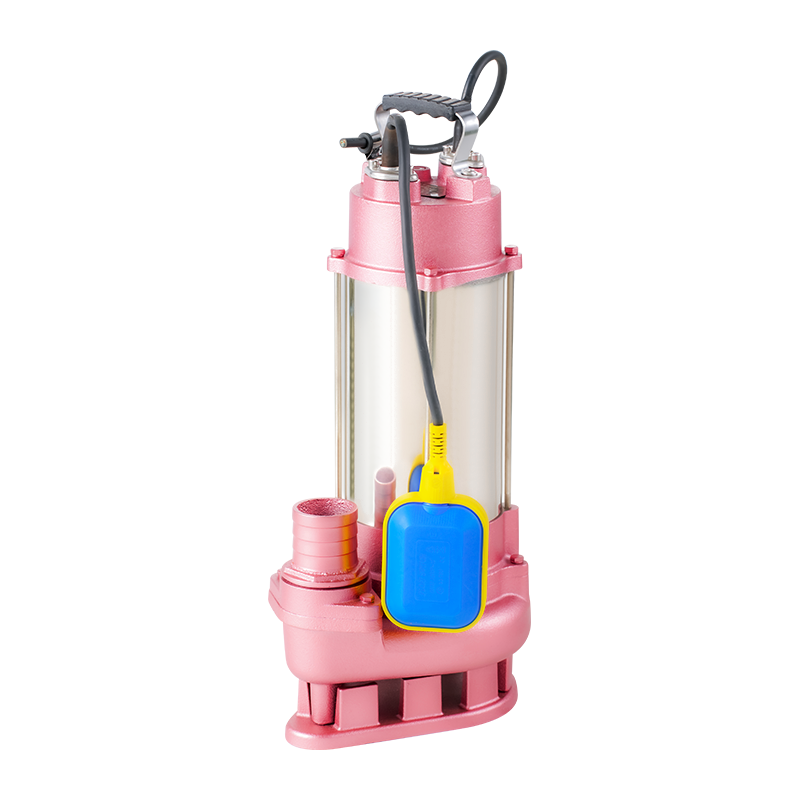
The structural design of ejector pumps centers on components capable of handling solid materials while maintaining reliable operation over many years of intermittent service. The impeller represents the critical element in ejector pump construction, with vortex impeller designs being particularly common as they create a swirling action that draws wastewater through the pump while small contact between solids and the rotating element. Motor construction in ejector pump units features sealed designs that prevent moisture ingress, with thermal overload protection that shuts down the pump if operating temperatures become excessive. Float switch configurations for ejector pump activation include tethered floats that swing in a wide arc, vertical switches that move linearly, and electronic pressure sensors that detect rising liquid levels without moving parts.
What Application Areas Depend on Reliable Ejector Pump Performance?
Ejector pump applications span diverse settings where wastewater must be moved against gravity to reach municipal sewers or septic systems. Residential applications represent the largest market segment for ejector pump installations, enabling finished basements with bathrooms, laundry rooms, and wet bars that would otherwise be impossible where sewer lines exit above floor level. Commercial applications for ejector pump systems include restaurants with basement prep areas, office buildings with below-grade restrooms, and retail spaces where plumbing fixtures must be located below main sewer elevation. Industrial facilities utilize ejector pump systems for process wastewater collection from sumps and pits where gravity drainage to treatment systems is not feasible. Each ejector pump application demands specific configurations with variations in horsepower, basin size, and solid handling capability matched to expected wastewater volume and content.
The ejector pump market appears positioned for continued growth as basement finishing trends continue and properties in aging urban areas require wastewater solutions. These essential systems will remain fundamental to utilizing below-grade spaces in homes and businesses where connection to gravity sewers is impossible. As residential construction continues emphasizing finished basements and lower-level living spaces, ejector pump installations will maintain their role as critical components of modern plumbing systems.
Introducing the JET Stainless Steel Jet Pump from OUMAN Mechanical & Electrical Co., Ltd.—the superb solution for home water supply and garden watering. This self-priming pump is designed to draw water from shallow wells or tanks with ease, providing steady pressure for your household needs. The stainless steel construction not only looks modern but also guarantees long-term durability against the elements. Compact, quiet, and energy-efficient, the JET Stainless Steel Jet Pump delivers premium quality and peace of mind for your daily water needs.